Tag Archives: Ain

France: Exploring the Ain back waters (Corveissiat, Thoirette and Barrage de Vouglans)

I really enjoy just driving somewhere and exploring what I find without doing too much research before I go. Maybe it all started when my daughter was small and refused to take her naps at home but would happily sleep for an hour or two if placed in her car seat. At least that was how we came across Thoirette more than 20 years ago. For some reason, we remembered the name of this tiny community, maybe because it is similar to Thoiry. I remember it was a grey and rainy day, and apart from having lunch we were not really tempted to leave the car and go for a walk. Not that we would have known where to walk anyway. This was before we had a GPS at hand in our car, and long before we had access to tourist information and maps on our smartphones. What we did find was a restaurant serving up something we’d never seen before, new as we were to France and continental European cuisine. On the menu was something called “Fritures”, which turned out to be deep-fried tiny fish. The restaurant was packed with locals all enjoying this “Fritures” dish, and we asked in our (at the time) very broken French to have the same as everybody else. It was delicious, our little daughter also really enjoyed stuffing small fish into her mouth, and afterward, we talked about going back for years. Indeed, a lot of years passed, and only in the last couple of years did we find the time to go back and start to really explore the area. And, only last year did we find the time to test the restaurant again. In the meantime, the place had been sold, changed its name, and transformed into a cheap fast-food establishment which (luckily) went bankrupt, before being taken over by somebody treasuring local ingredients and proper cuisine. It has now re-adopted its original name and is focusing on local territory food and cuisine. “Fritures” is still on the menu and if you can I will strongly recommend that you to try this special dish.

You can check the menu and opening times for Le Pont in Thoirette here or visit them on Facebook. For weekends I strongly recommend that you reserve a table in advance. We were lucky to arrive early, and we only got a table in the bar area (which is still cool, because you get to see part of the “inner workings” of the place); those arriving just minutes after us were not that lucky.

The area around Thoirette offers plenty to see and do. Walking to the Grottes at Corveissiat is a nice little walk. This cave is most of the time closed to the public to protect the bats living there. Since caves are ideal places for bats to go to sleep during the day, it is also the perfect place for them to stay out of reach of their enemies. To save on energy, they also need a slightly colder, but frost-free environment with high humidity. Personally, I am terrified of bats and wouldn’t have entered the cave even if I was allowed, but I spoke to some locals who said the cave is open on Wednesday afternoons, however, I have not found any information that confirms this.
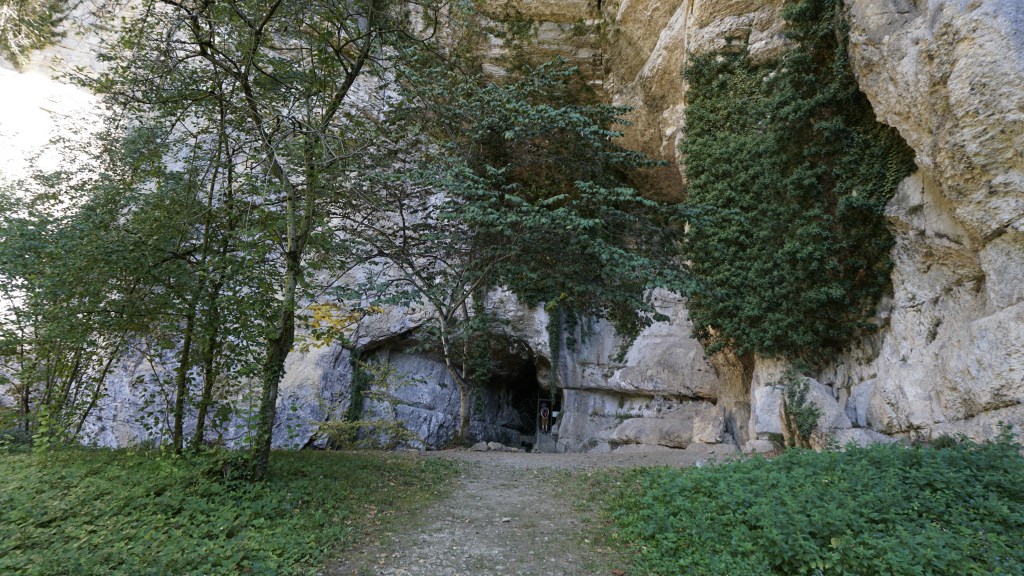
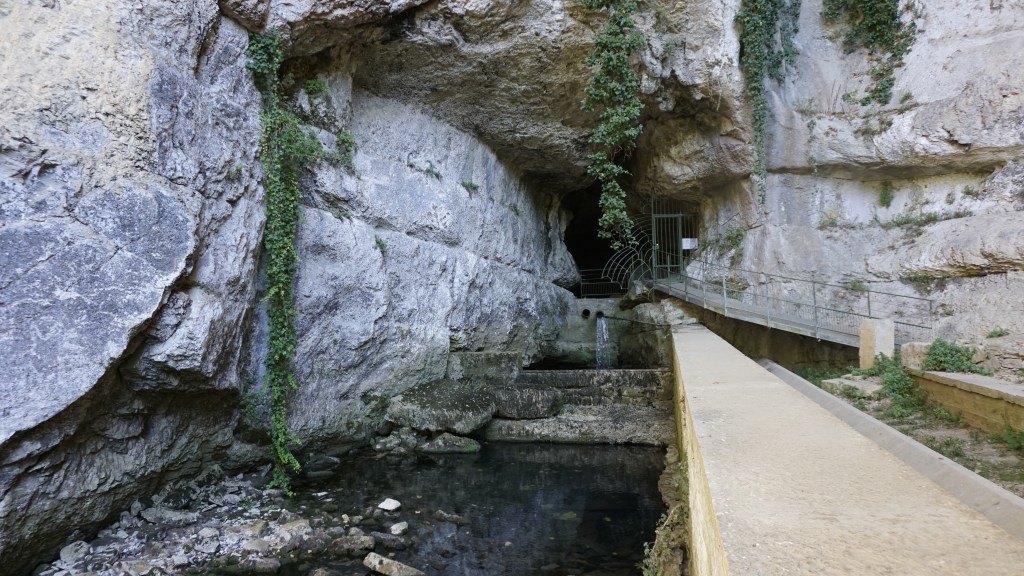
There is a prepared trail starting from the car park which will take you to the cave and further down to the river where you pass some old mills, an old washhouse, drinking water networks, and lots of trees with moss on their trunks due to the high humidity. It will take you around 15-20 minutes to walk all the way down, and 20-25 minutes to walk back up again. Even if you won’t be allowed to visit the bats this trail pretty much makes up for it and children will love all the discoveries along the path.

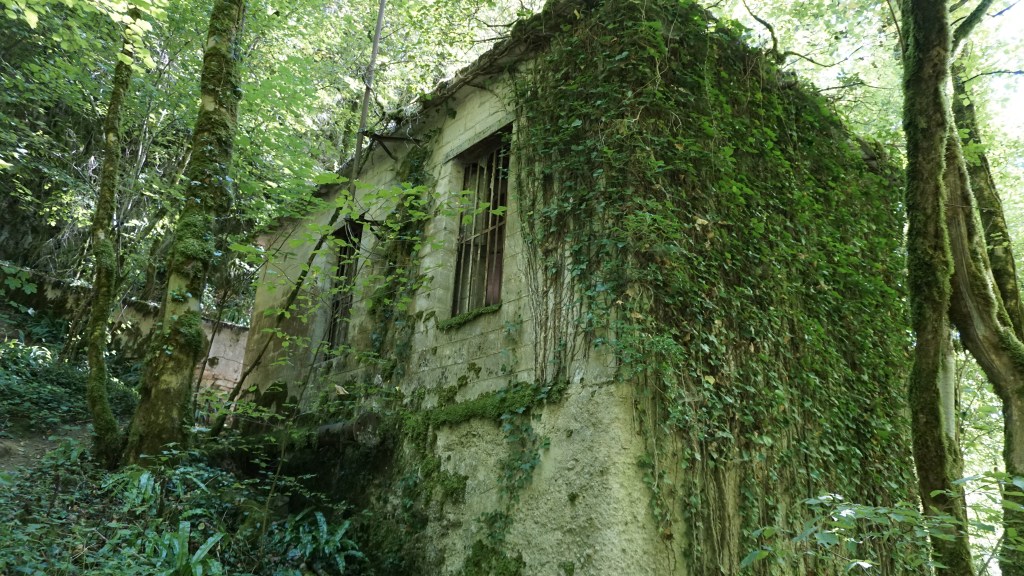
Another relatively short but pleasant walk can be found if you drive just a few hundred meters to Saint-Maurice-d’Échazeaux.

Outside this little hamlet of houses, you will find a newly restored chapel with an incredible panoramic view.
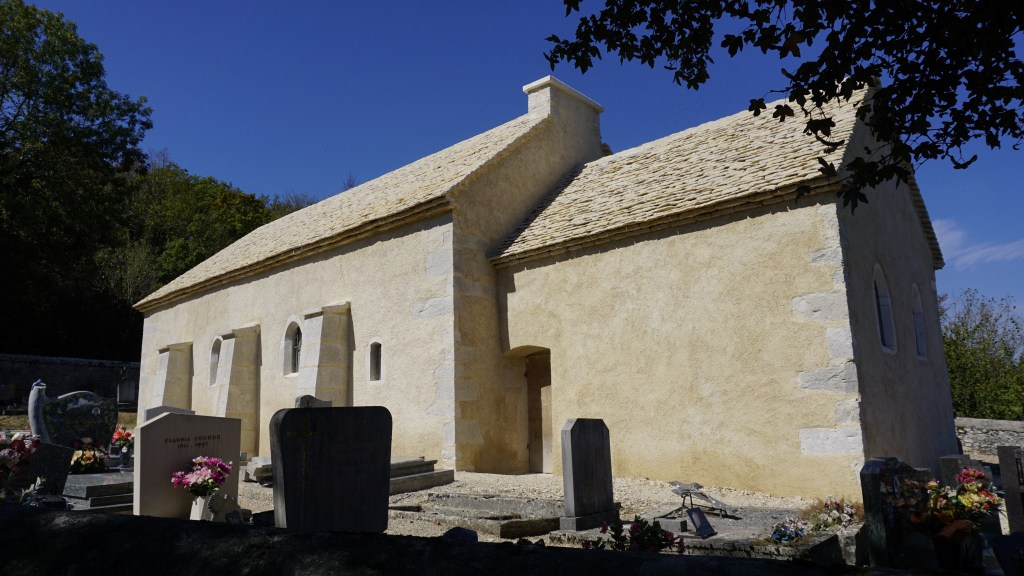
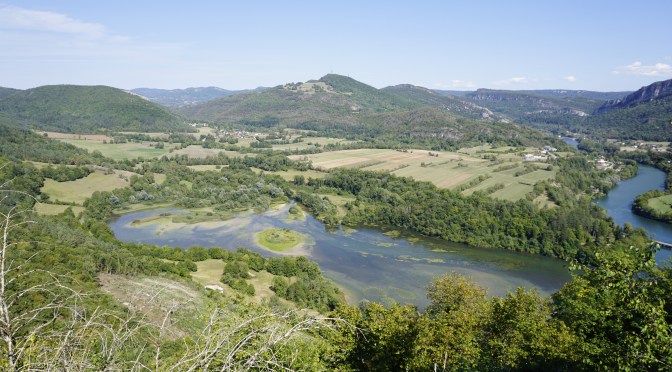
We parked our car at the entrance of this hamlet and enjoyed looking at the beautiful houses and gardens. You’ll easily find the Route de la Chapelle which will take you all the way to the chapel. If you don’t have time for a walk, I still recommend you take this detour (parking can be found next to the chapel). The chapel is built on top of a 250-meter-high cliff, and you will have an amazing view overlooking the river L`Ain, La Valouse, and the Lake of Conflans. For an even better view, it is advisable to follow the footpath on the right side when facing the cliff. This path will lead you to an even better viewpoint where you can admire the Conflans castle and the Bugey mountains. If you don’t want to take the same route back, there is a footpath through the local woods that will take you back to the village.

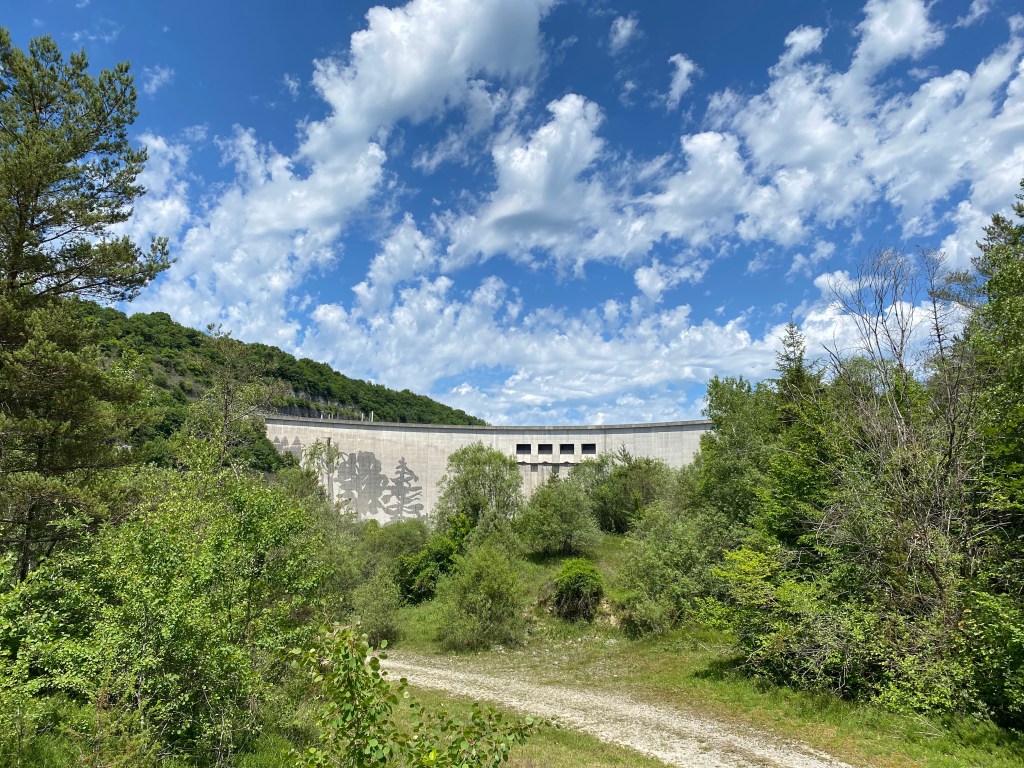
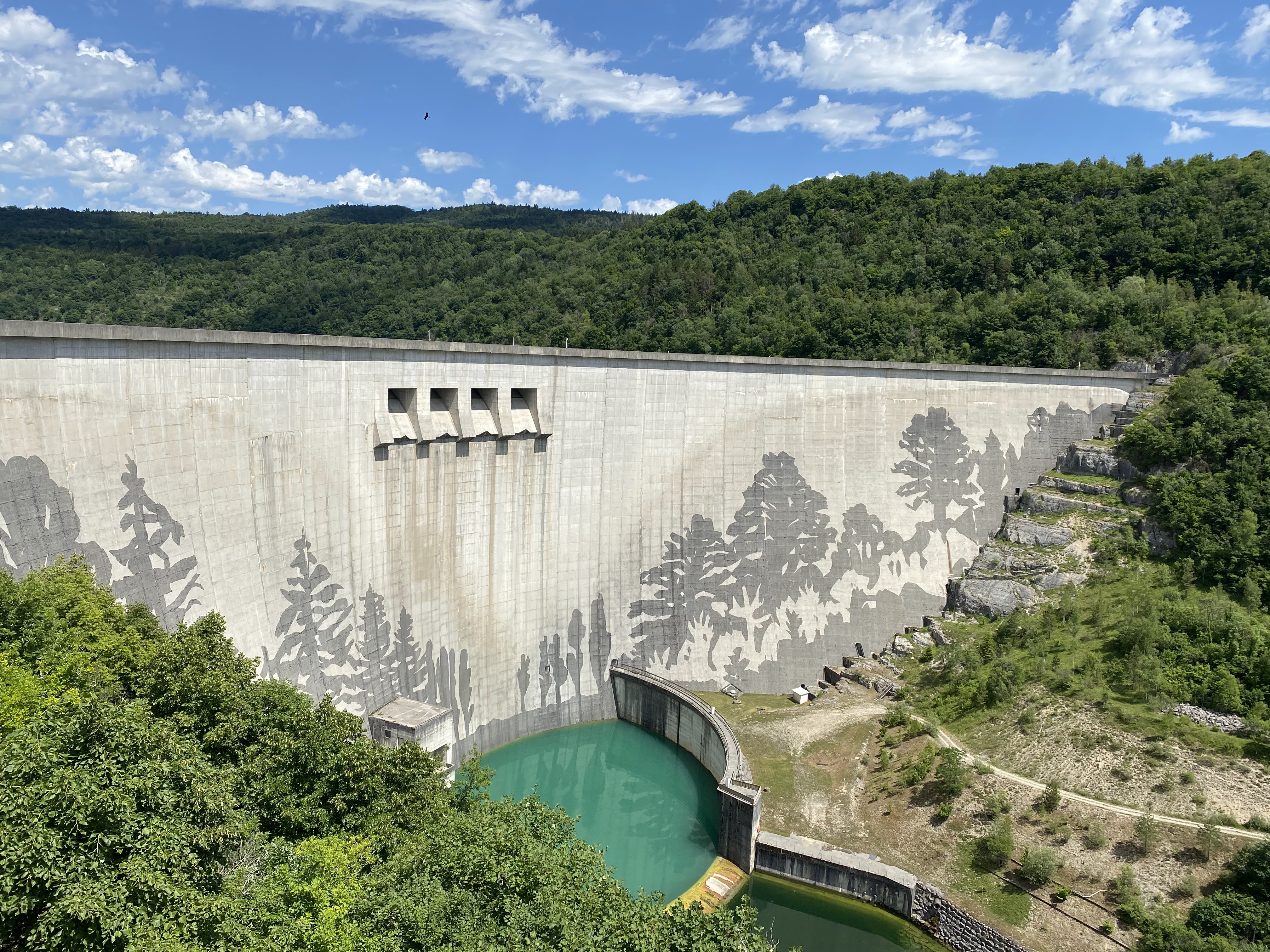
If you still have time and like to explore more, I think you should drive up to the Barrage de Vouglans. With the recent addition of a sand-blown fresco (!) on its front wall, it is truly a sight to behold.  When we visited, there was no water passing so I can only imagine how impressive it will be to visit on a day when they actually produce electricity. On-site you’ll find lots of information on the building of the dam (both in French and English). You can also read about the artist who did the mural sand-blasted painting. There is also a viewpoint on the other side of the river that you can access by car, or if you are sporty, walk up from the village below.

These are just my suggestions; there is much more to see and do, but I am sure these will keep you busy for a day.

Feel free to share with your friends!
France: Lac Genin, the lake to visit whatever the time of the year!

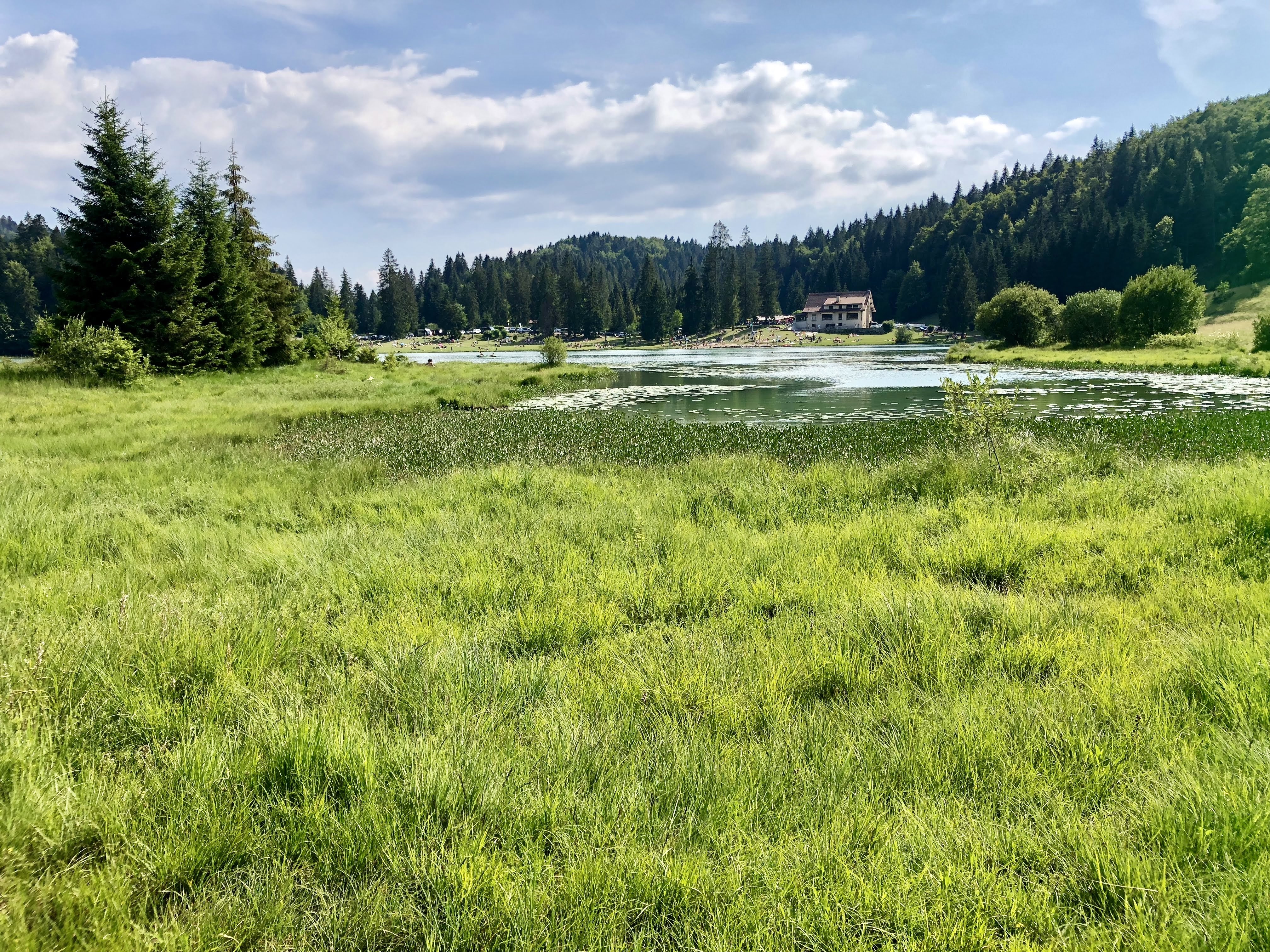
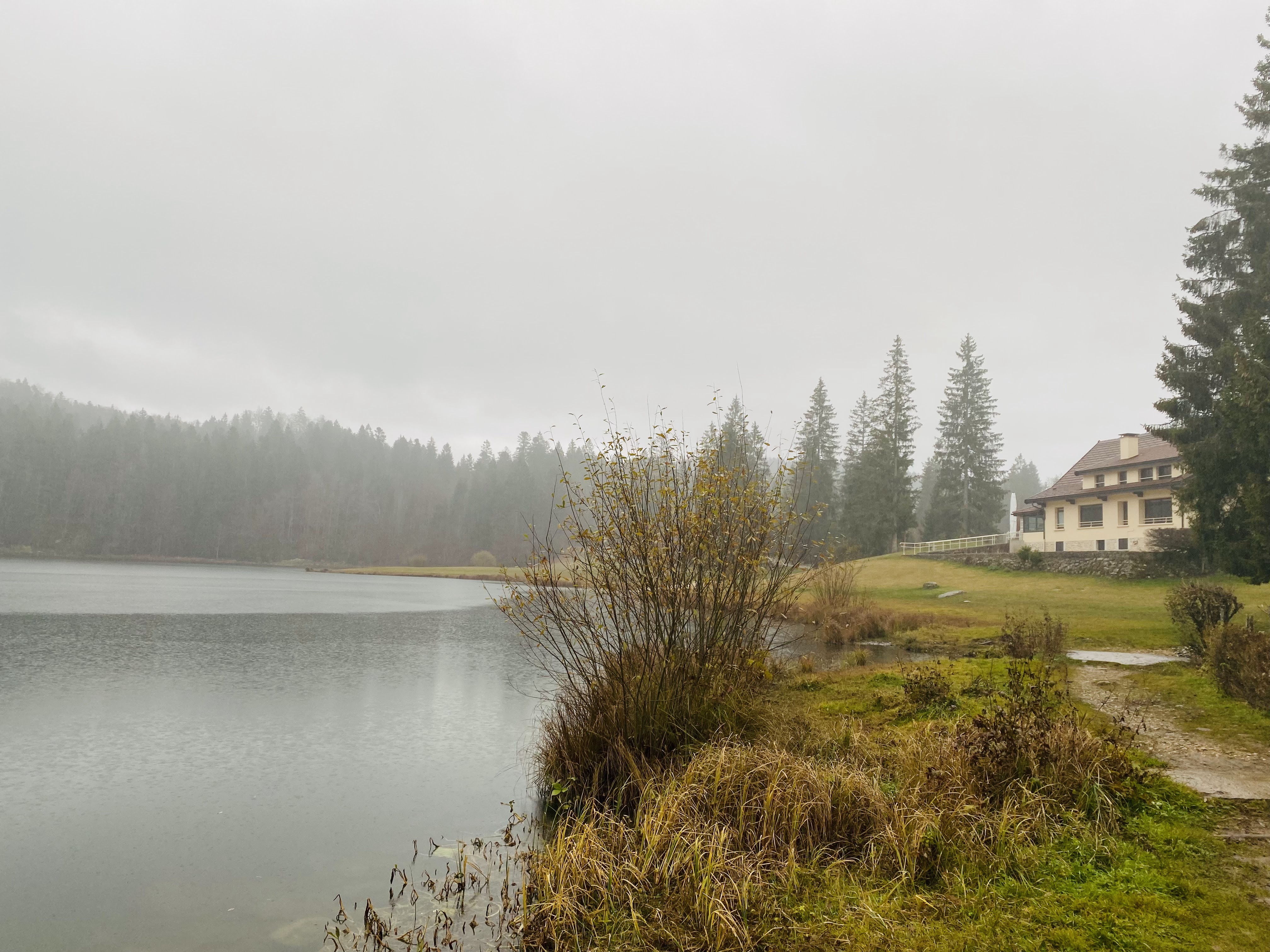
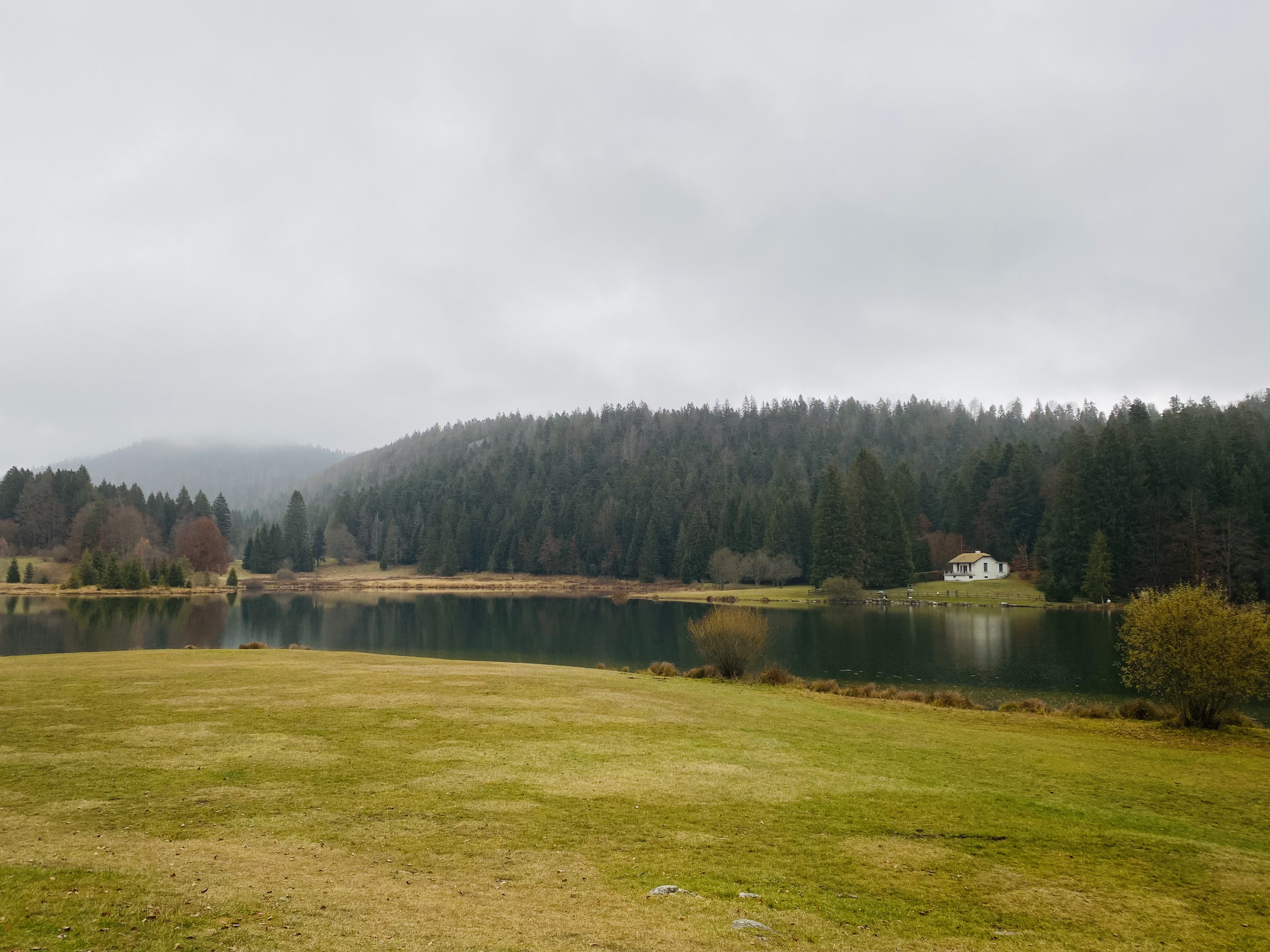
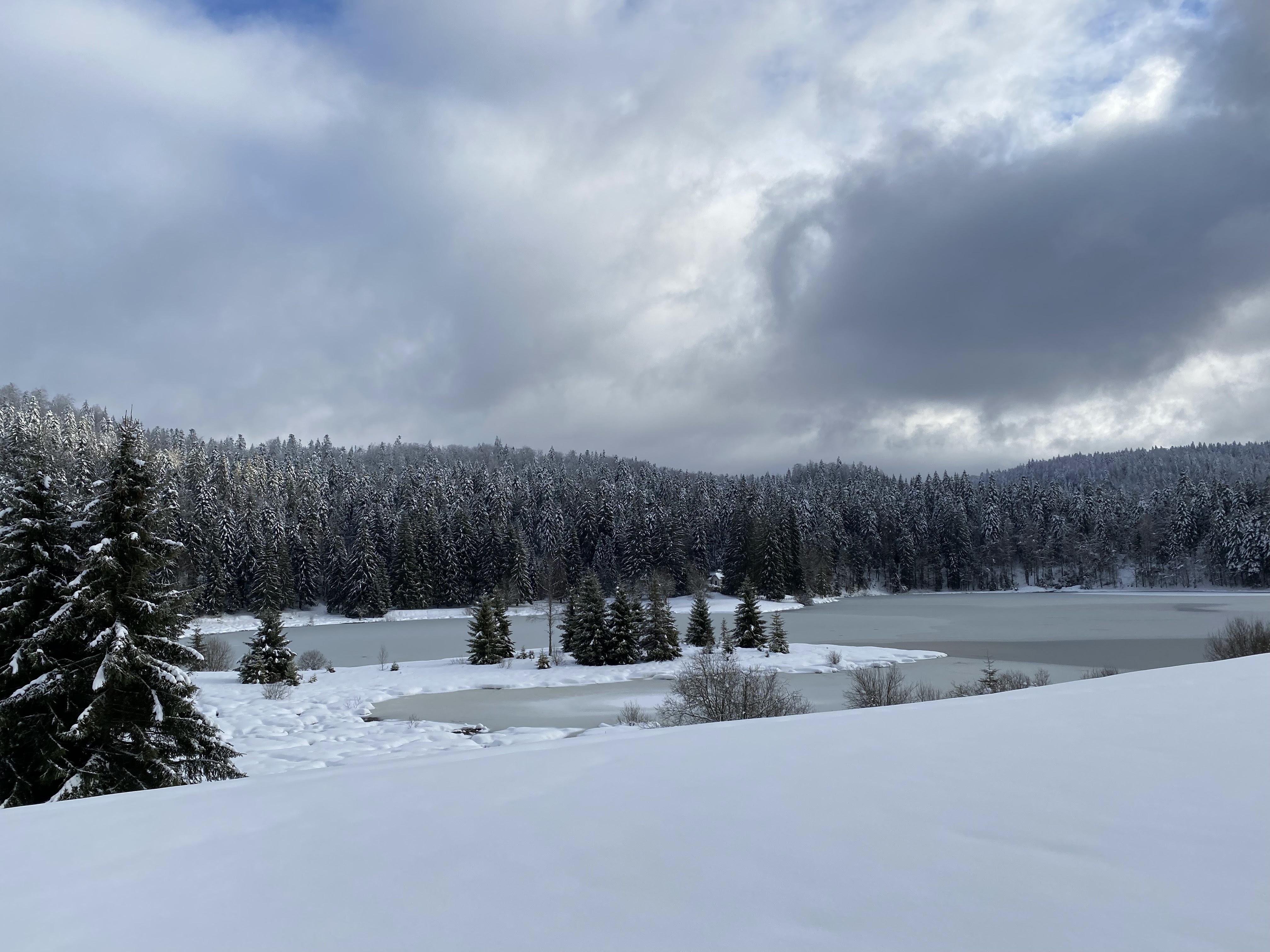
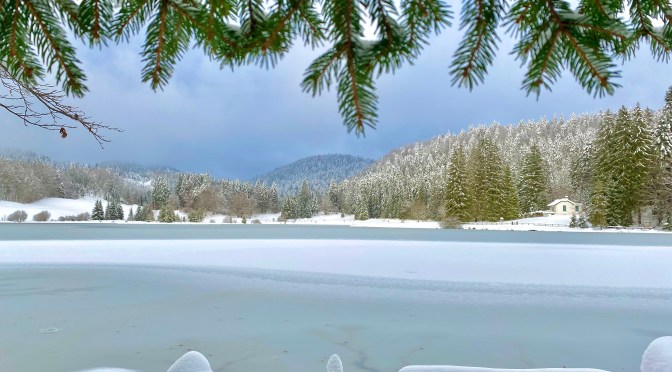
If you have not visited Lake Genin, you should put it on your to-do list. Lake Genin is situated between Bellegarde-sur- Valserine and Nantua. This lake is truly a little gem that I wish someone would have told me about sooner. It is easily accessible from Pays de Gex and Geneva if you have access to a car. It is one of the places that you can visit no matter what season and whatever the weather. In the spring and autumn, it is the perfect place for walking. In the summer you swim in the lake. In the winter you can ice skate, sledge, or go snowshoeing.

I discovered Lac Genin for the first time a few years ago on a nice and hot summer day. I was equipped with a towel and determent to have a swim, even if the water would be really cold. The water was not that cold, and from what I have since learned the normal temperature is around 20 degrees Celsius in the summer.

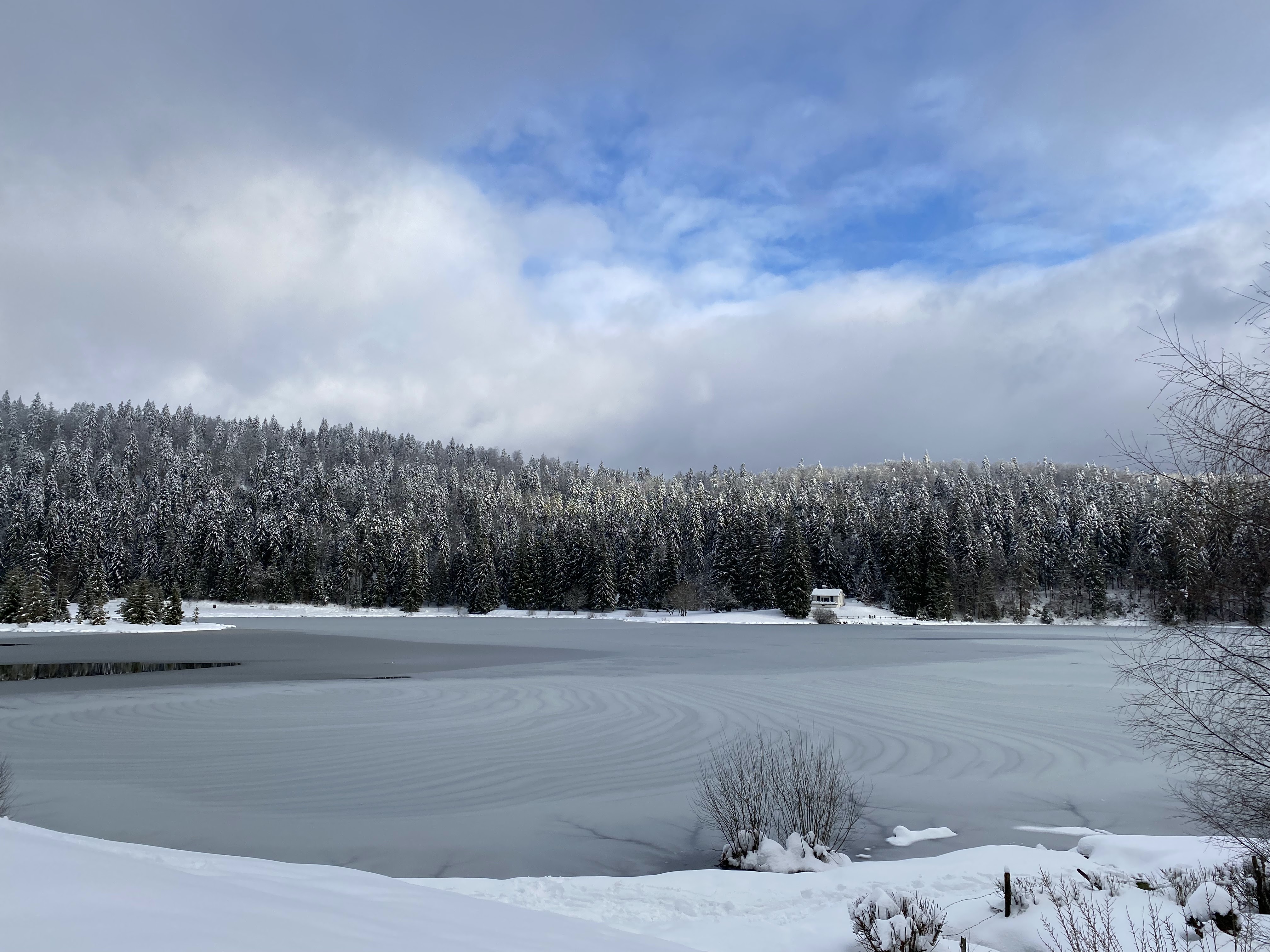
The lake itself is not very big.  With a length of 380 meters and a width of 330, its size is probably the reason for the nice water temperature in the summer even if the lake gets frozen in the winter.

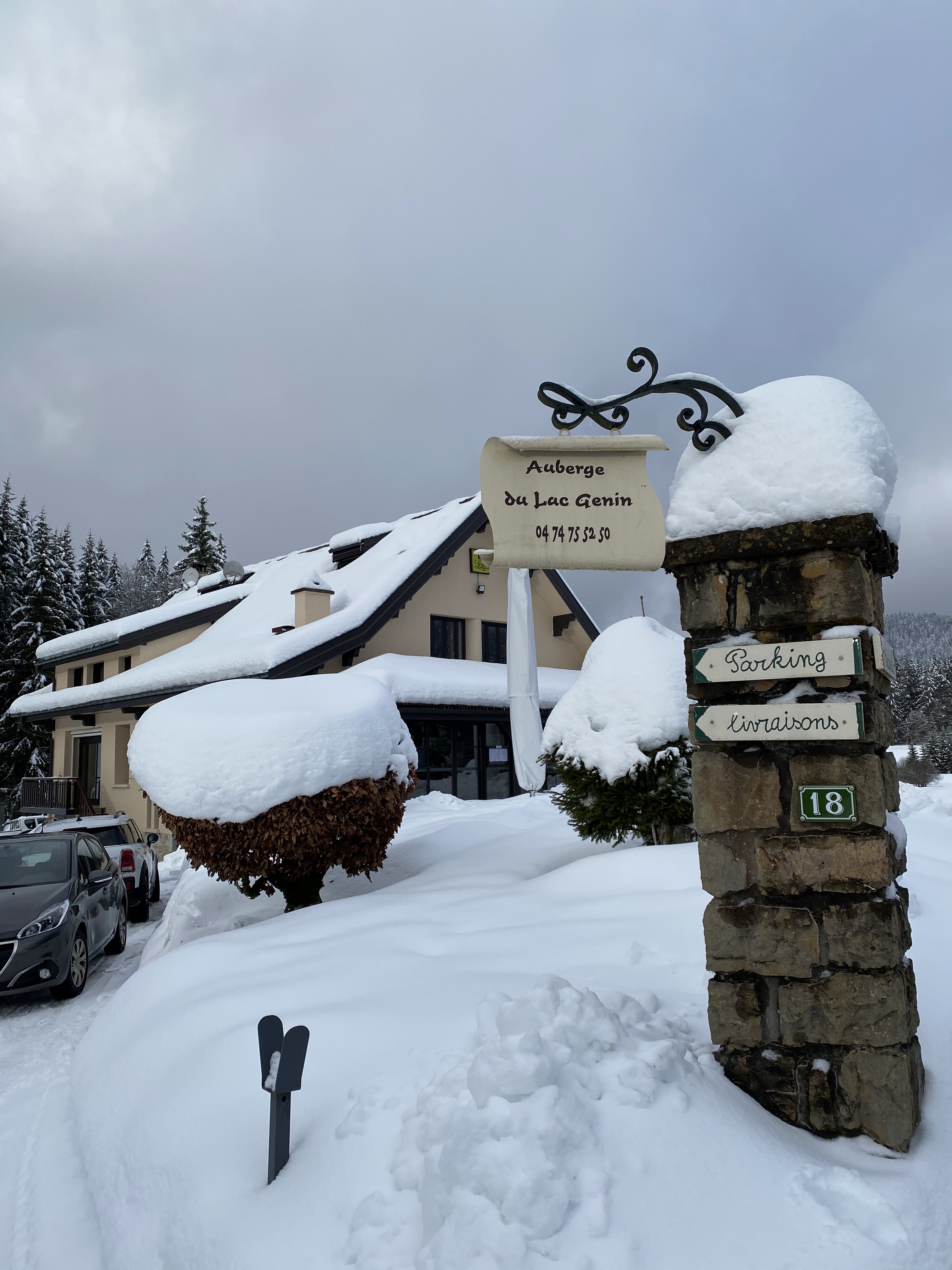
On the nice summer days, you will not be the only one there. The green grass on one side will be full of colourful bathing towels, and both children and adults will be enjoying the sun and the water. In the summer season, you will normally find lifeguards observing and making sure that everybody is safe. You will find a playground, toilets, a snack bar, a restaurant, and a hotel. I have not tested the restaurant myself, but I have heard that the people come from far away to eat there. The specialities are barbeques and local trout.

For an adult to walk around the lake it will take you around 25-30 minutes if you take it relatively slow.

If you think 30 minutes around the lake is not enough exercise and you are not tempted by a swim in the lake, you have the possibility to walk the 11,5 kilometres from Lac Genin to Oyonnax. This walk should take you around 4-4.30 hours to complete. For map and walking instructions in French, click here.

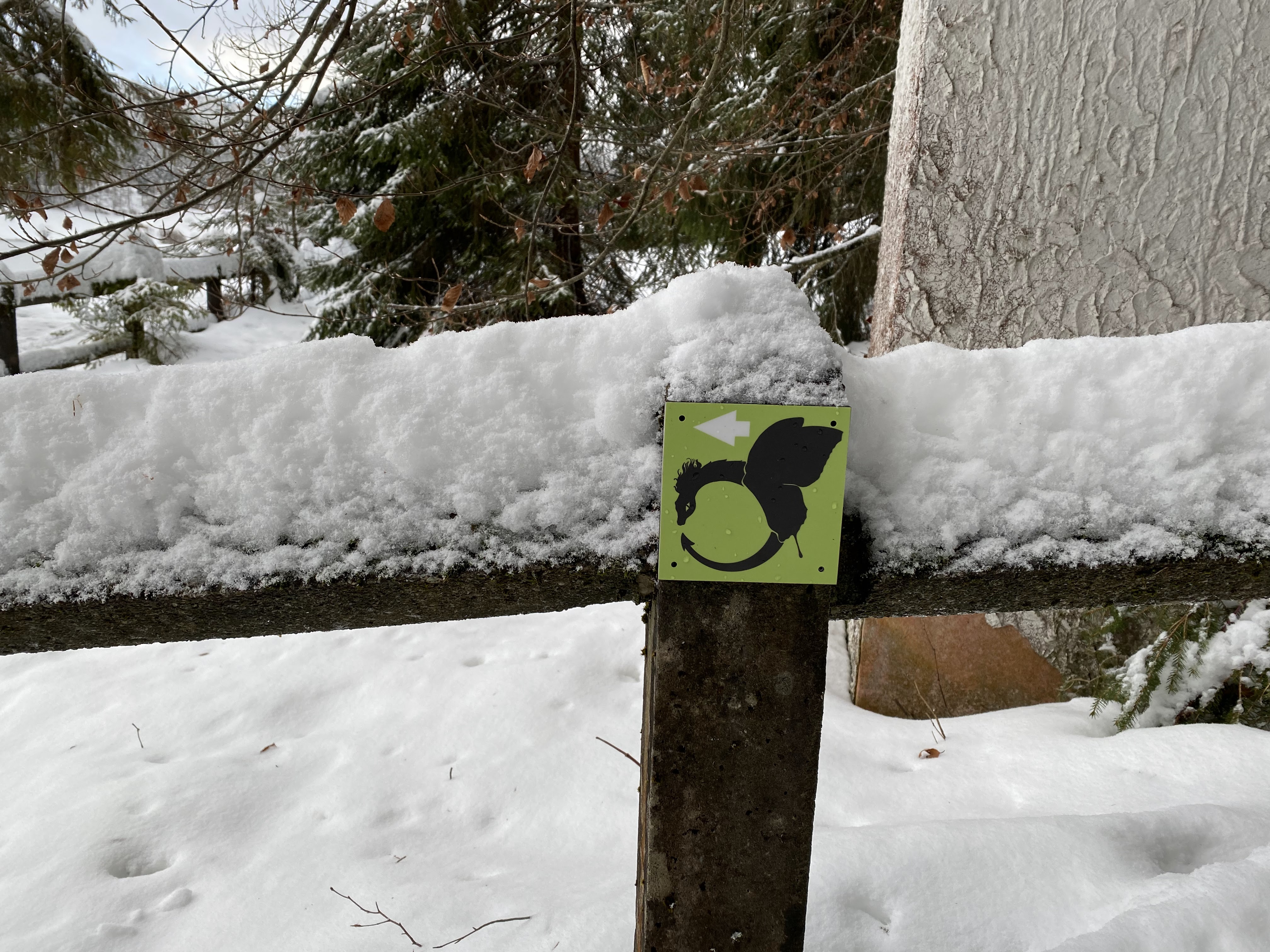
If you need a walk that is a little shorter, but still a little longer than just around the lake you have the option to do De La Vouivre, or in English, the Wyvern walk. This walk is 3,5 kilometres and takes around 1.30 to 2 hours to complete.

The Wyvern is a two-legged dragon with a barbed tail. The possibility to get a glimpse of this monster should be a good motivator for both children and adults.

The Patrimones de Ain have put together an activity book for children in French that can be downloaded. You will also find a map of the walk there.

If you visit Lake Genin in the autumn, you will see that the forest there must be the perfect place to go mushroom hunting. This year I was unprepared, next year I will be ready in September with my basket and mushroom guide.

Lake Genin is often referred to as “Little Canada”. The reason for this is its location in a clearing surrounded by pine forest and the harsh weather in the winter season.  

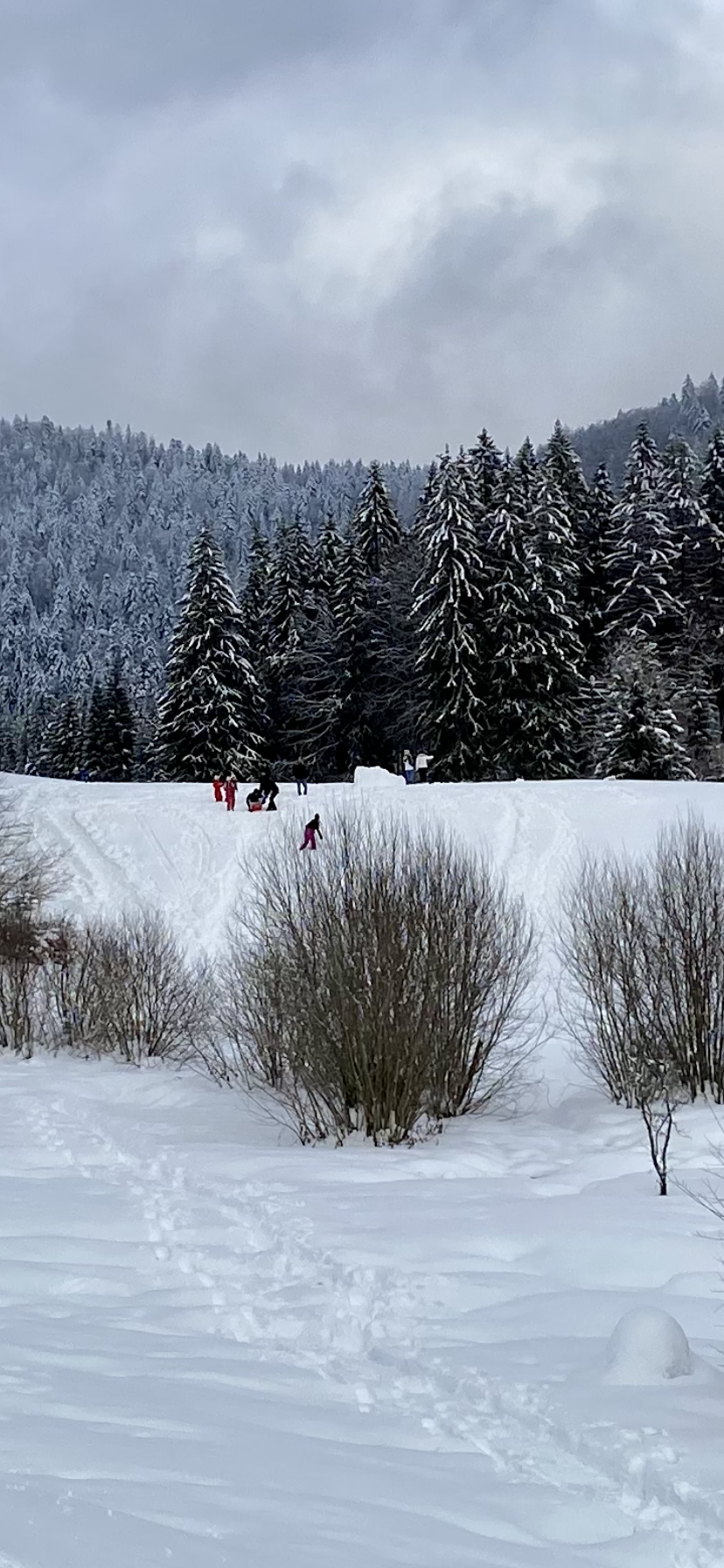
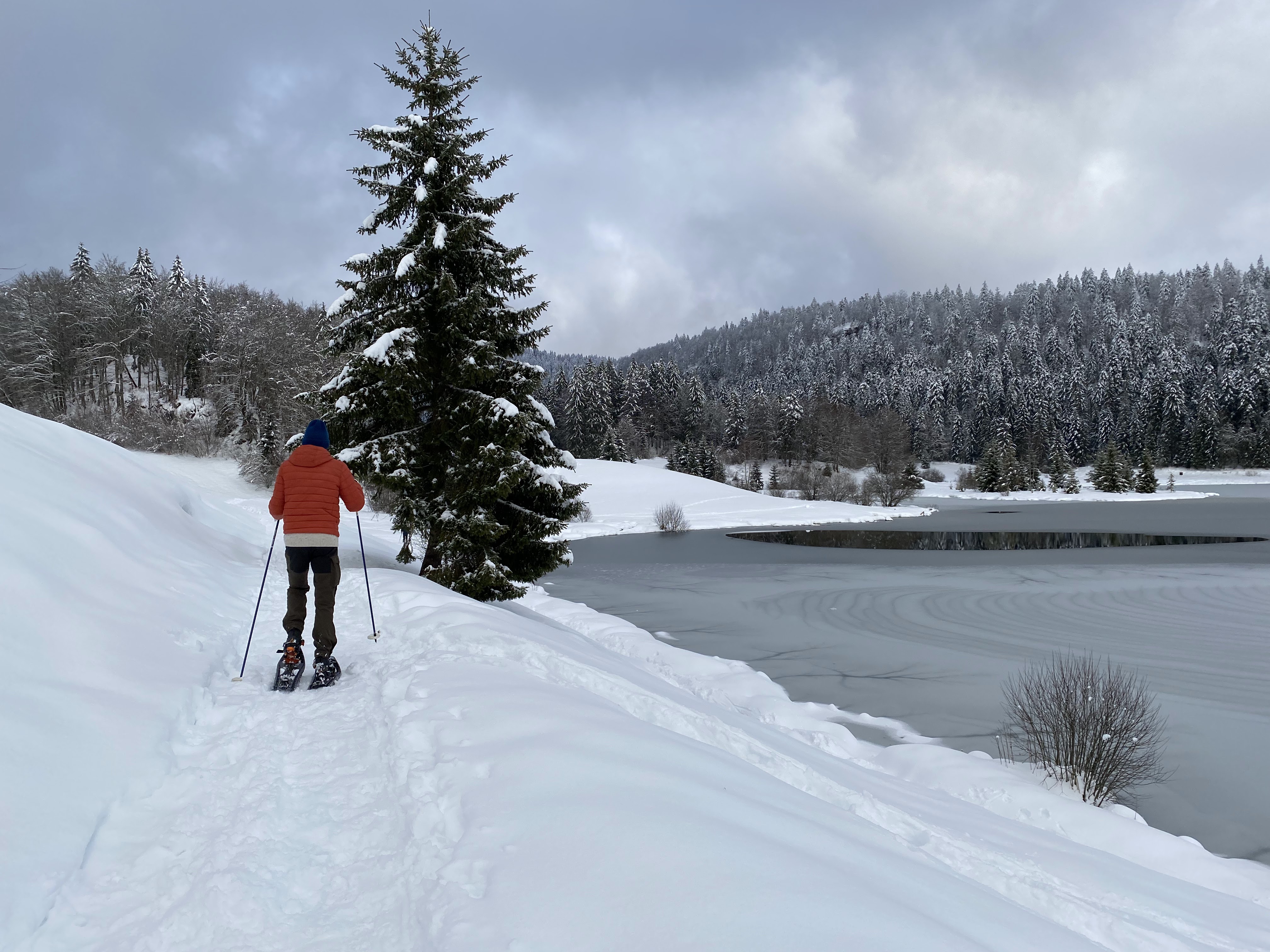
During the winter months and on those cold and crisp mornings it is therefore the perfect starting point for snowshoeing. There should be marked trails, but I did not see specific snowshoe trails when I was there yesterday. I only saw the normal hiking trails, but I think they will work for snowshoes to. We followed the trails made by other snowshoers which guided us around the quiet and peaceful landscape. There were lots of kids (and adults) out enjoying sledging in the slopes around the lake. When the lake is frozen it is possible to enjoy ice skating, but before you do so, always check with the hotel if the ice is thick enough and if it is safe to walk on the ice.

For those of you not equipped with snowshoes, sledges, or ice skates the hotel has a renting-out service. On the nice and sunny winter days, you should check availability before you go so that you are not disappointed if it is all rented out.

There’s adventure to found so close to where we live. Lake Genin is just one of these places that are waiting for you to explore.

Feel free to share!

France: Art en Campagne – A cross border art walking trail

If you are lucky enough to be in Geneva or neighbouring France between the 26th of June and 5th September, you have to experience the Art en Campagne.

The 4,8-kilometre circular trail takes you across the fields between Ornex in France and Collex-Bossy in Switzerland. For a walk that already offers a beautiful view of Mont Blanc on one side and the more relaxed and greener Jura Mountain on the other side, the art installations just take the walking experience to a new level.

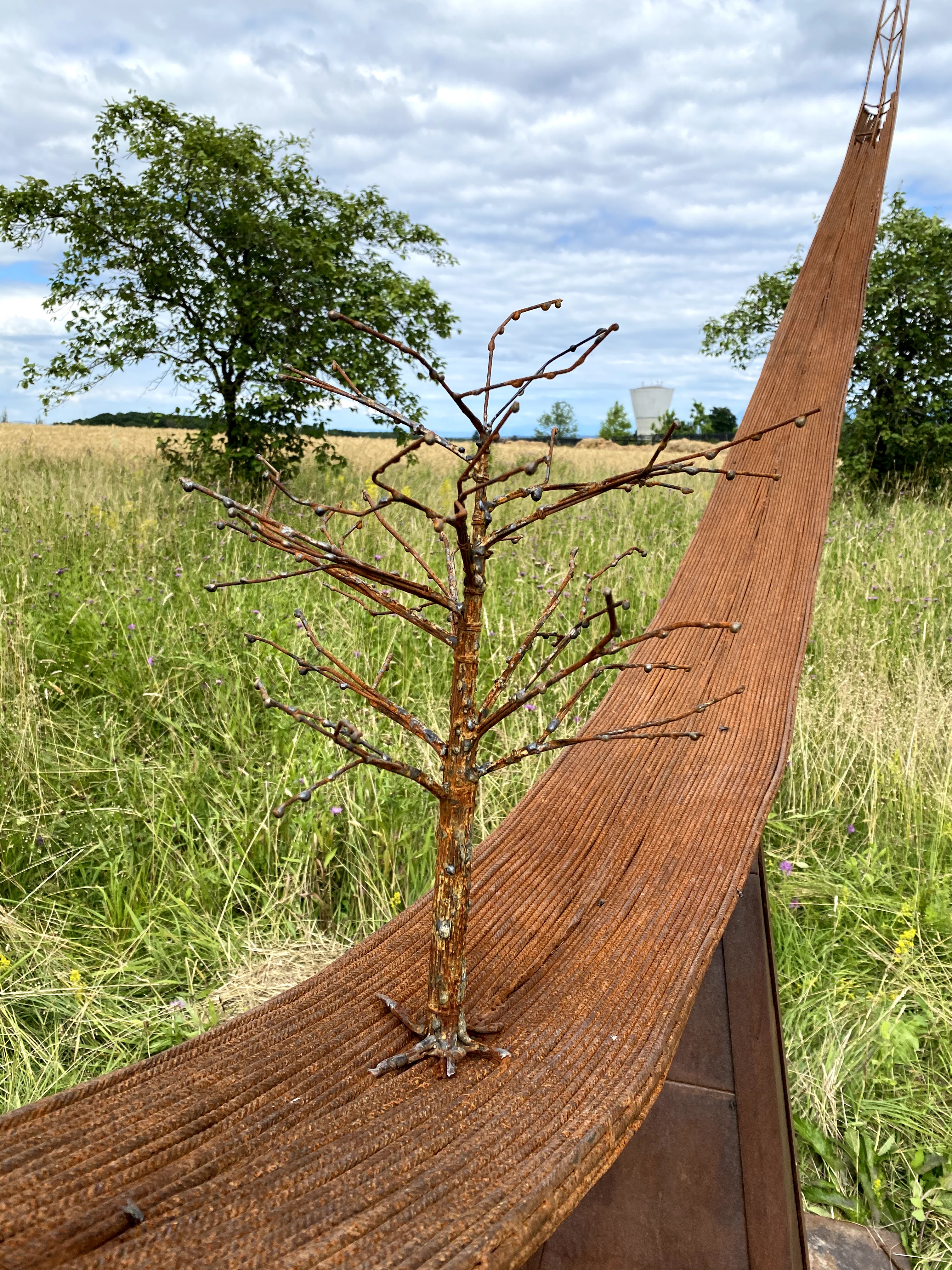
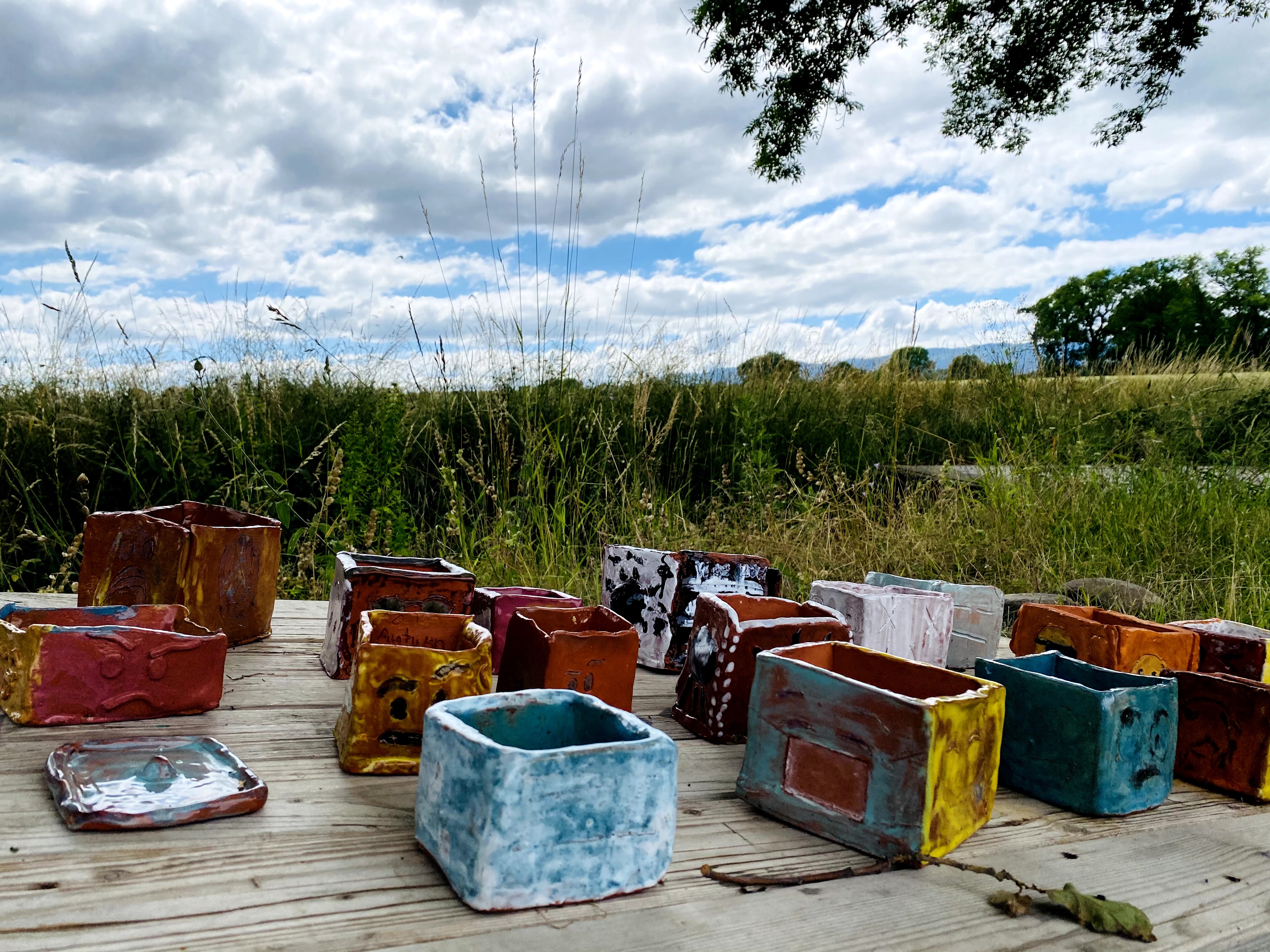
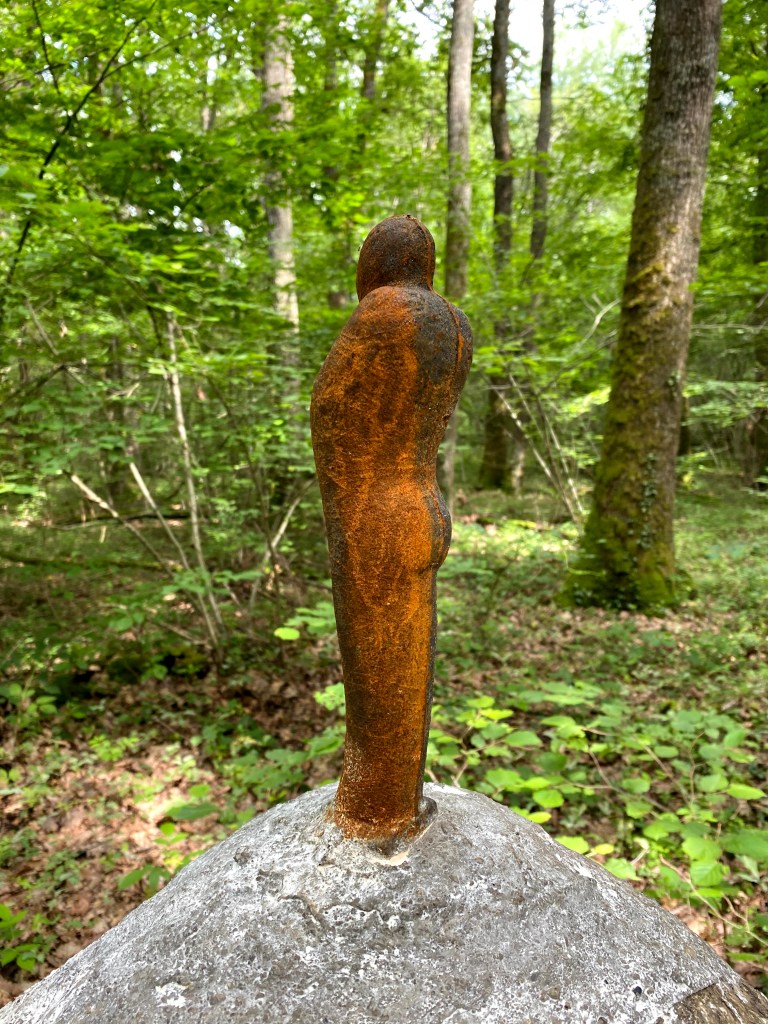
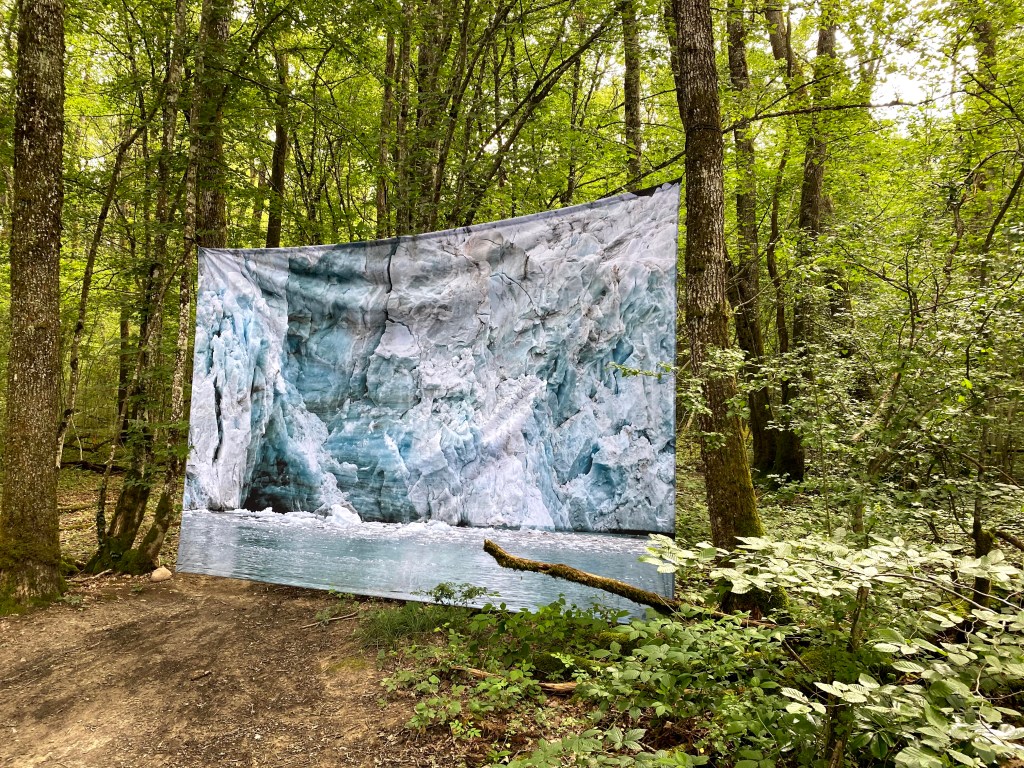
The trail is available and accessible the whole year round but is especially beautiful when you have a multitude of artworks displayed. The majority of the artists live locally but come from all over the world, and have connections to the many arts institutions in the region. In addition, several schools also get to present and display their art creation.

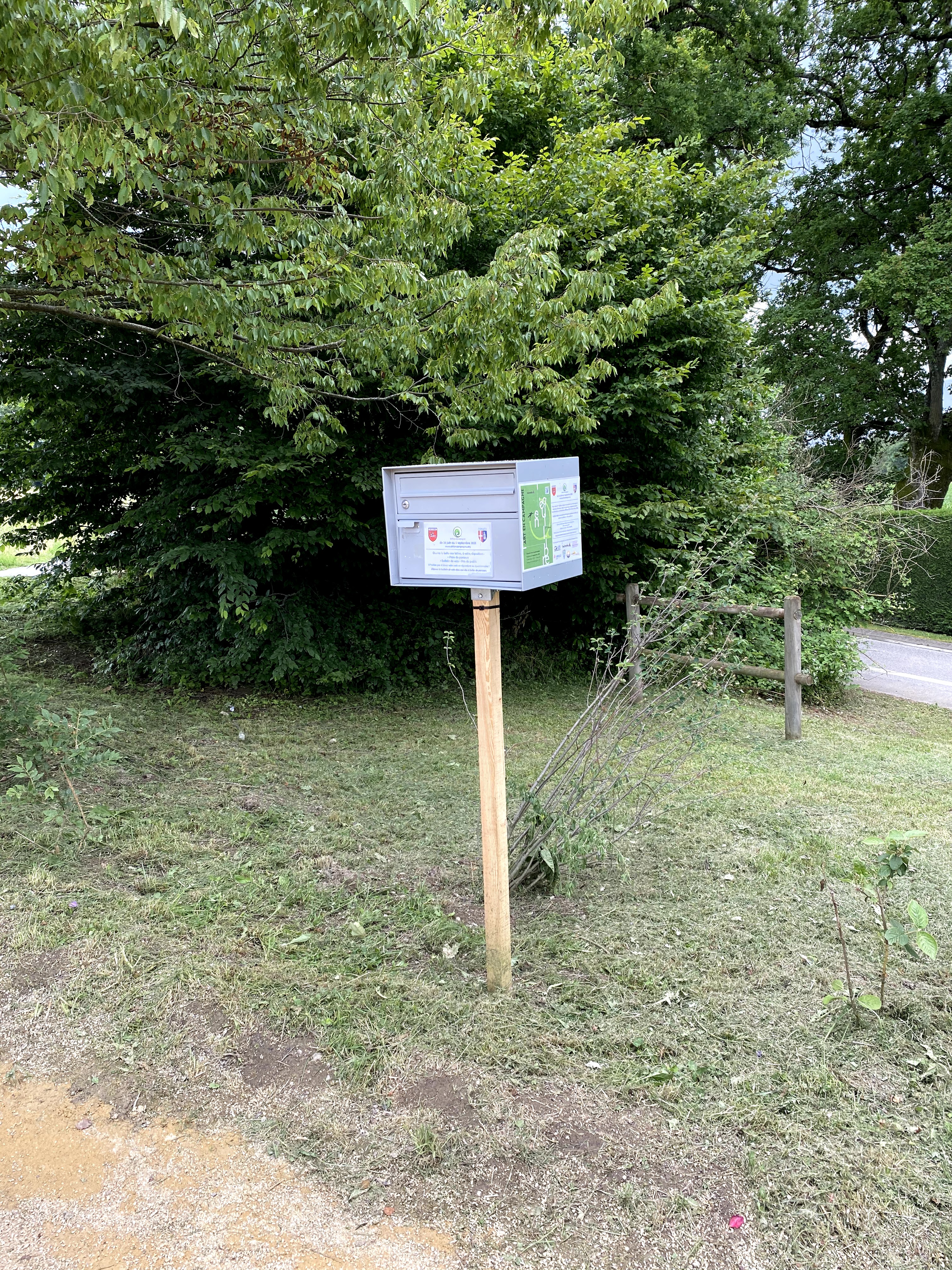
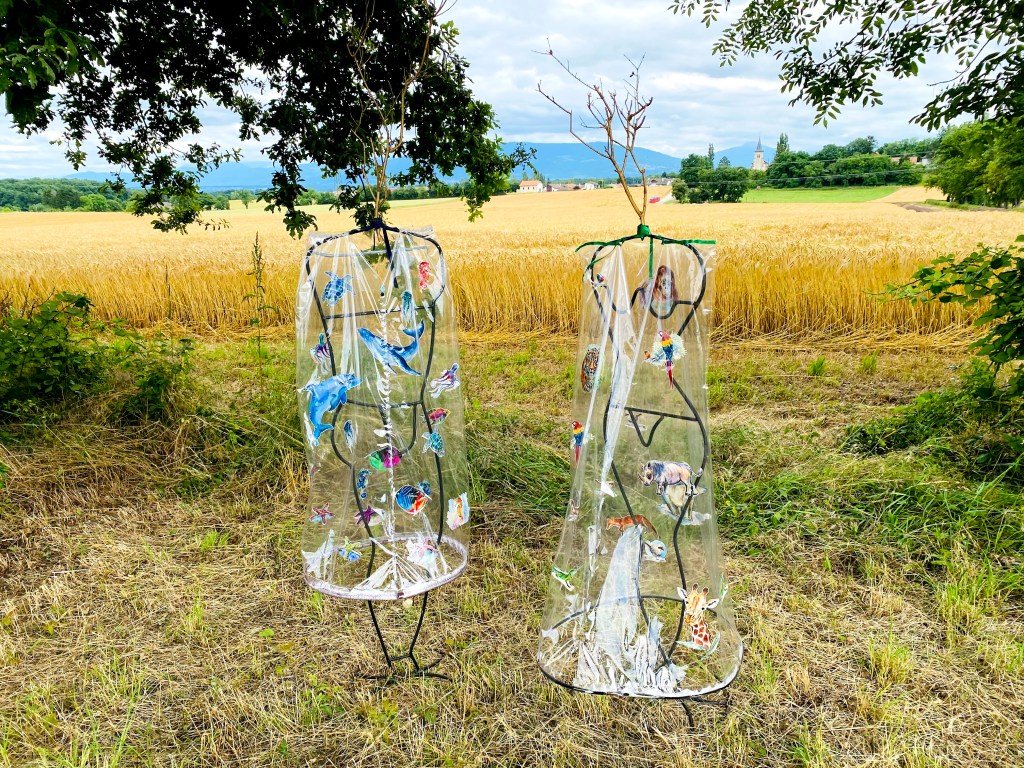
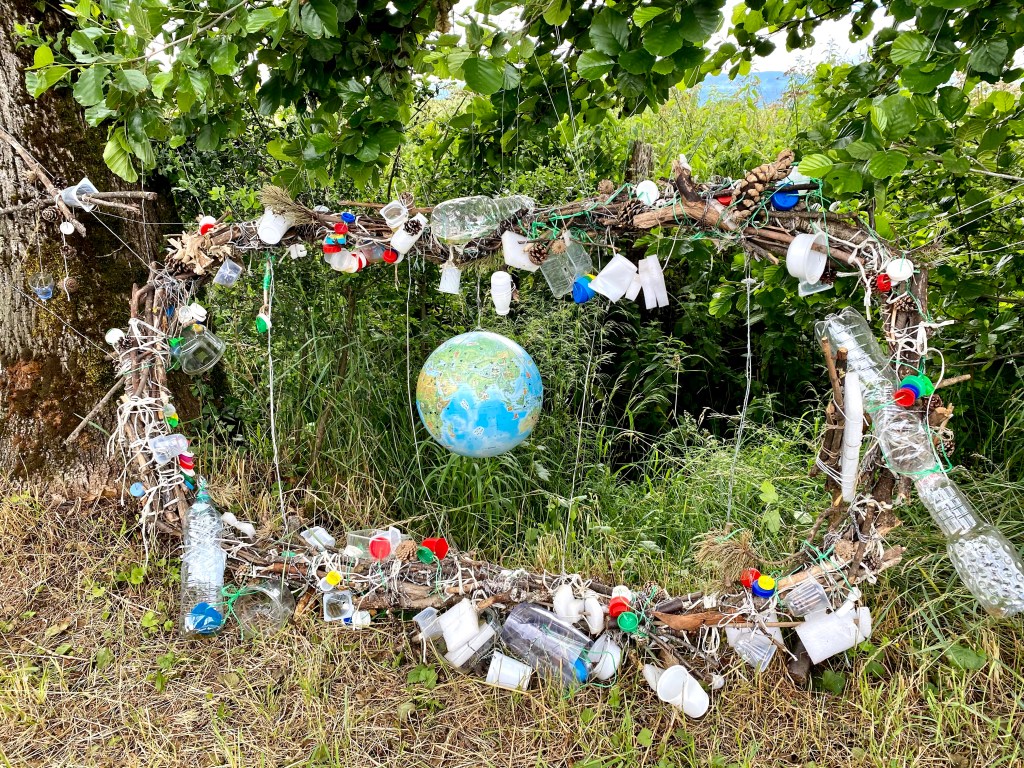
For the 2021 edition, the trail has no less than 47 installations along the short trail. You can pick up a map from one of the many mailboxes that have been put up.

You can also vote for the installation you liked the most. The voting can be done online or by using the sheet you will find in one of the many mailboxes.

The philosopher Jean-Jacques Rousseau famously said, “I can only meditate when I am walking. When I stop, I cease to think; my mind works only with my legs. I can assure you that on this art trail you will stop. But you will not cease to think. You will look, read, and admire the fantastic installations. The walk will take you around 1 to 1,5 hours to complete, depending on your walking pace and how many stops you make to admire and take photos of the art installations.

The trails are fairly flat and can be enjoyed by old and young. There was a little stretch in the woods that was a little muddy when I did the walk. But I do not think it would be too complicated to pass even if you have a baby in a pram with you.

The walk can be done in both directions, and you can start from anywhere along the trail. There are several parking opportunities on both sides if you come by car. If you come by bus the TPG will take you to Ornex-Prenepla or Ornex-Fruitiere on the French side. From the Suisse side, the 52 bus stops in Collex-Centre and Bossy. All bus stops are just a few minutes away from the trail.

To have a pre-peak at the map you can click here.

Enjoy the art and the walk, and feel free to share!

France: Giron, winter hiking on snowshoes and cross-country skiing

Because La Vattay is the nearest place for me to go cross-country skiing, it’s where I often end up on a nice and sunny day.

But on those nice and sunny weekends when the sheer amount of traffic up towards Col de La Faucille is just crazy, why not try going to a real local place that offers great trails for both the cross-country skiers and on foot.

I discovered the small village of Giron just a few years ago, and it has since become my preferred resort on those days where I just know I’ll spend more time looking for a parking space at La Vattay than actually skiing.

This year, with all the alpine ski resorts closed and shops being sold out for snowshoes, it feels like the whole of Geneva and Pays de Gex take the same route up past Gex and into the Jura mountains at exactly the same time.

This is why Giron, located in the Ain department, is a good alternative. From the greater Geneva region, it takes you about one hour to drive. To get there, all you have to do is drive past Bellegarde and take the local road (not the A40) towards Nantua. Roughly mid-way between Bellegarde and Nantua, at Saint-Germain-de-Joux, you take right and follow the signpost towards Giron. Another few minutes, and you’re there.

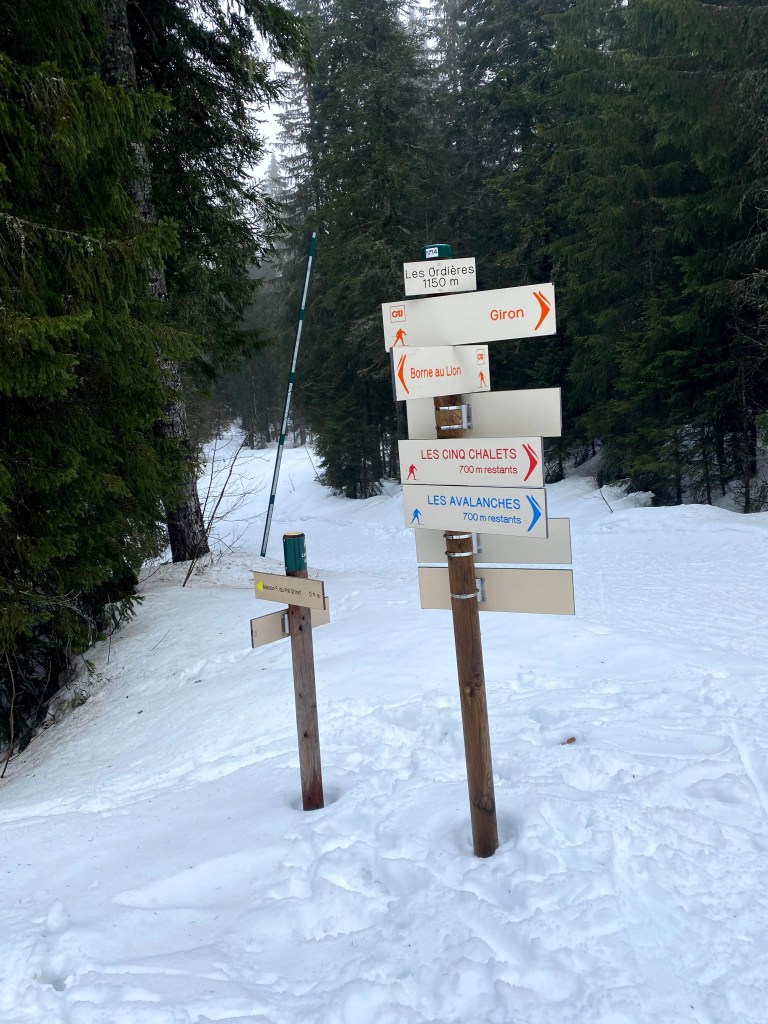
Giron is located 1,000 meters above sea level (it even says “Giron 1000” on the signs) and it’s the highest village in the Ain department. Even so, it is relatively low in comparison to many resorts you’ll find on the Jura plateau. In recent years, with relatively mild winters, the snow have melted earlier there than on some of the more north-facing trails elsewhere, especially those at La Vattay. If you’re in doubt about the current snow conditions you can call the Relais Nordique (0033 676 24 52 12) to check with them whether the trails are open, or you can consult the snow report (unfortunately only in French).

As with most of these resorts in our various backyards, for a daytrip you need to have access to a car as public transport is not really an option. If you go for the weekend, Le Relais Nordique has a pickup service that will collect you in Bellegarde.

Interestingly, Giron is the point of arrival for participants in the 76 km long cross country ski race competition La Transjurassienne. The Transjurassienne is the world’s second longest cross-country ski competition, normally taking place in February every year.

Apart from the weekend when the Transjurassienne takes place, Giron is very much a quiet little local station. You won’t find the same number of trails as they have at La Vattay, but the upside is that it is not as busy. Even on a Sunday, you will find parking relatively easy. In the village centre there’s a rental shop and bar/restaurant, as well as restroom facilities, all in one building. At the counter of the rental shop, friendly staff will help you find the right skis or snowshoes. Whenever the nasty Covid virus decide to pack it in, you should be able to enjoy a nice lunch and hot and cold drinks at the Relais Nordique. Even last Sunday, the smell of hot wine was just divine and very inviting.

In the meantime we have to take a packed lunch with us and enjoy it outside. Which can be very nice too.

In order to check out the map of trails, click here for skis and snowshoes.

If you are not in possession of your own equipment, skis, snowshoes and sledges can be rented at Le Relais Nordique. For prices, click here.

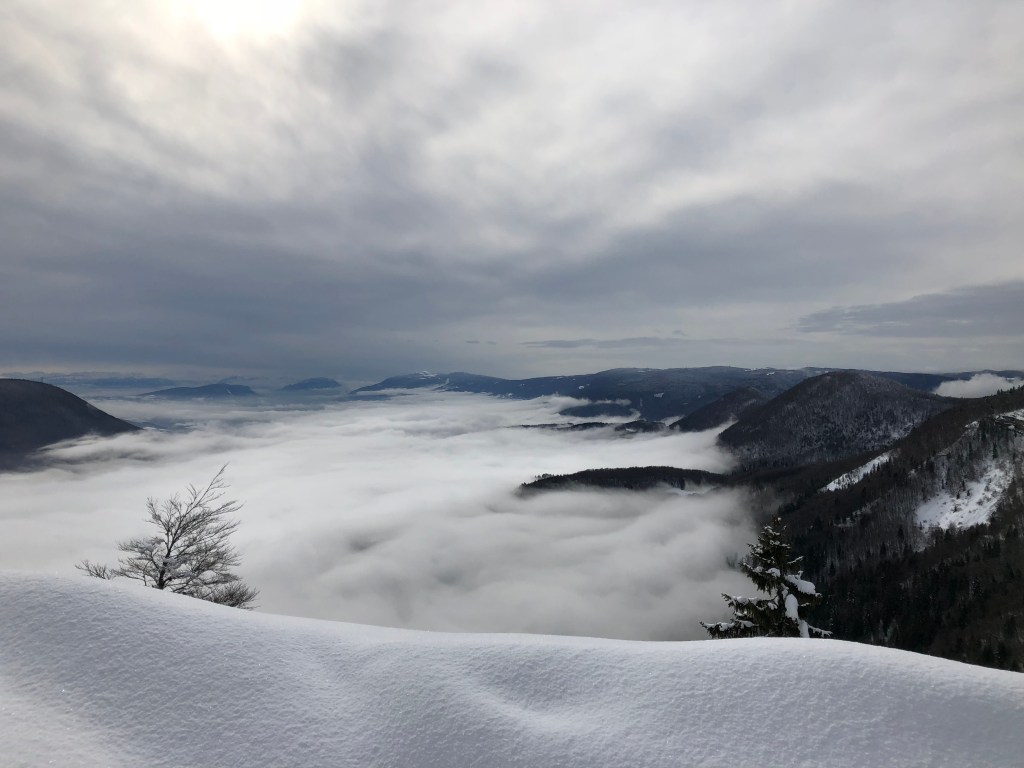
Whether you select the green, blue or red trail, you will be passing Cirque de la Fauconniere on the way back to the starting point. This is a spectacular 150-meter-high cliff wall (you’ll pass the summit). On a nice and sunny day, you will be able to enjoy a spectacular view of the Semine valley from this viewpoint. My photo from last Sunday when everything was covered in mist doesn’t really give justice to this spectacular view.

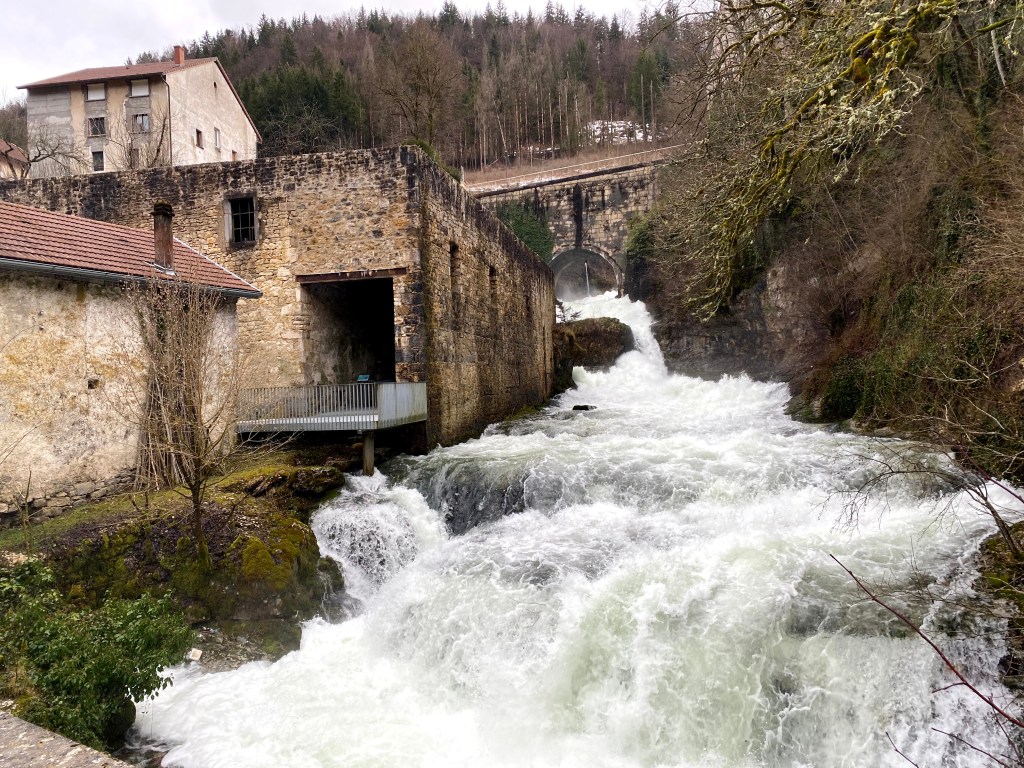
Finally, on your way back, don’t forget to stop in Saint-Germain-de-Joux to check out the local river and its “marmites”. These rock hollows, carved out by the river over millennia, are accessible by a 5-minute walk from the town centre. Just follow the signs! For a longer walk around the “marmite” you should try this walk that I blogged about last year. The Giant Kettles in Saint Germain de Joux (les marmites de geant) and Combe Michel

I hope you enjoy, and feel free to share!

France: Challex, and parcours de la Corbière

Overview: Easy and a little sporty

Time: around 1,5 hours               Km: 4                   Hight to climb: 148 meters

I have recently been made aware of the Japanese concept of “forest bathing”, which is said to reduce stress and worry (in my home country of Norway I guess we’d just call it hiking in the woods, but there you go…) On my little exploration walk in Challex I started thinking about how lucky I am to have nature so close to where I live. People living in big cities go to the park to connect with nature. Me, living in the Pays de Gex, have the choice between many different forests and nature reserves. The best of it is that often, these walks in the local nature can be combined with French village charms.

Challex is a bit off the beaten tracks for me. I have never had any friends living there, so I’ve never had any real reasons for going there. Now, after having discovered this short but sporty walk, I’ll definitely go back again.

As for most of the villages in Pays the Gex, the easiest way to get there is by car. Using public transport, Tpg will take you there from Switzerland on the T bus.

I parked just outside the school (Rue des Ecoles) in the village and started my walk from there.

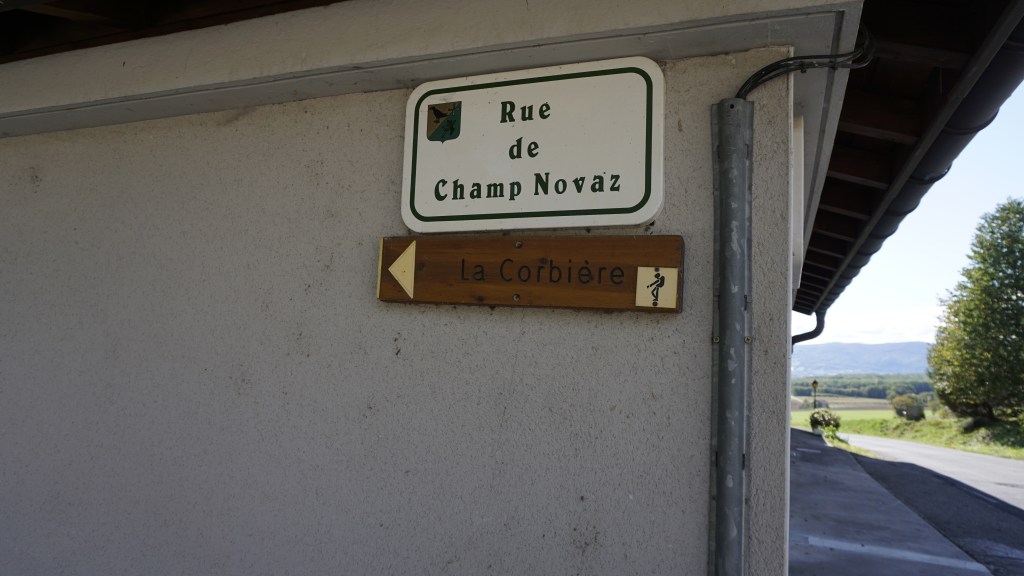
Walk in direction Bellegarde. After a few meters you will see a gravel road. Continue downhill on this road and walk past the vines. When this path ends, walk to the left onto Chemin de Corbet and continue until you reach a fountain. Walk to the right, and you will very soon see a sign telling you that you are on the “Parcours de la Corbiere”. Continue on this path and it will take you down towards the Rhone.

When you see this block that tells the story of the Chateau le la Corbière, walk to the left and into the woods.

The Chateau de la Corbière was built in the twelfth century by the Count of Geneva. By then, Challex had some commercial and political rights and controlled a bridge made of wood that spanned the Rhone river. On the other side of the bridge was the small town of Epeisses, which was controlled by the chateau. Today, Epeisses is in Switzerland and the village is no longer where it used to be. In the 13th century, the level of hostility between the Count of Geneva and the Savoyards eventually resulted in a war. The chateau and the bridge were subsequently completely destroyed by the Savoyards.

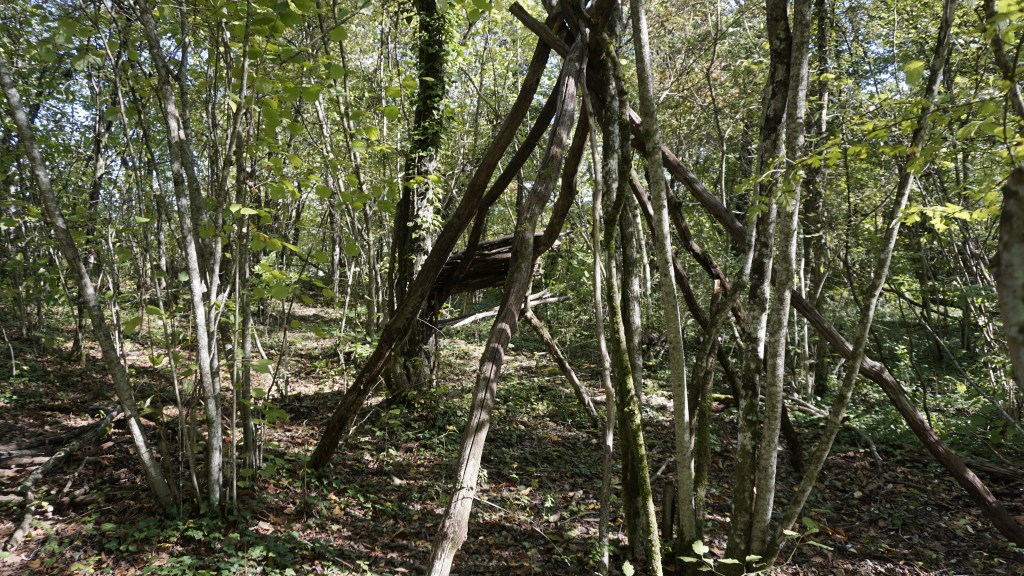
Unfortunately, I was not able to find a single trace of the chateau. Maybe you are luckier?

I found this, however, and with a little more work who knows it could turn into a chateau.

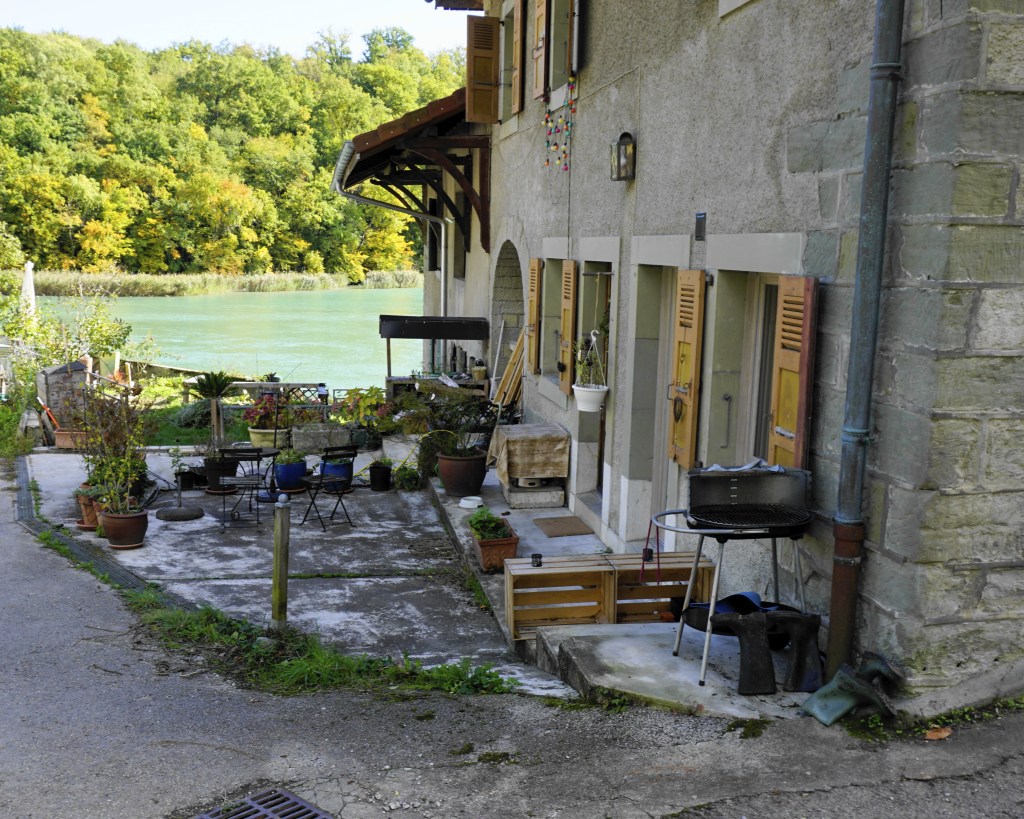
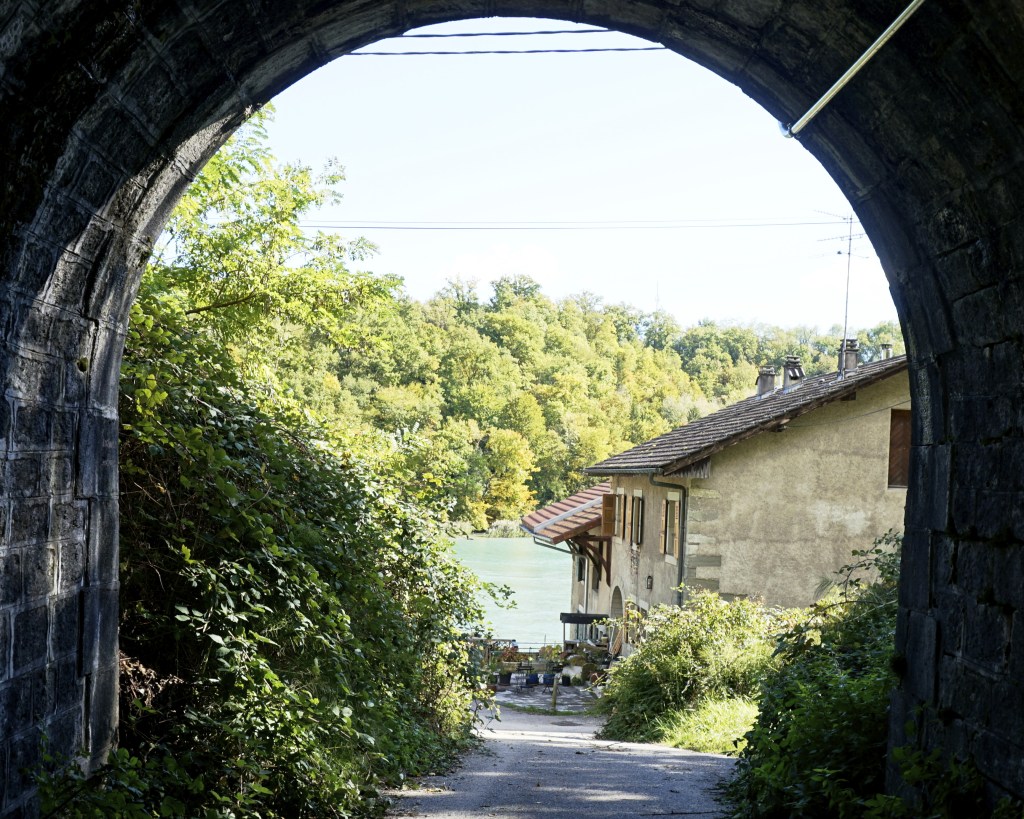
Leaving the forest, I walked down under the bridge to have a look at the Rhone. That’s where I came across this house which I think must have been an old mill. The people living here have a magnificent view. Just imagine having your breakfast on the terrace on a summer day, with the Rhone gliding gently by.

What a luxury!

Now, on to the sporty part. I hadn’t really realized that until now, my walk had been mostly downhills. From here on, you’ll get reminded about your heart and lungs! When you see this crossing, walk left and continue up, up and even more up on to the Rue du Chateau.

On Rue de la Treille, walk to the left and through the little village centre of Challex. If the Auberge is open, you can enjoy a drink on the terrace overlooking the woods below, where you’ve just enjoyed your forest bath. Continue for a few more meters and you will be back to your starting point.

Enjoy discovering Challex, and feel free to share!