Tag Archives: hiking

France: Lac Genin, the lake to visit whatever the time of the year!

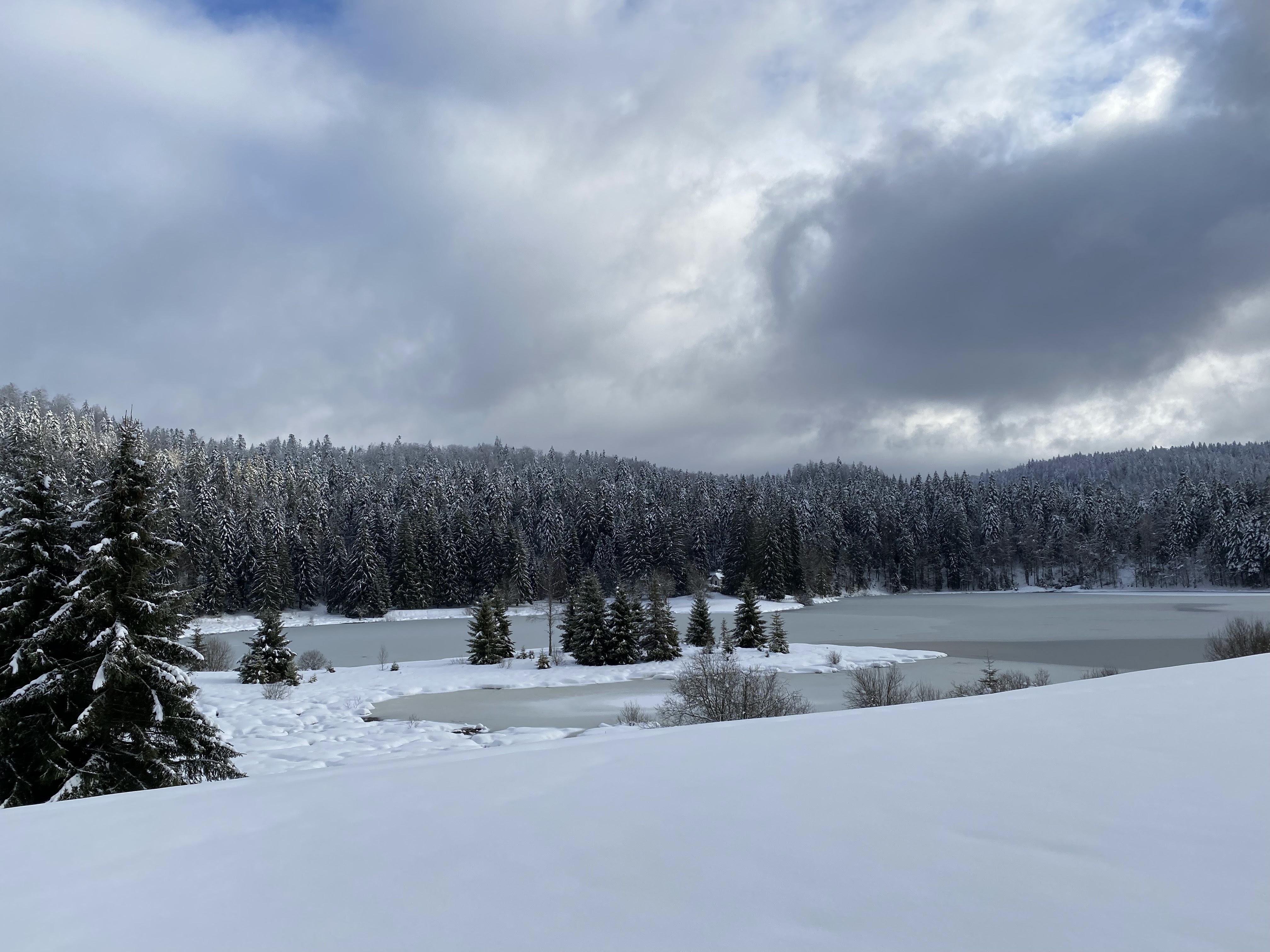
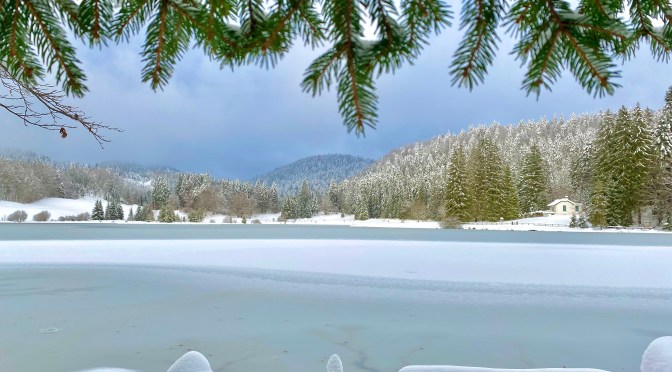
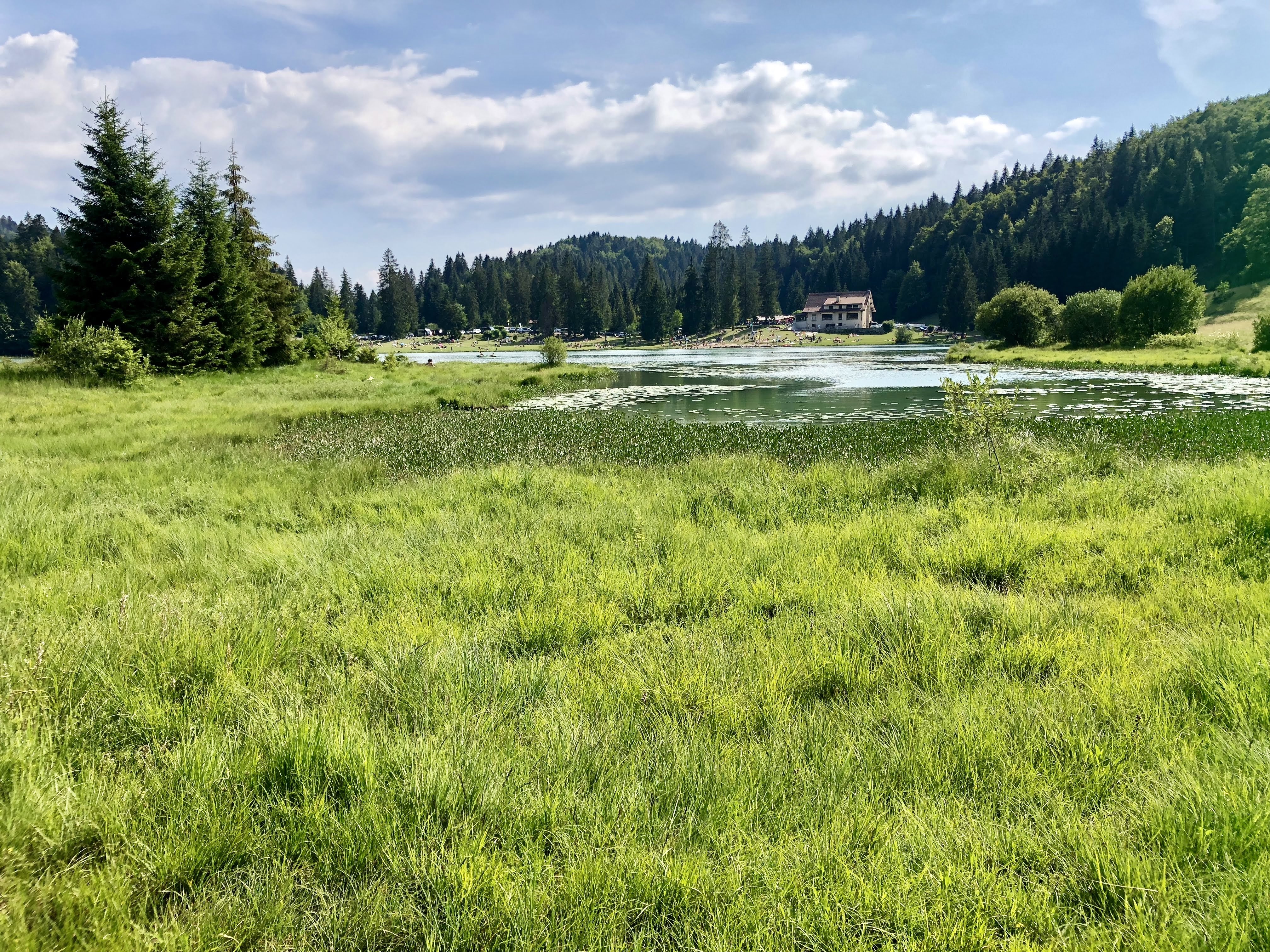
If you have not visited Lake Genin, you should put it on your to-do list. Lake Genin is situated between Bellegarde-sur- Valserine and Nantua. This lake is truly a little gem that I wish someone would have told me about sooner. It is easily accessible from Pays de Gex and Geneva if you have access to a car. It is one of the places that you can visit no matter what season and whatever the weather. In the spring and autumn, it is the perfect place for walking. In the summer you swim in the lake. In the winter you can ice skate, sledge, or go snowshoeing.

I discovered Lac Genin for the first time a few years ago on a nice and hot summer day. I was equipped with a towel and determent to have a swim, even if the water would be really cold. The water was not that cold, and from what I have since learned the normal temperature is around 20 degrees Celsius in the summer.

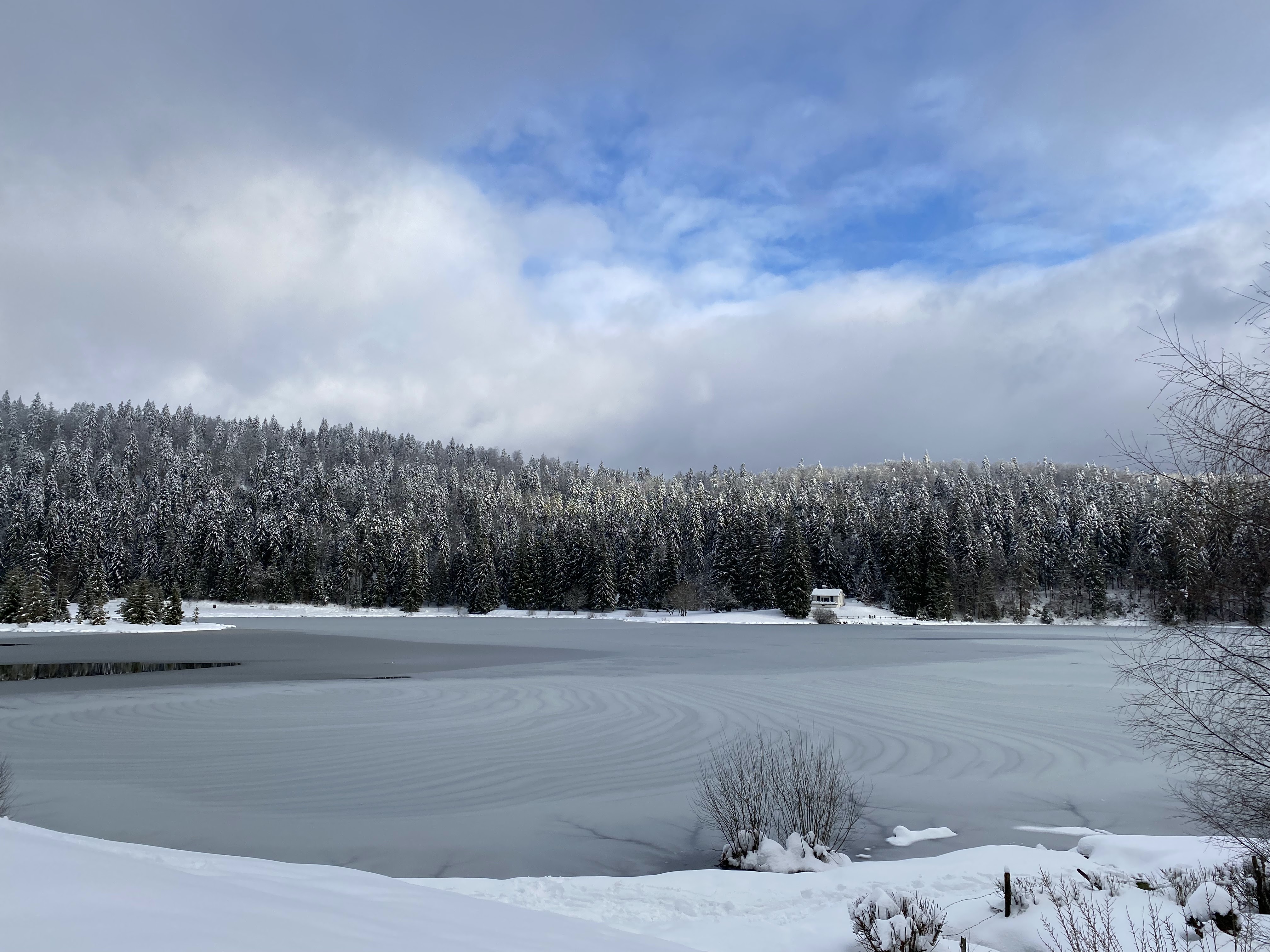
The lake itself is not very big.  With a length of 380 meters and a width of 330, its size is probably the reason for the nice water temperature in the summer even if the lake gets frozen in the winter.

On the nice summer days, you will not be the only one there. The green grass on one side will be full of colourful bathing towels, and both children and adults will be enjoying the sun and the water. In the summer season, you will normally find lifeguards observing and making sure that everybody is safe. You will find a playground, toilets, a snack bar, a restaurant, and a hotel. I have not tested the restaurant myself, but I have heard that the people come from far away to eat there. The specialities are barbeques and local trout.
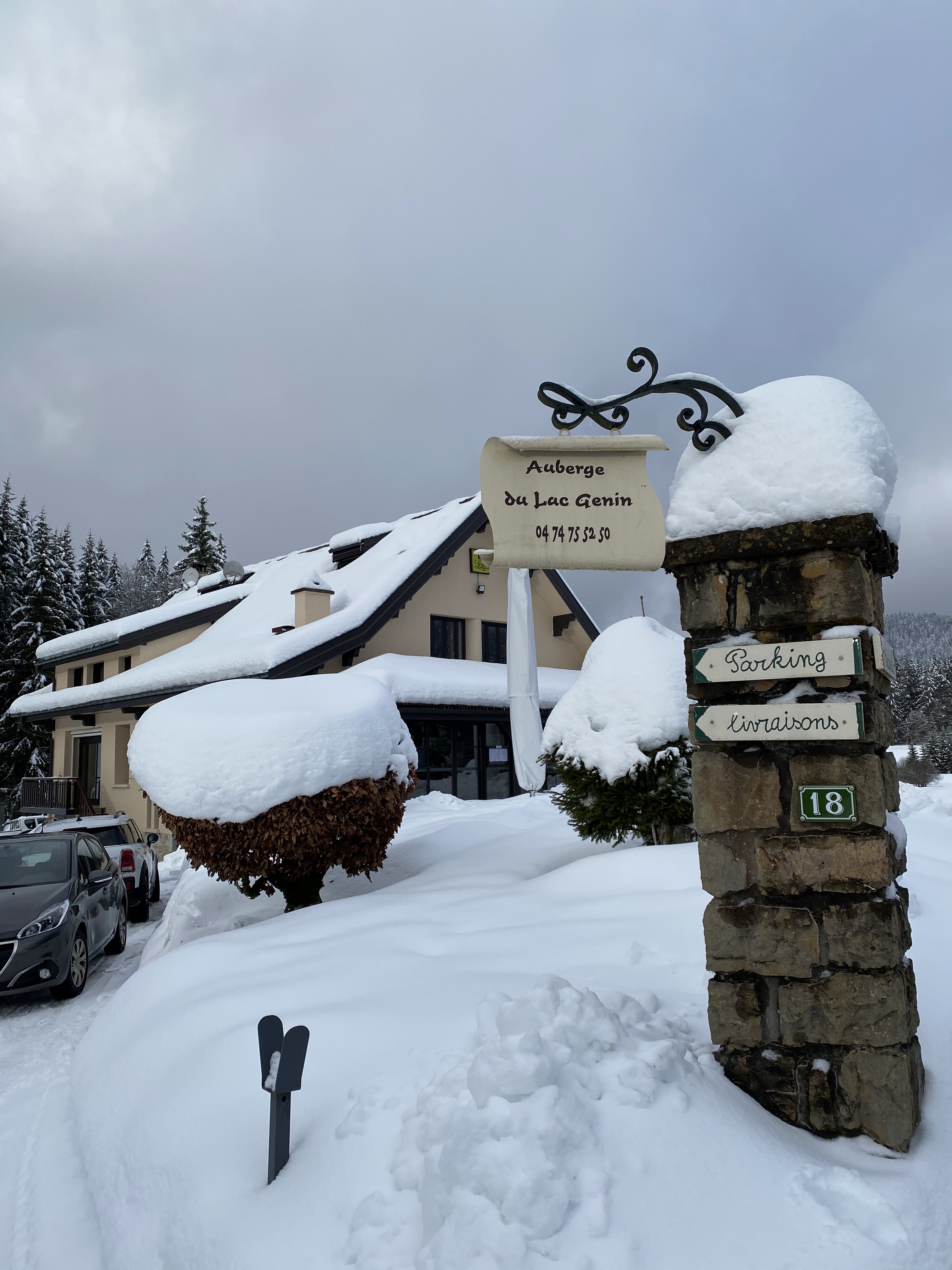
For an adult to walk around the lake it will take you around 25-30 minutes if you take it relatively slow.

If you think 30 minutes around the lake is not enough exercise and you are not tempted by a swim in the lake, you have the possibility to walk the 11,5 kilometres from Lac Genin to Oyonnax. This walk should take you around 4-4.30 hours to complete. For map and walking instructions in French, click here.

If you need a walk that is a little shorter, but still a little longer than just around the lake you have the option to do De La Vouivre, or in English, the Wyvern walk. This walk is 3,5 kilometres and takes around 1.30 to 2 hours to complete.

The Wyvern is a two-legged dragon with a barbed tail. The possibility to get a glimpse of this monster should be a good motivator for both children and adults.
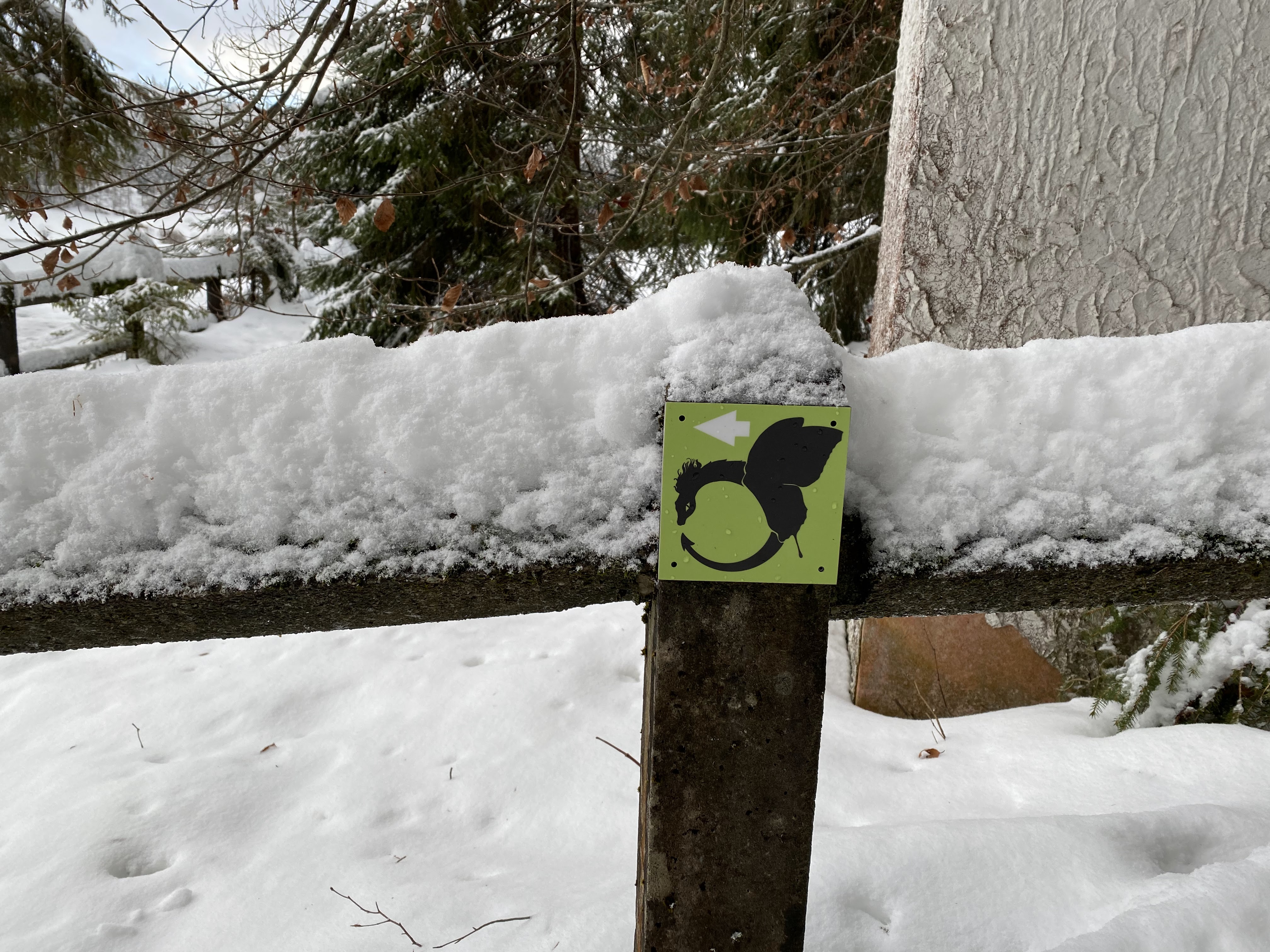
The Patrimones de Ain have put together an activity book for children in French that can be downloaded. You will also find a map of the walk there.
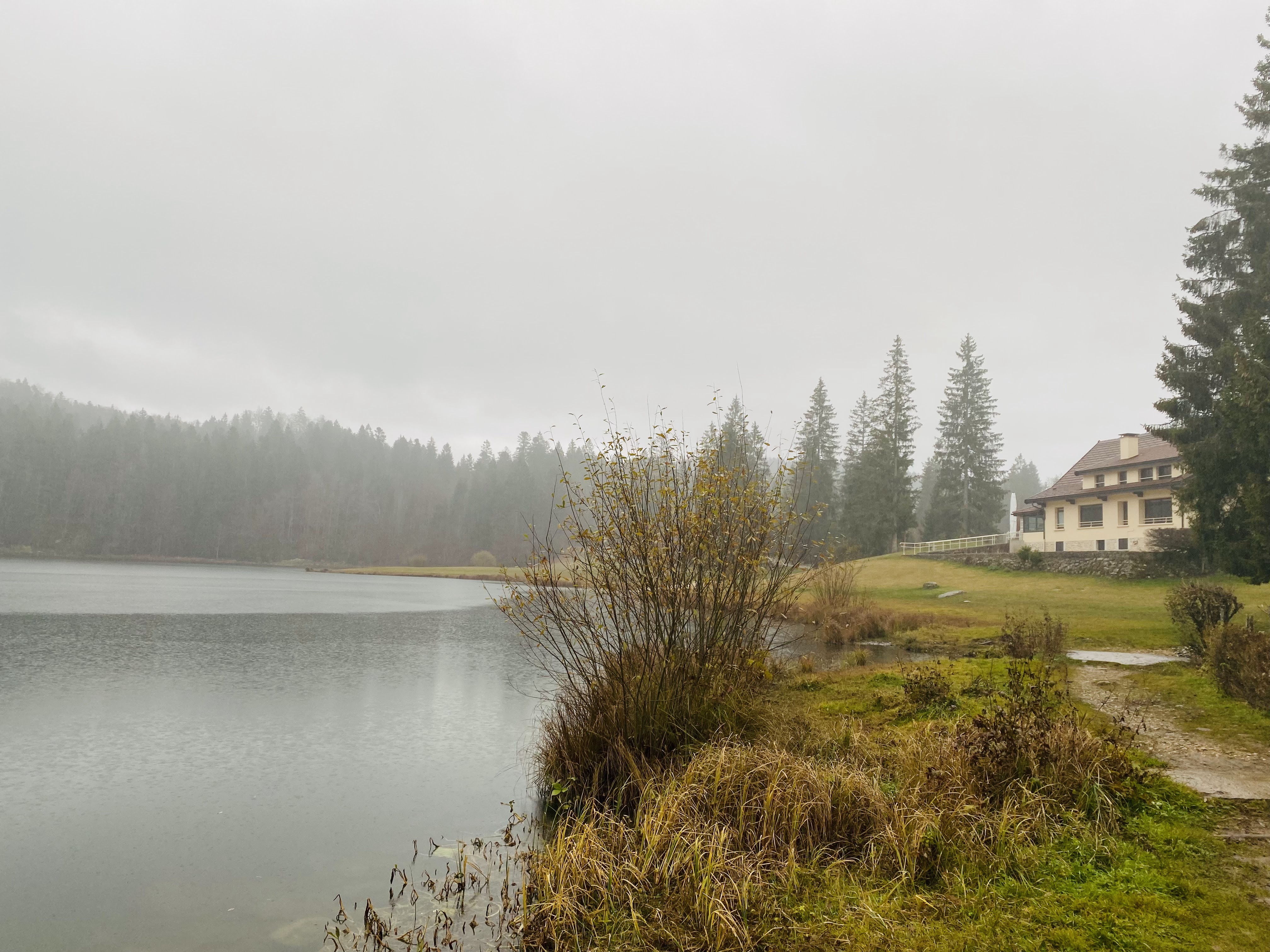
If you visit Lake Genin in the autumn, you will see that the forest there must be the perfect place to go mushroom hunting. This year I was unprepared, next year I will be ready in September with my basket and mushroom guide.
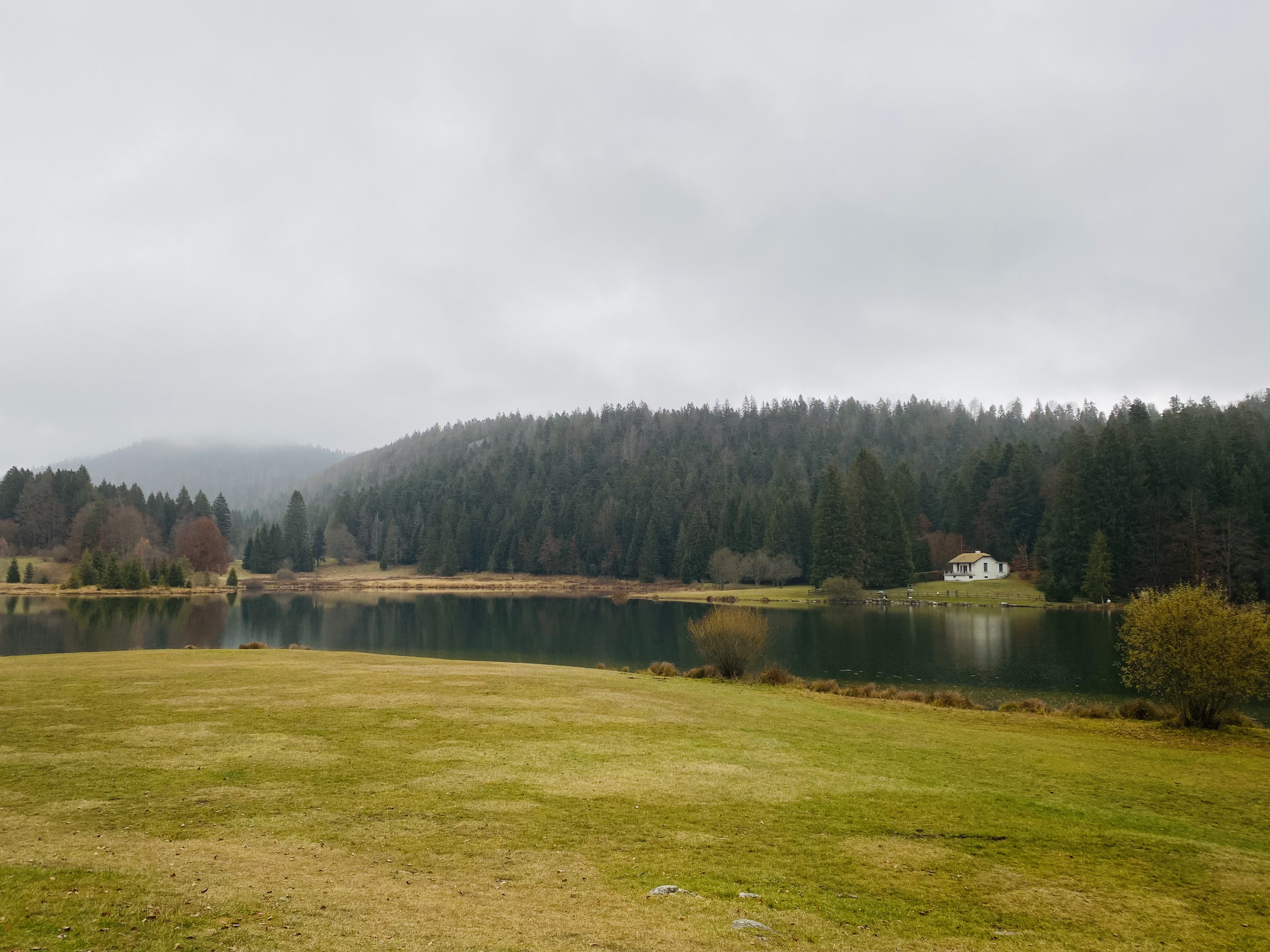
Lake Genin is often referred to as “Little Canada”. The reason for this is its location in a clearing surrounded by pine forest and the harsh weather in the winter season.  

During the winter months and on those cold and crisp mornings it is therefore the perfect starting point for snowshoeing. There should be marked trails, but I did not see specific snowshoe trails when I was there yesterday. I only saw the normal hiking trails, but I think they will work for snowshoes to. We followed the trails made by other snowshoers which guided us around the quiet and peaceful landscape. There were lots of kids (and adults) out enjoying sledging in the slopes around the lake. When the lake is frozen it is possible to enjoy ice skating, but before you do so, always check with the hotel if the ice is thick enough and if it is safe to walk on the ice.
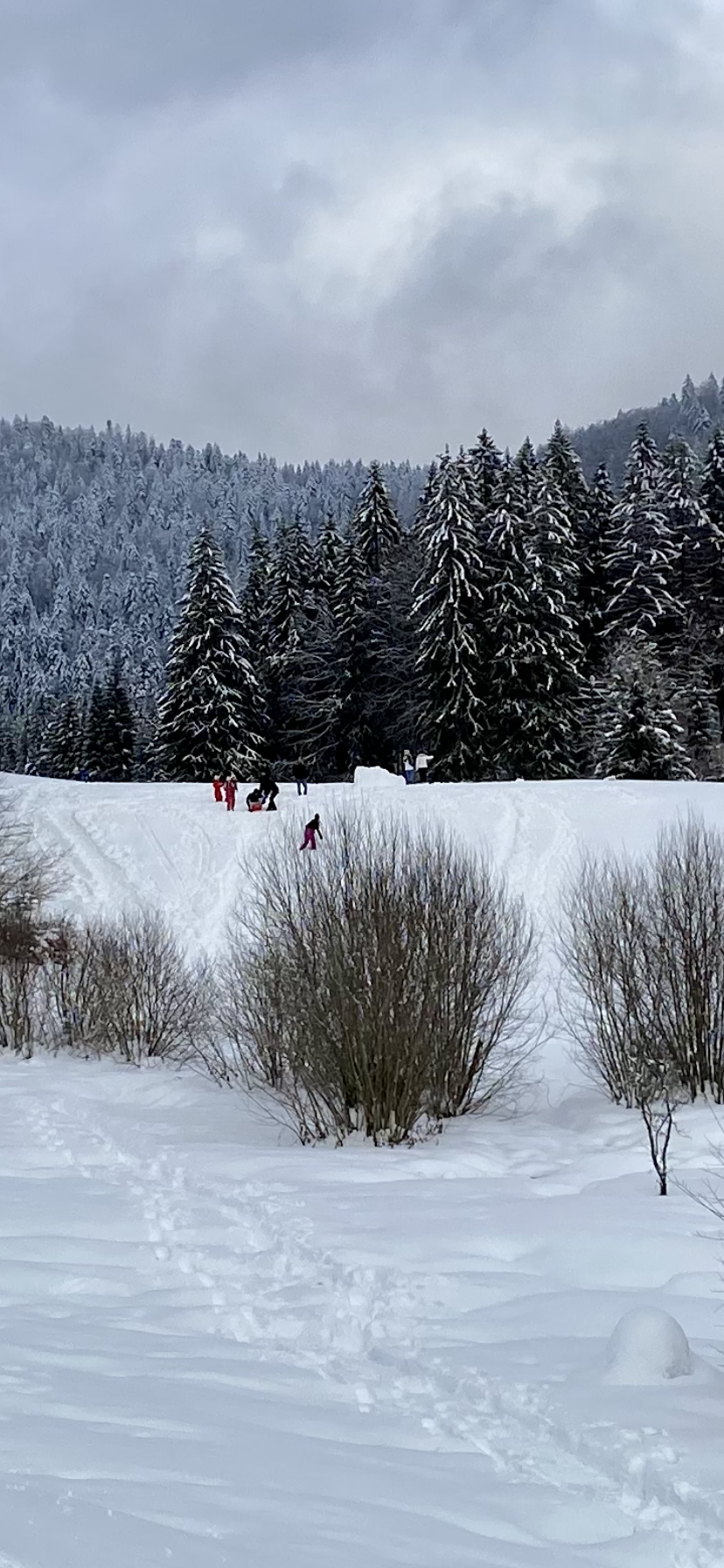
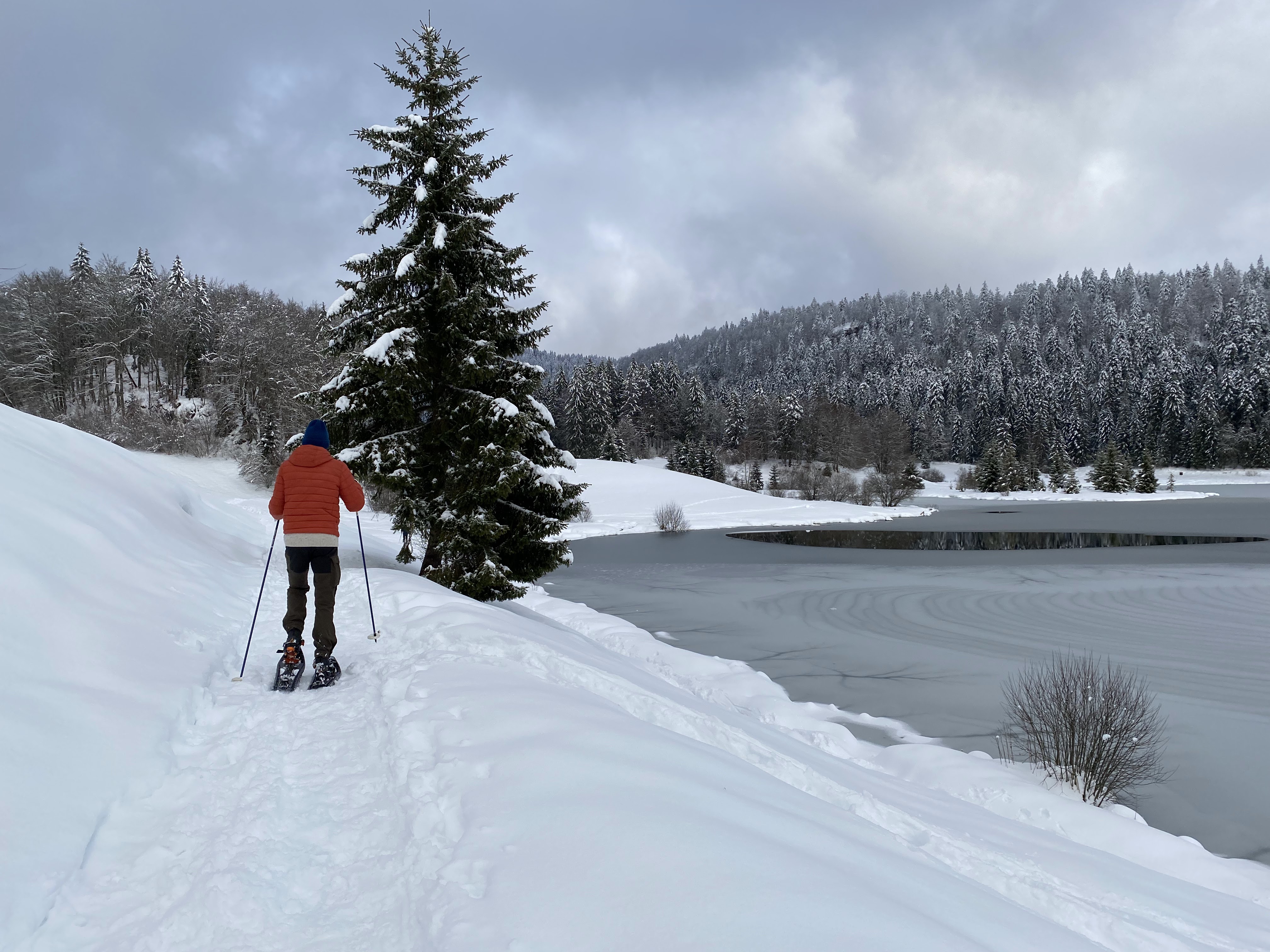
For those of you not equipped with snowshoes, sledges, or ice skates the hotel has a renting-out service. On the nice and sunny winter days, you should check availability before you go so that you are not disappointed if it is all rented out.

There’s adventure to found so close to where we live. Lake Genin is just one of these places that are waiting for you to explore.

Feel free to share!
France: King Kong cave and the skull in Thoiry

I did not know that I could actually visit a cave right here in our little corner of France.

The cave itself cannot be compared with the impressive caves elsewhere where you have to pay an entry fee to visit, but for a short outing, it is impressive enough for me.

A friend took me for a walk around Thoiry some time ago and showed me what they called King Kong cave and the skull on the wall.

I wish I had known about this treasure when my kids were at the right age for fantasy, imagination, and storytelling. I actually think kids all ages will enjoy a visit to Le Grotte de Chazuet, which is just a short walk from Thoiry centre.

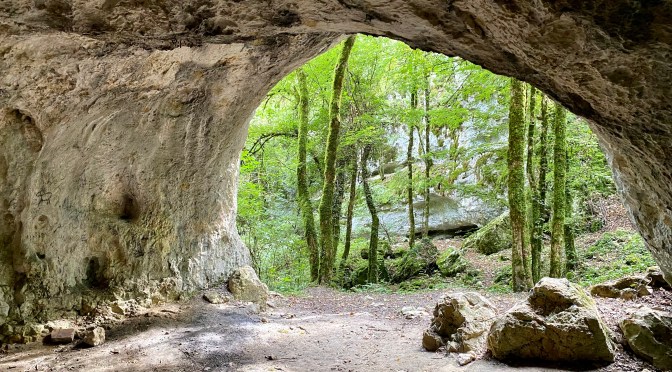
All it takes is a gentle little climb, and just below the road that takes you up to Tiocan this cave appears as if carved into the cliff wall. On your way up to the cave, right next to the pathway, you’ll find the skull carved on the wall.

The cave is big enough to fit several standing adults and is a truly extraordinary place. Even though the cave itself is small, you get the wet and damp cave feeling when inside.

In one of their newsletters from 1963, the Geneva Caving Association mention that archaeologists have found fragments of pottery, bones, and other remains of earlier habitation right here in this cave. The findings show that the cave and the area was used by human beings already during the Bronze age. The newsletter also mentions a megalith a little further up, that was used for religious ceremonies. Today the area around the cave is all quiet and peaceful, but back in the Bronze age the cave and the surroundings were probably bustling with people and voices.

Since I know absolutely nothing about minerals and rocks, I cannot really give a good description of what can be found in the cave. But I am sure somebody with a trained eye can find many interesting rock formations and minerals here.

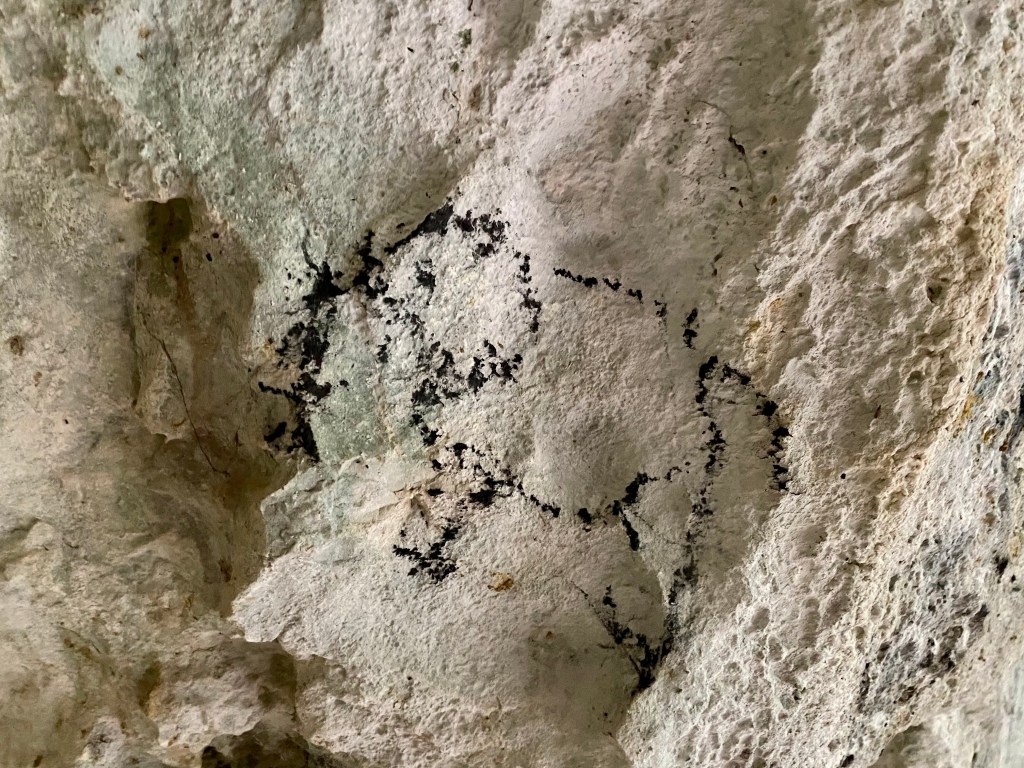
I did find some cave art; however, I am unsure about how far back these “art” pieces date.

Right. Now on to how to find this cave.

If you come by car, the best option will be to park in the centre of Thoiry where parking can be easily found. If you come by bus, the TPG will take you to Thoiry Gare on their route 68 bus. Then walk in direction of Saint-Jean de Gonville along Rue de Fenieres (D89) until you see the big concrete cross. Walk up and you will find the pathway where the road makes a sharp bend to the right. The pathway will take you gently up past the skull wall to the cave.

After you have visited the cave, you can walk back the same way or walk on the road that leads up to Tiocan. I initially thought I’d take the first possible pathway in the direction of Tiocan back, but then I came across a closed gate with a sign saying there might be cows and bulls out grassing and that continuing would be on my own responsibility. I decided to play it safe and instead carried on upwards, taking the next possible pathway down. While on this path I kept to the left and ended up walking back to Thoiry center along Rue Fenieres.

For those of you who do not know Thoiry very well, it might be worthwhile combining this walk with a visit to the local market which takes place along the main street every Sunday morning. This is my preferred market in all of the Pays de Gex since it is big enough to have everything you desire foodwise, yet small enough to not be overcrowded with people.

Happy walking, and feel free to share!

France: Art en Campagne – A cross border art walking trail

If you are lucky enough to be in Geneva or neighbouring France between the 26th of June and 5th September, you have to experience the Art en Campagne.

The 4,8-kilometre circular trail takes you across the fields between Ornex in France and Collex-Bossy in Switzerland. For a walk that already offers a beautiful view of Mont Blanc on one side and the more relaxed and greener Jura Mountain on the other side, the art installations just take the walking experience to a new level.

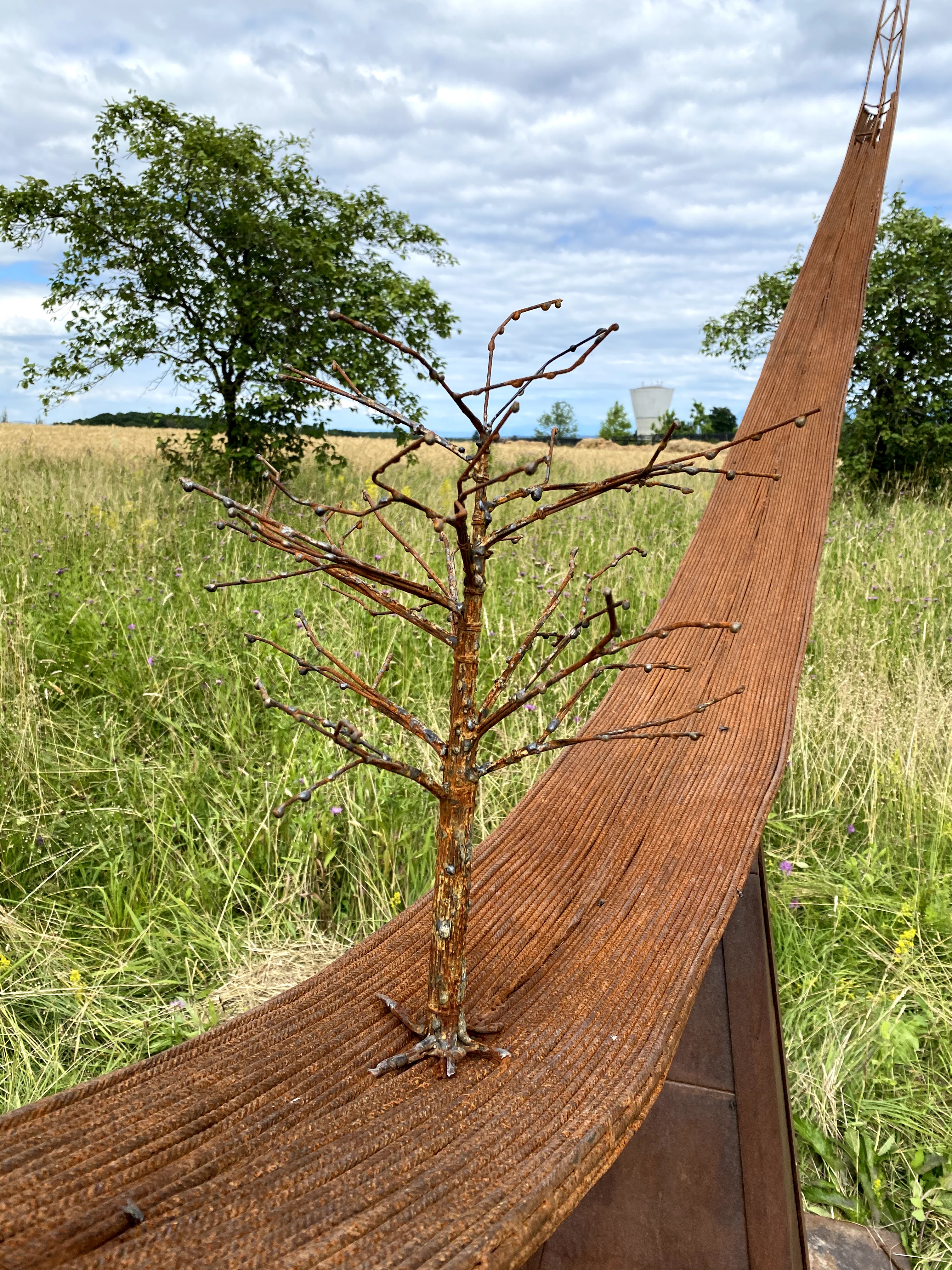
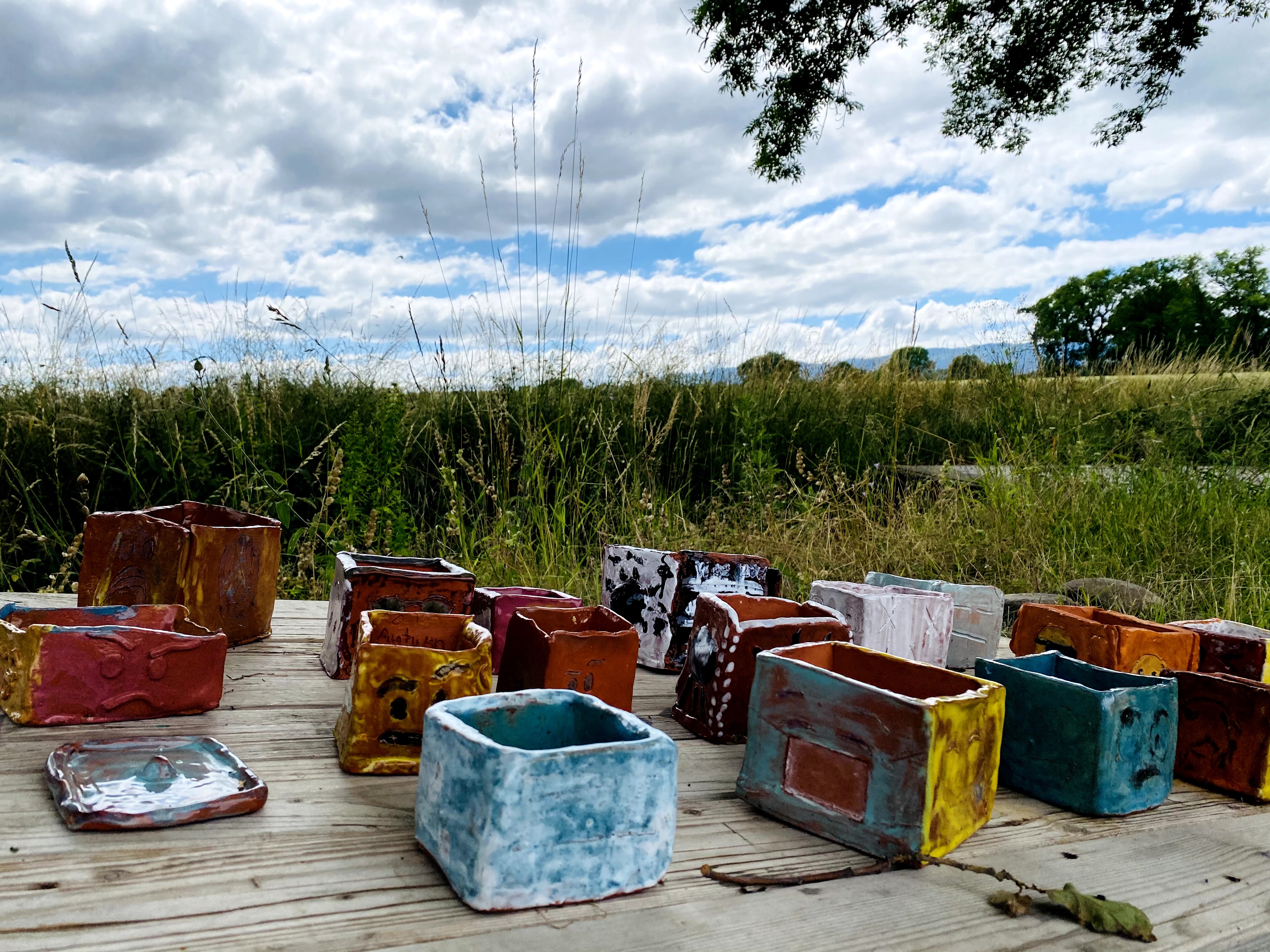
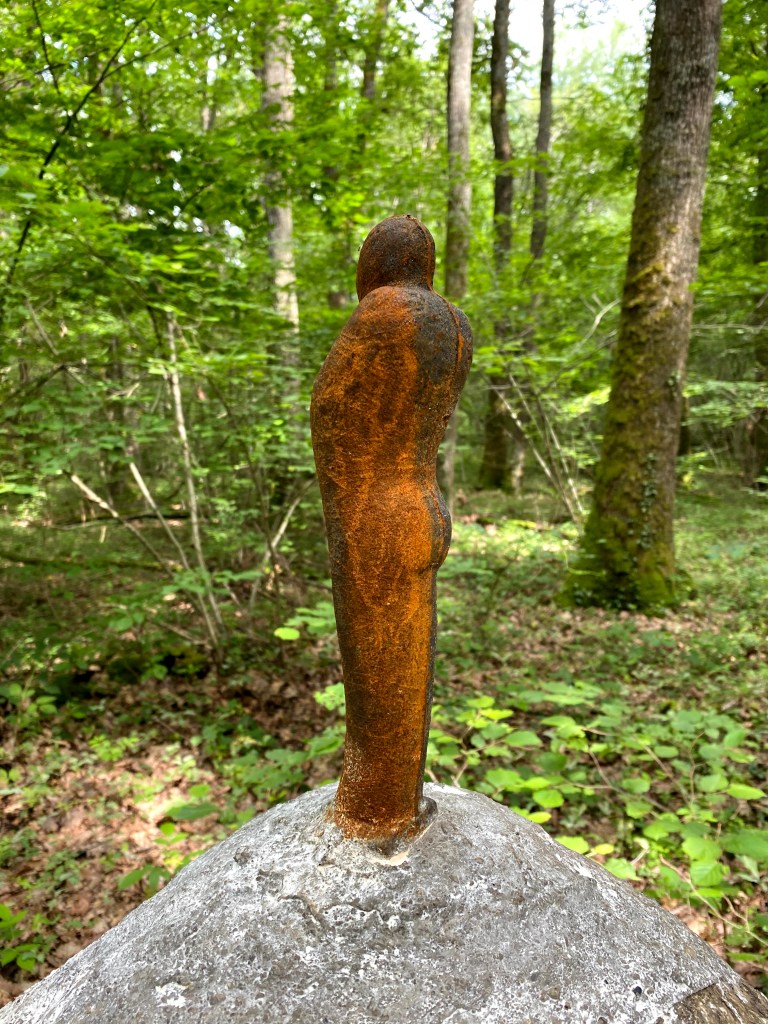
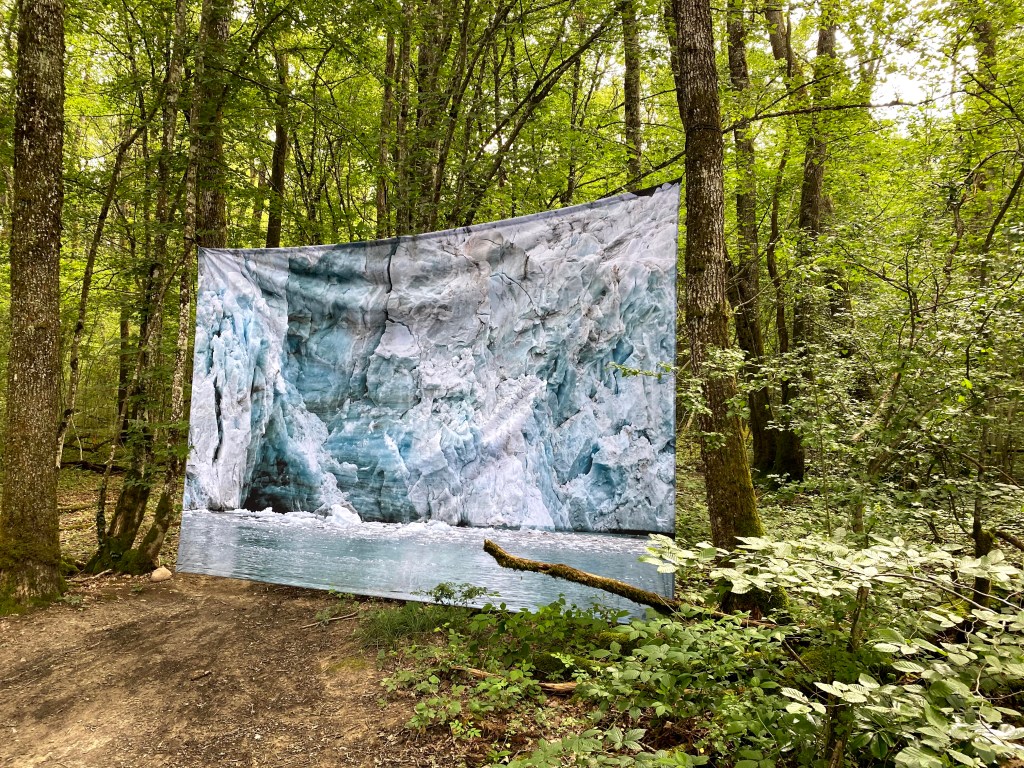
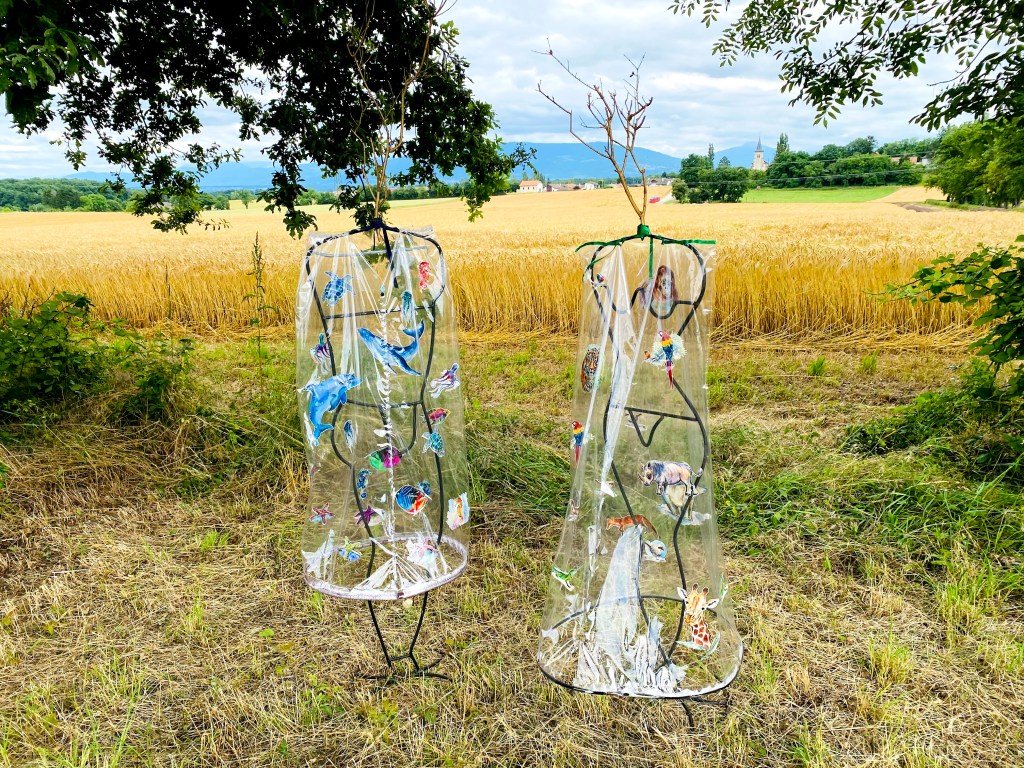
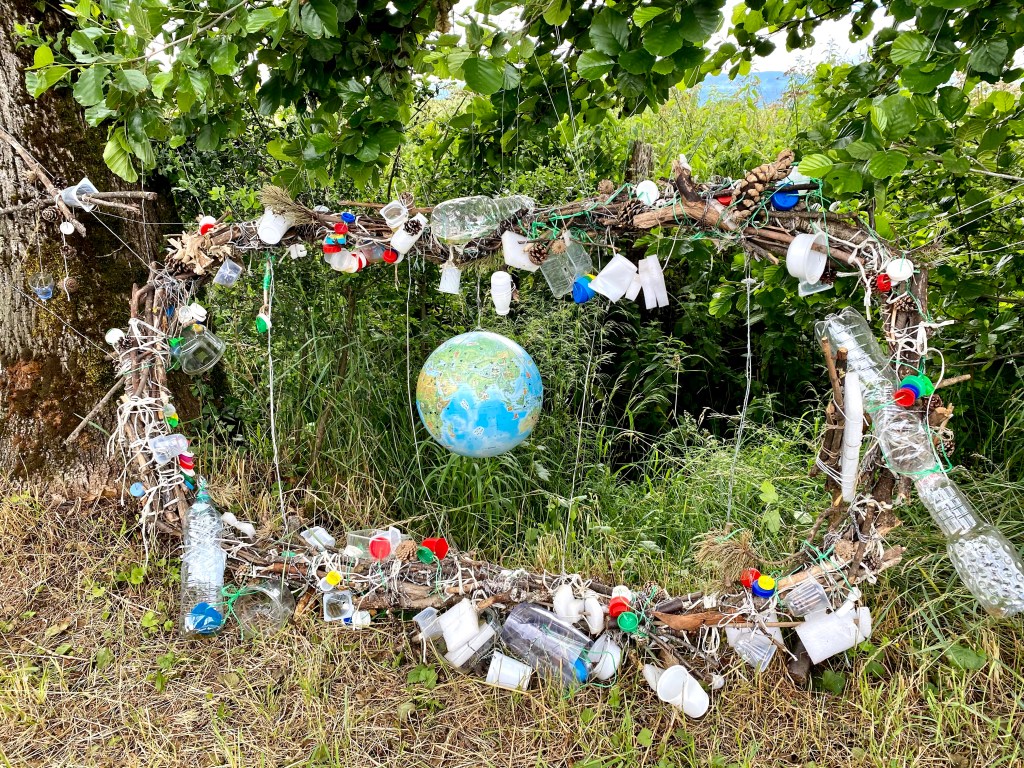
The trail is available and accessible the whole year round but is especially beautiful when you have a multitude of artworks displayed. The majority of the artists live locally but come from all over the world, and have connections to the many arts institutions in the region. In addition, several schools also get to present and display their art creation.

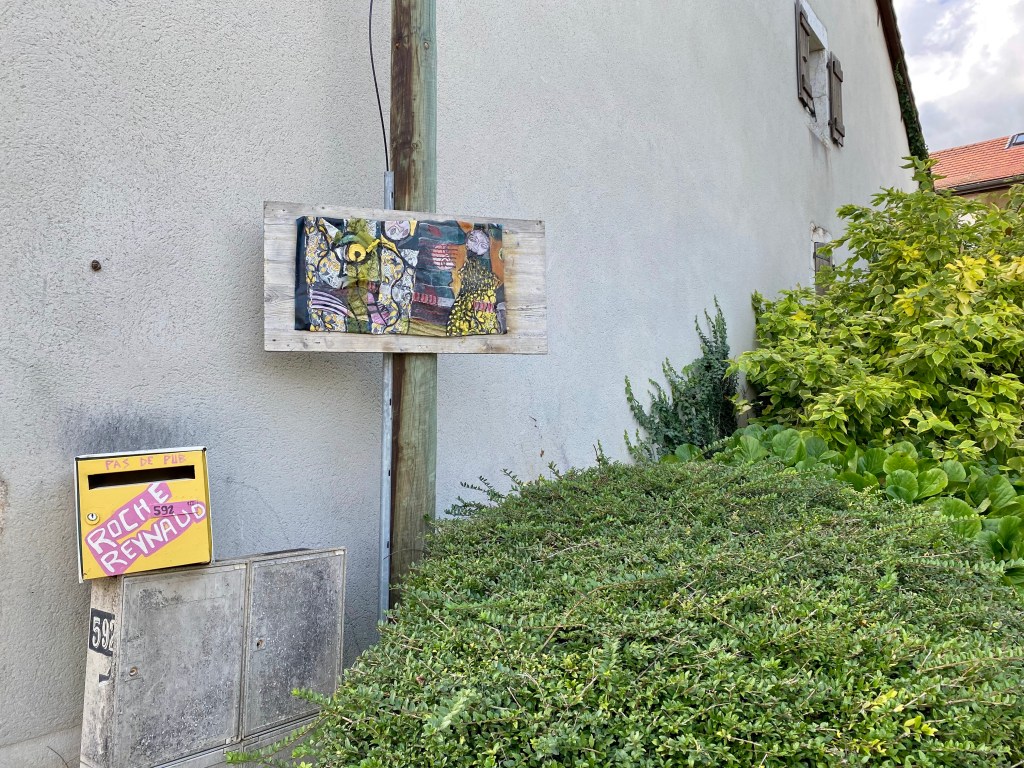
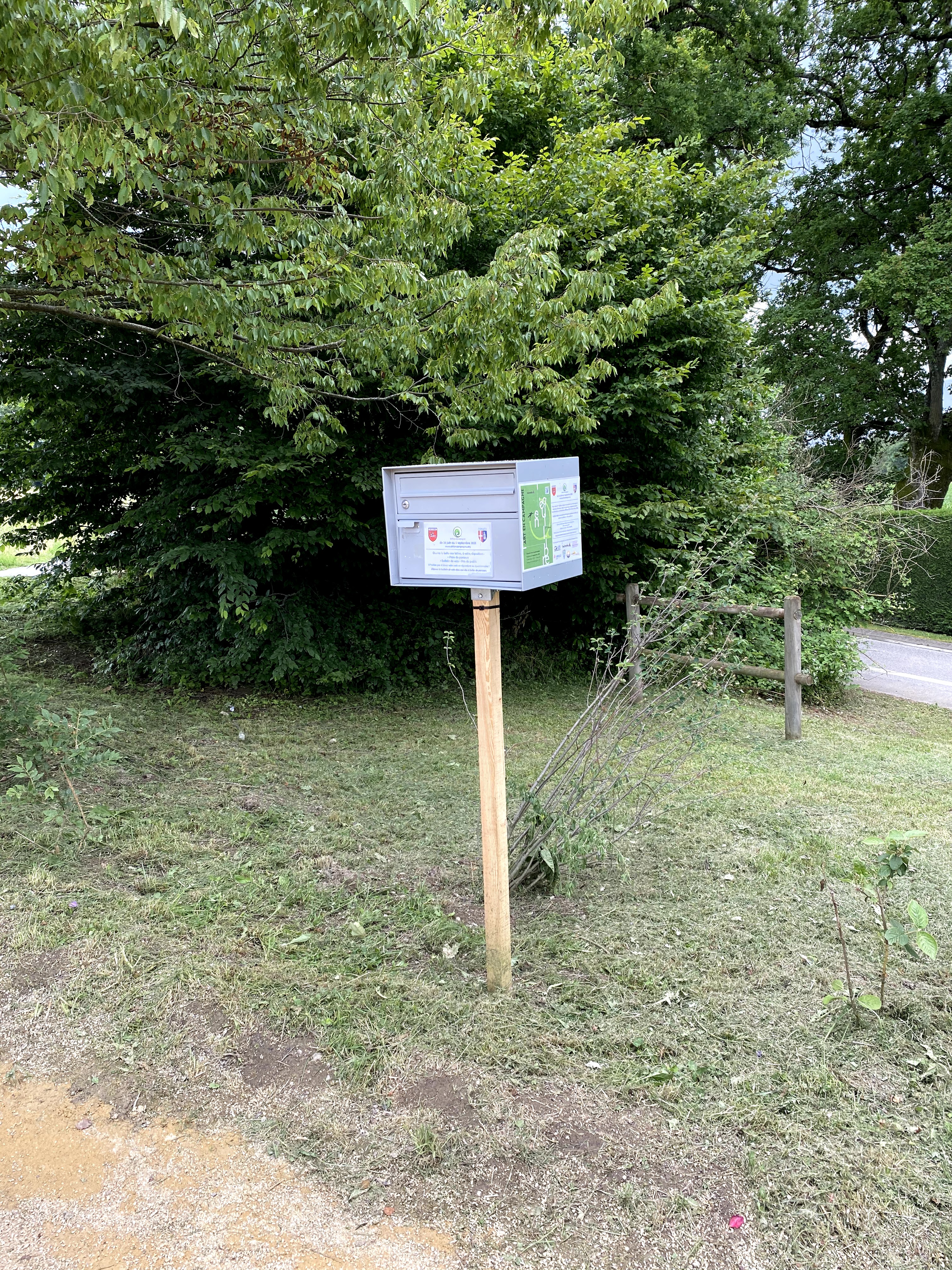
For the 2021 edition, the trail has no less than 47 installations along the short trail. You can pick up a map from one of the many mailboxes that have been put up.

You can also vote for the installation you liked the most. The voting can be done online or by using the sheet you will find in one of the many mailboxes.

The philosopher Jean-Jacques Rousseau famously said, “I can only meditate when I am walking. When I stop, I cease to think; my mind works only with my legs. I can assure you that on this art trail you will stop. But you will not cease to think. You will look, read, and admire the fantastic installations. The walk will take you around 1 to 1,5 hours to complete, depending on your walking pace and how many stops you make to admire and take photos of the art installations.

The trails are fairly flat and can be enjoyed by old and young. There was a little stretch in the woods that was a little muddy when I did the walk. But I do not think it would be too complicated to pass even if you have a baby in a pram with you.

The walk can be done in both directions, and you can start from anywhere along the trail. There are several parking opportunities on both sides if you come by car. If you come by bus the TPG will take you to Ornex-Prenepla or Ornex-Fruitiere on the French side. From the Suisse side, the 52 bus stops in Collex-Centre and Bossy. All bus stops are just a few minutes away from the trail.

To have a pre-peak at the map you can click here.

Enjoy the art and the walk, and feel free to share!
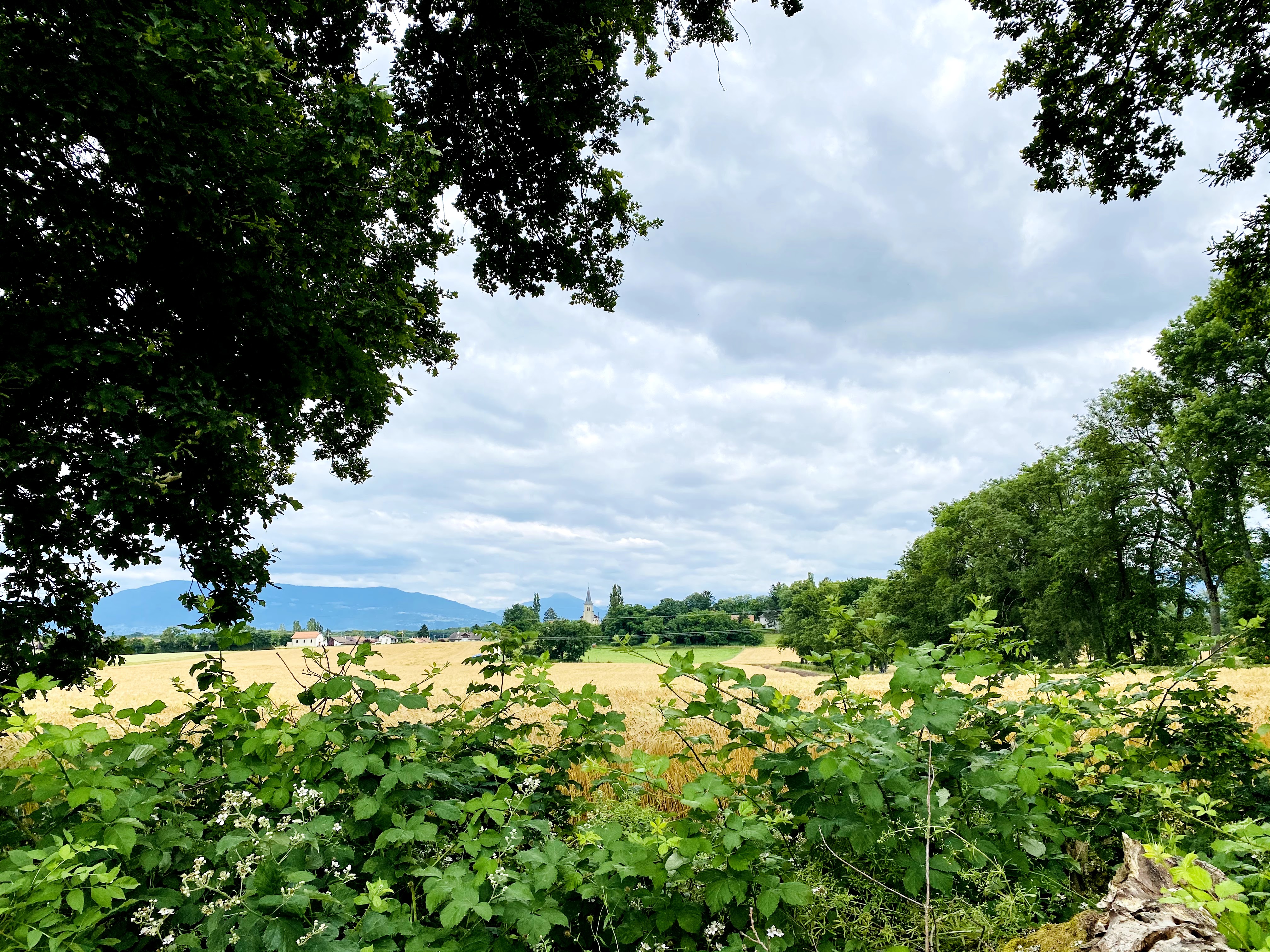
France: Circular walk from Mont Mourex to Mont Mussy

When I was a newcomer to the Pays de Gex, this walk was the first I tried.

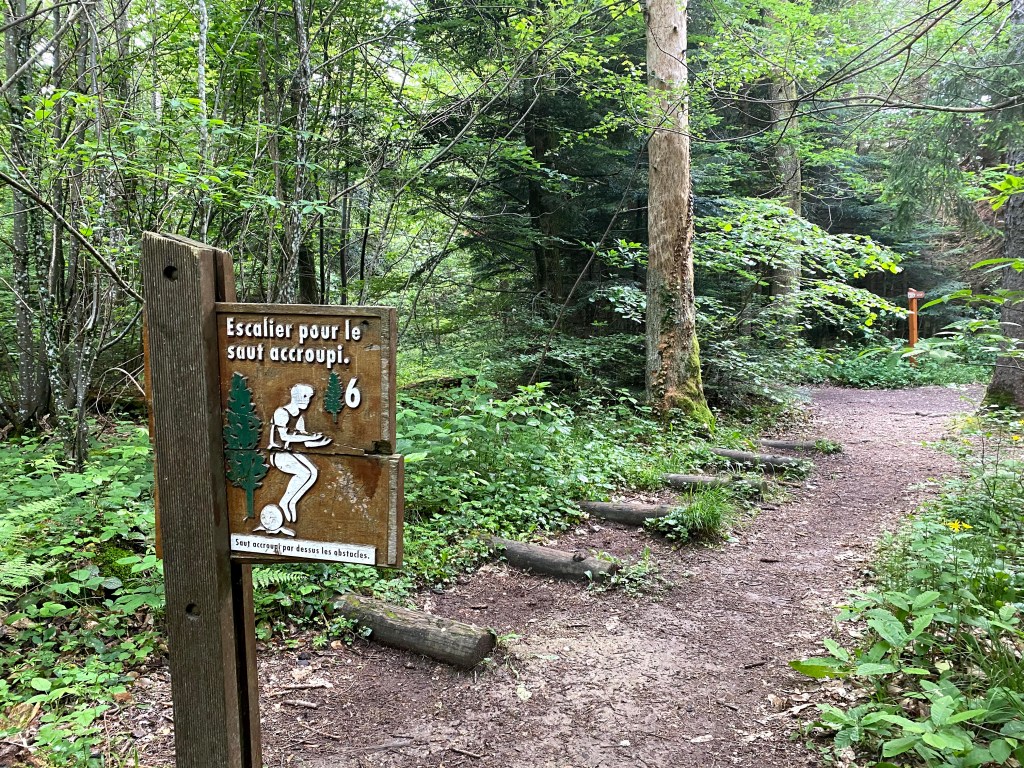
I see that whenever people ask for suggestions, this walk is always the first to be mentioned. Once you have been to Mont Mourex, you will understand why. Apart from high altitude I think it covers everything: forest, open pastures, and a superb view of the lake. You will also find an exercise circuit trail and special paths for mountain biking.

Doing the full circuit walk will take an adult not walking too fast just over an hour.

This walk can be done the whole year around. Over the years I have done this walk in the summer, spring, autumn, and winter. The track tends to get muddy so I will avoid putting on my newest white shoes unless you do the walk in the middle of the summer when the weather has been good for a while and the ground is dry.

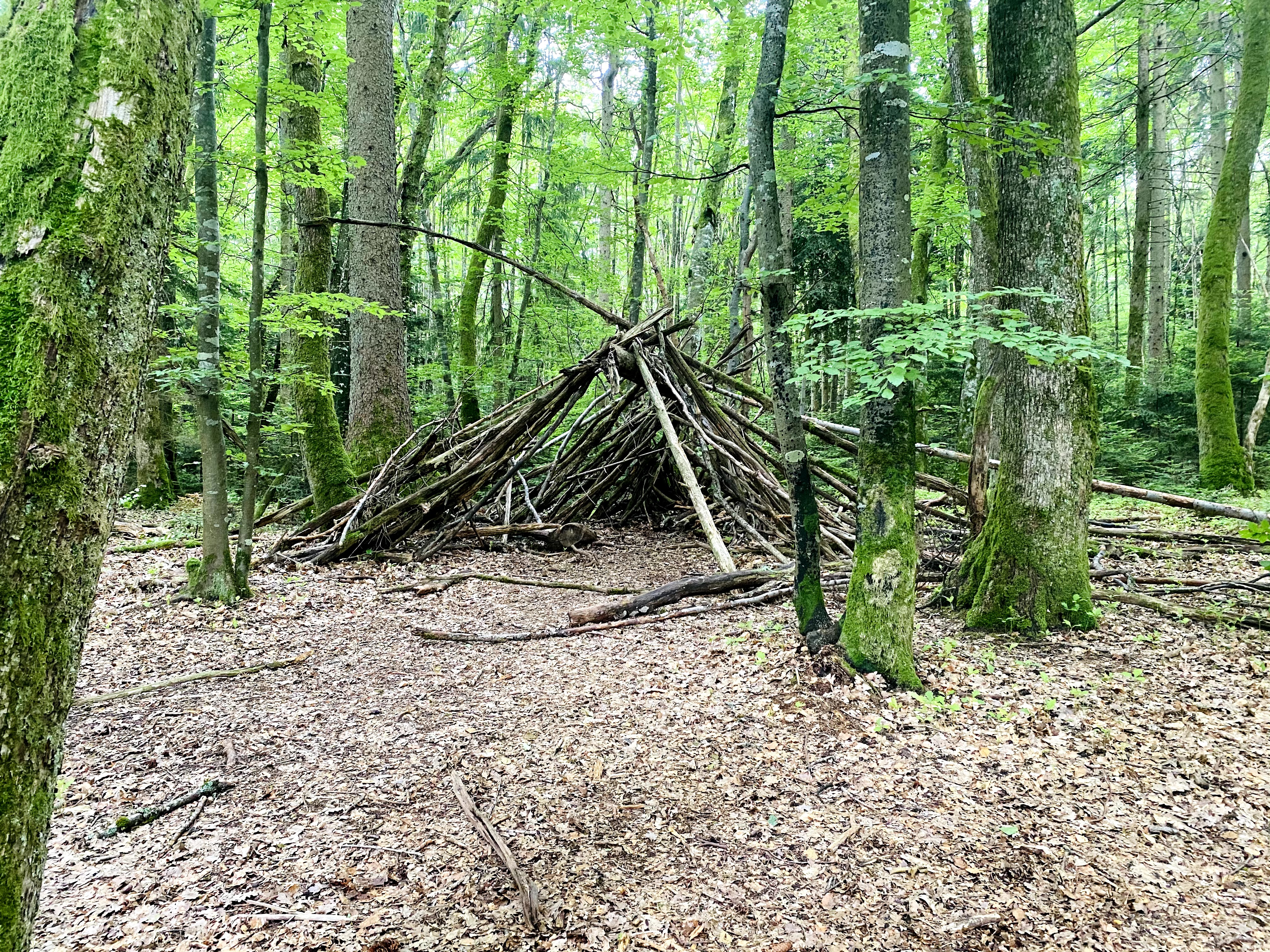
When my children were young, I sometimes brought them along with friends to play in the forest on a hot summer day as a change to going to the pool. Being sheltered in the forest, they would play for hours in a hut made by branches and make animals from pine-cones.

You can start this walk from the Divonne side (Mussy) or from the Mourex side. Both sides offer plenty of parking possibilities. I always start this walk from the Mourex side. This is mainly because Mourex is closest to where I live, but also because Mourex village is so beautiful. Driving up from Grilly, turn right when you see the big iron cross. Then follow the sign to Mont Mourex. Go slowly with your car the last hundred meters; the last stretch is very bumpy. If you start from the Divonne side, just drive up the Chemin de la Ferme Mussy. For exact details see the map at the bottom of this post.

From the Mourex side you start with a very gentle little climb. The total climb for the full circuit is just over 100 meters so fairly flat.

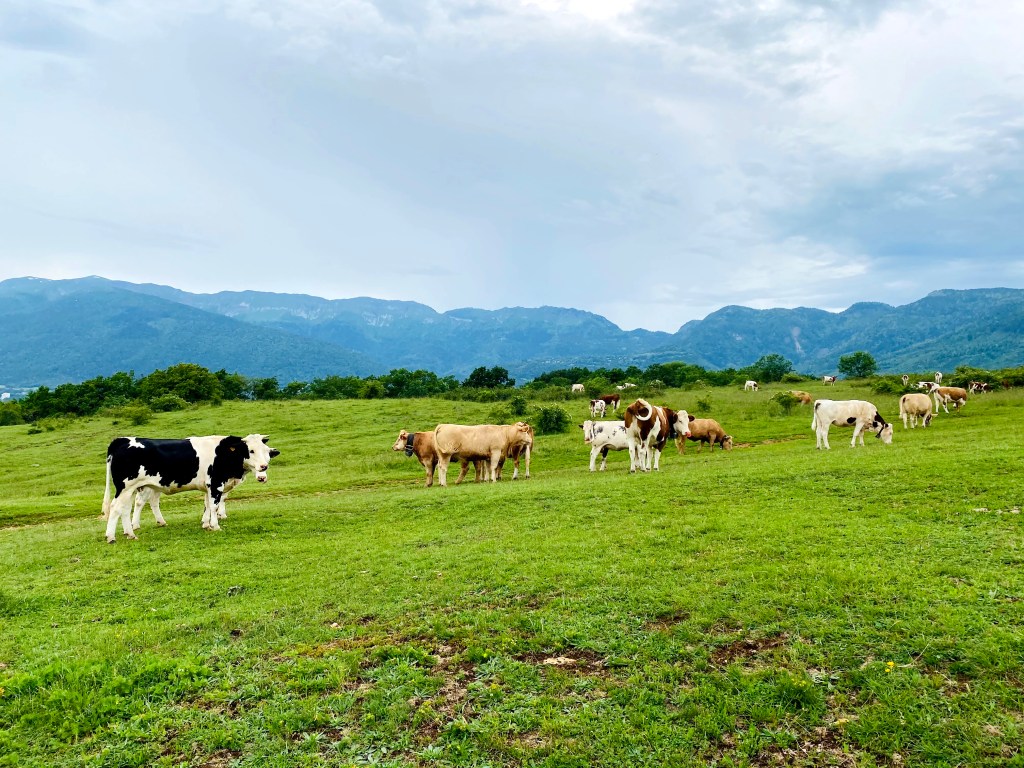
In the spring and summer, you might meet the cows out grazing like I did just the other day.

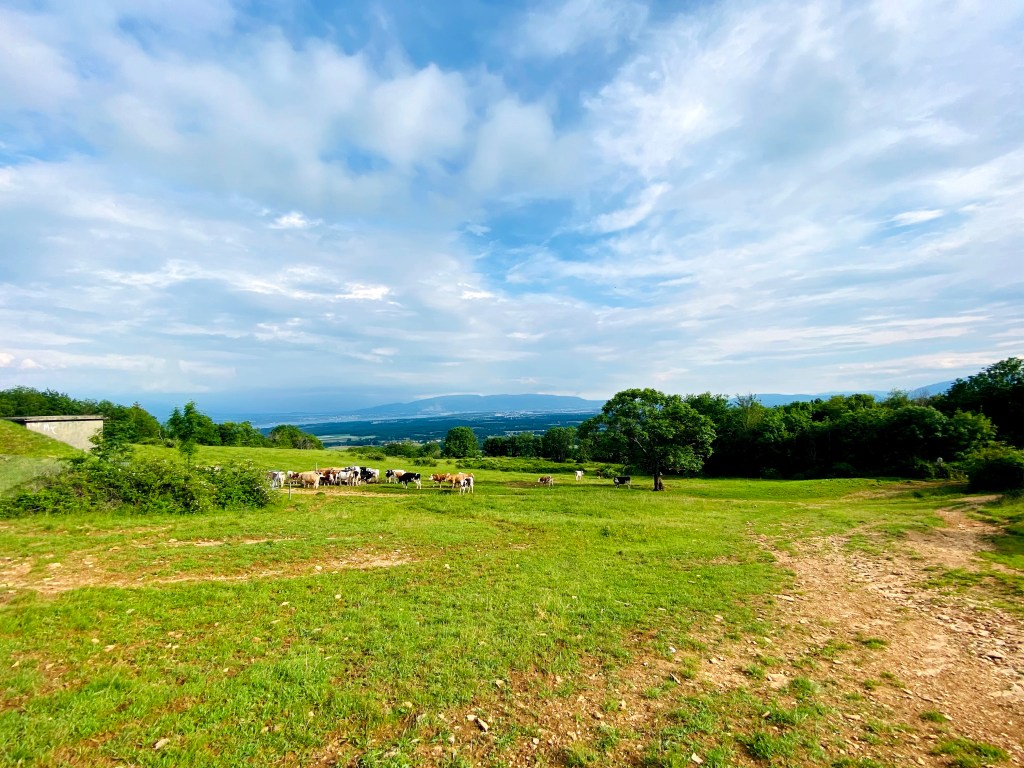
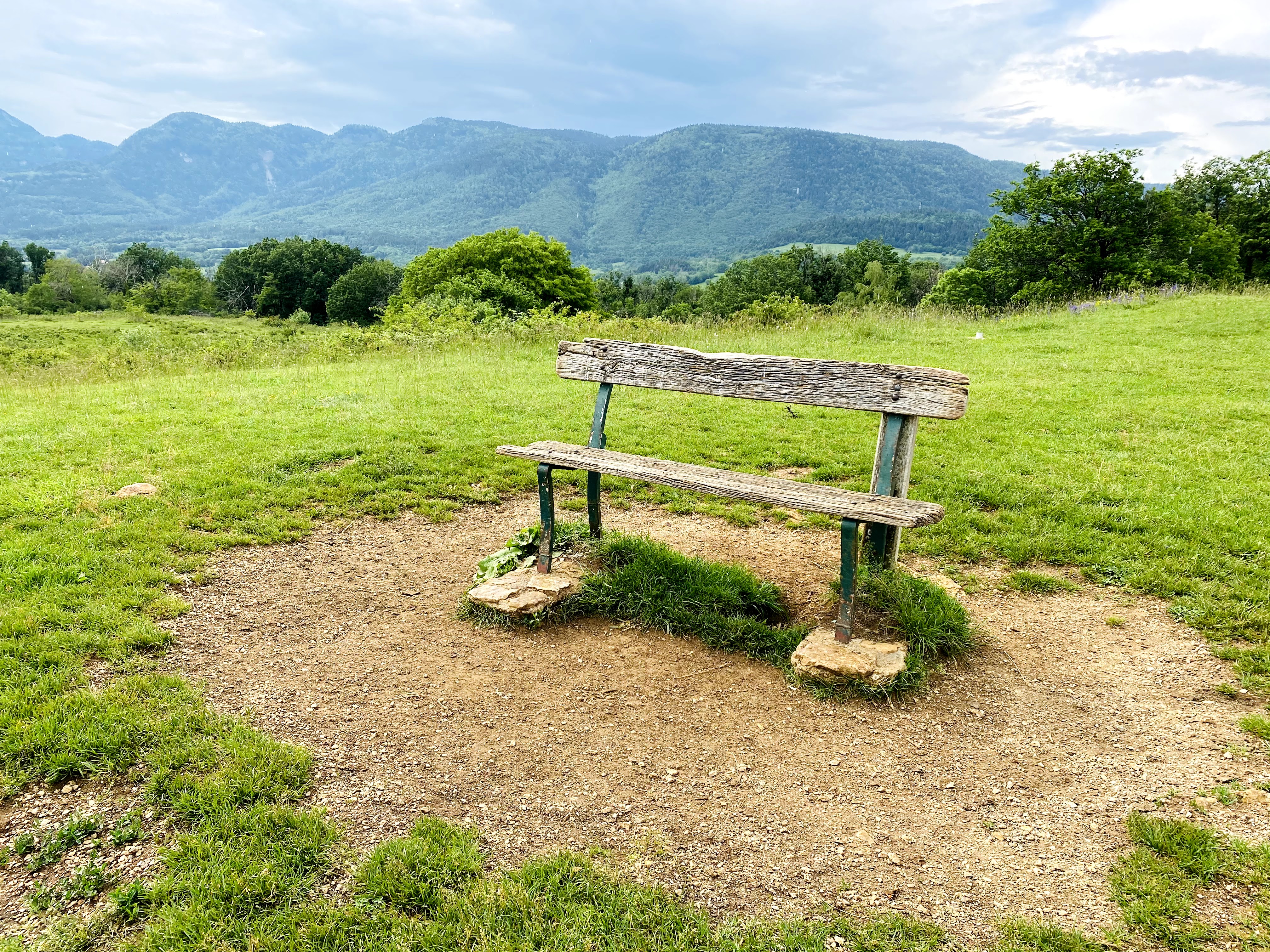
You will quickly reach the summit of Mont Mourex, where you will have a fantastic view on the lake, Geneva, and the Alpes. There is an orientation table put up that will help you locate Mont Vuache, Saleve, and Mont Blanc from all the other hills and mountains in sight.

Close to the orientation table you can see a menhir stone. Facing Mont Blanc, it would have been a place for worshipping the sun. The menhir you can see is believed to have been part of a circular cromlech arranged in a large 47-meter diameter circle. If that is the case, it might have been destroyed at the beginning of the 20th century when a signal for the geographical service of the army was constructed (P.Delacretaz,Pierres mysterieuses,page 113).

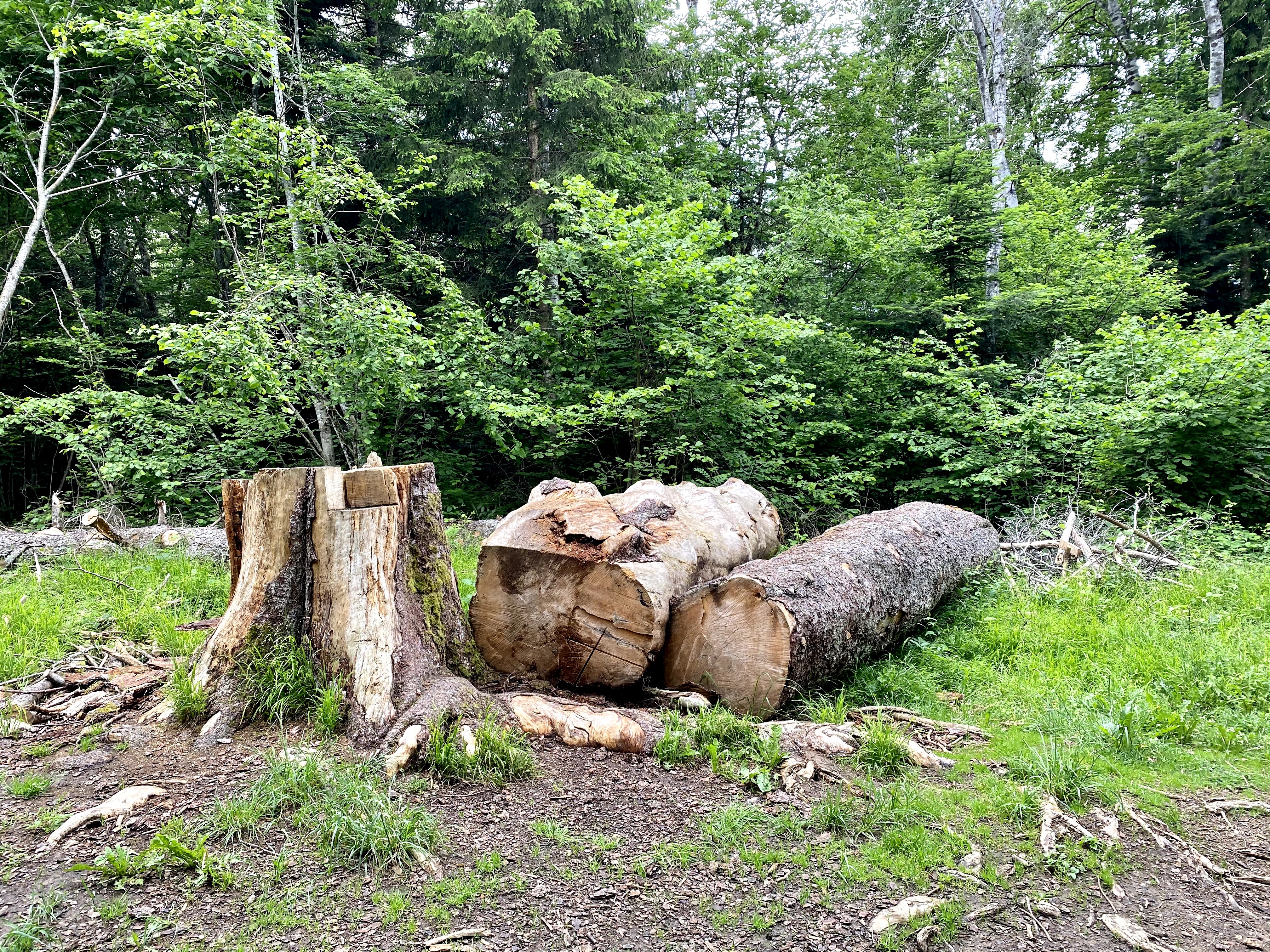
Communal wood harvesting dates back from the Middle Ages where the Lords would grant village residents the right to cut down trees to use for firewood. On your walk through the wood, you will see that forest workers have cut down and stacked up a lot of wood. To keep the forest healthy, early thinning creates tougher trees that can endure climate change. If the forest is too overgrown the threes can get “stressed”, and stressed threes are more susceptible to droughts and insect attacks. Today, this work is done by professional workers from the National Forest office.

With the wide tracks which are well marked with signposts you should have no trouble find your way to the other end of Mont Mussy whichever parking you chose to use as your starting point.

Enjoy your walk, and feel free to share!
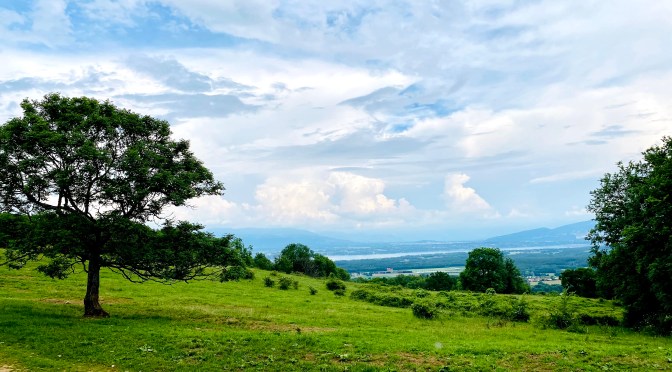
Switzerland: Museum to Museum in Geneva, Switzerland

Museum to Museum, a different Sunday walk in Geneva

On those days where you don’t want to travel very far, a walk around the city can be a good way of getting some fresh air and exercise. To add in a history lesson or two is just a bonus.

I came across the Geneva Culture Trails last year when I picked up a leaflet just before the pandemic closed our borders between France and Switzerland. Since Geneva was out of limit for those of us living on the French side, I forgot about it, but still kept the leaflet because I still hoped to use it one day.

The Canton of Geneva has done a really good job mixing walking with culture and history. There are several trails available to download or you can pick up their respective leaflets in many local museums. The best part is that you can also install an app on your phone that will explain the sights you pass on your walk in English. You can find and download the app by searching for Geneva Cultural Trails in your preferred app store. Each audio explanation of the different sights that you walk past is two to three minutes long. Listening to these on your phone while you observe whatever is being explained with your own eyes makes the whole experience interactive, fun and educational.

The different walks take you around the United Nations area, the old town, and Plainpalais. On my first Geneva Museum to Museum walk I decided to try out the walk that explore the Plainpalais area.

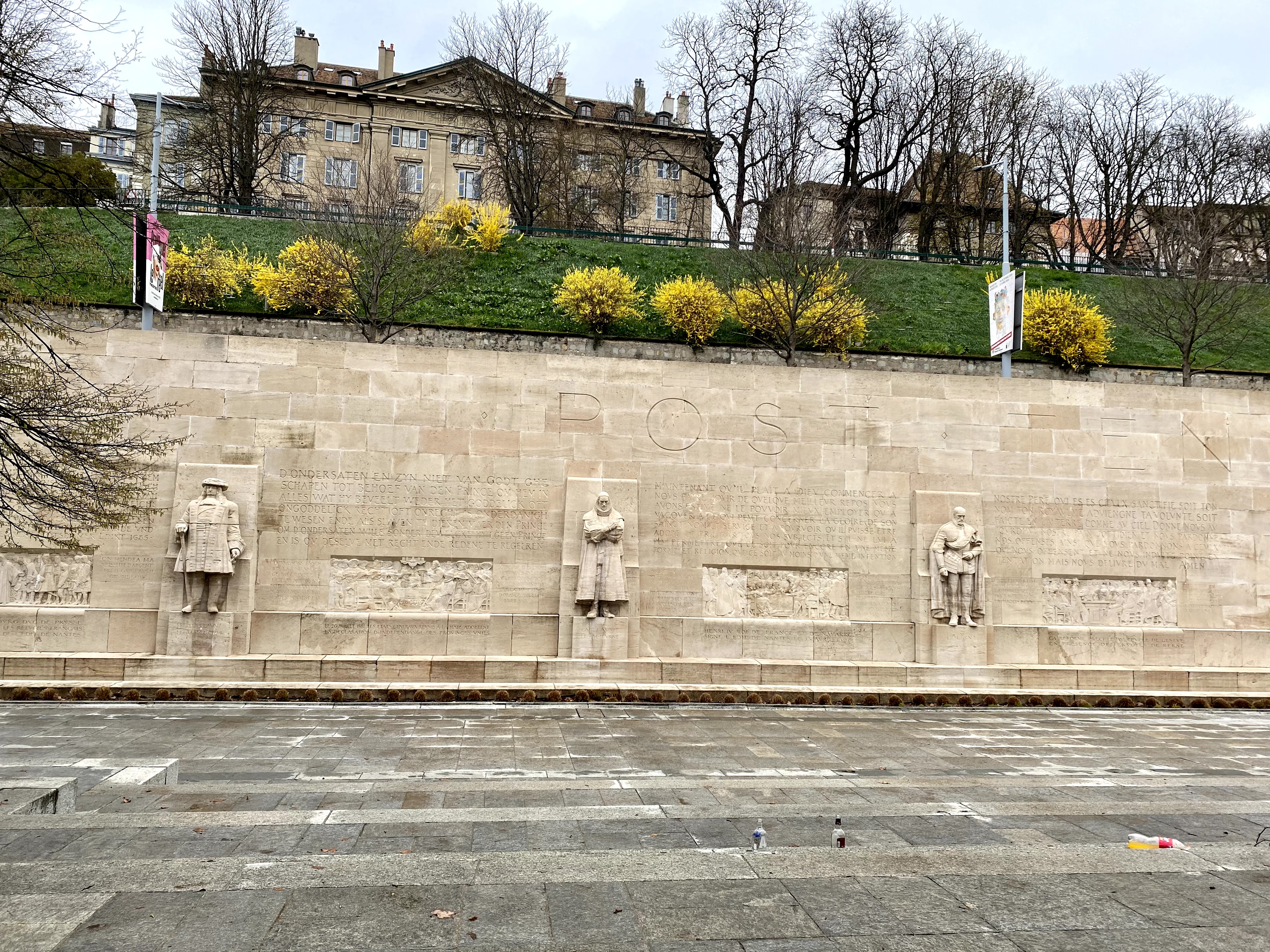
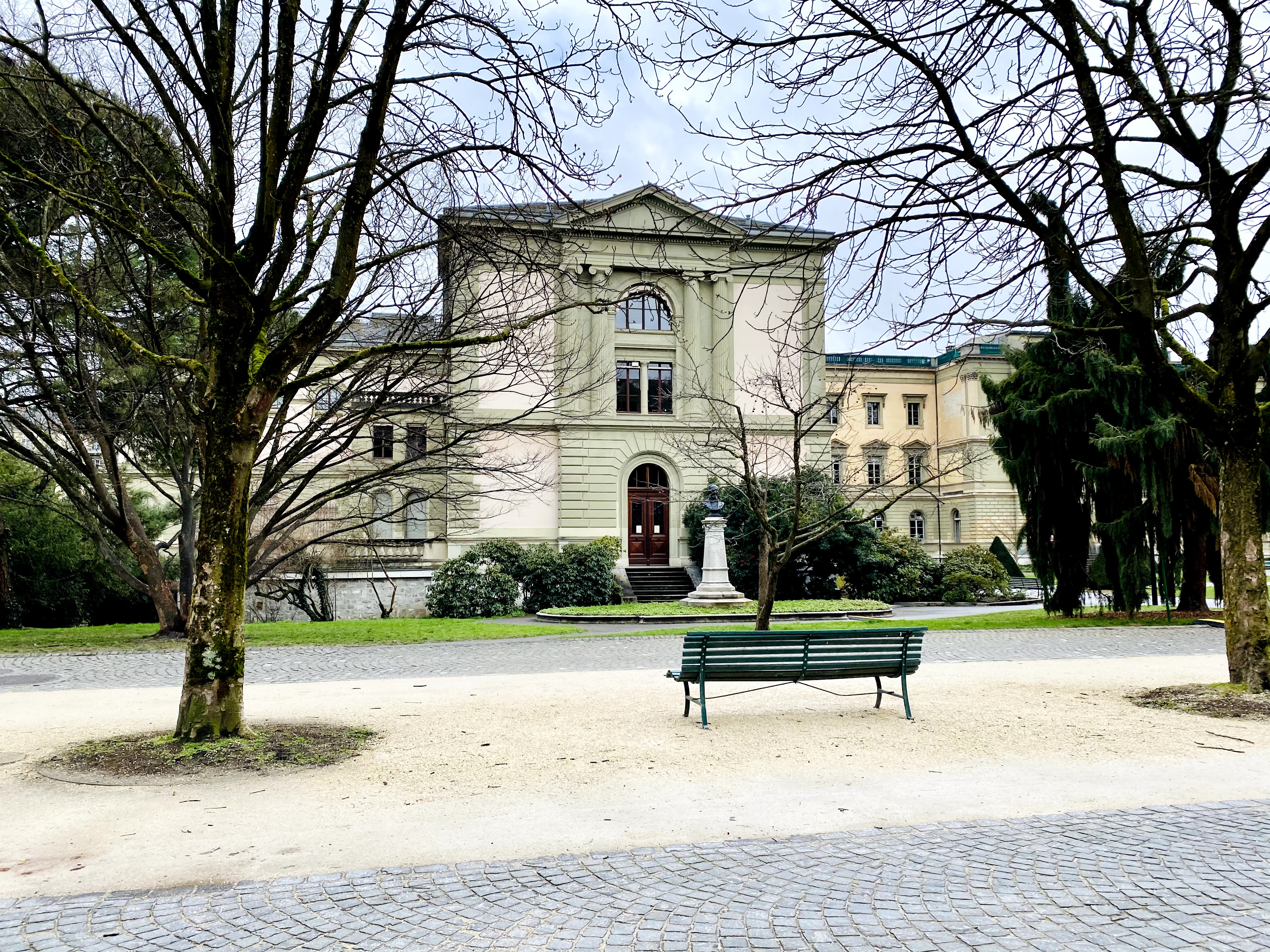
I have been to the Parc de Bastion several times, and it is the starting point of this particular walk. Using the app with explanations in English made me see the Geneva Library and the Reformation wall  with fresh eyes, and it was almost like exploring them for the first time. Even for people living in and around Geneva and knowing the history of the city it must be nice to have a little history lesson every now and again.

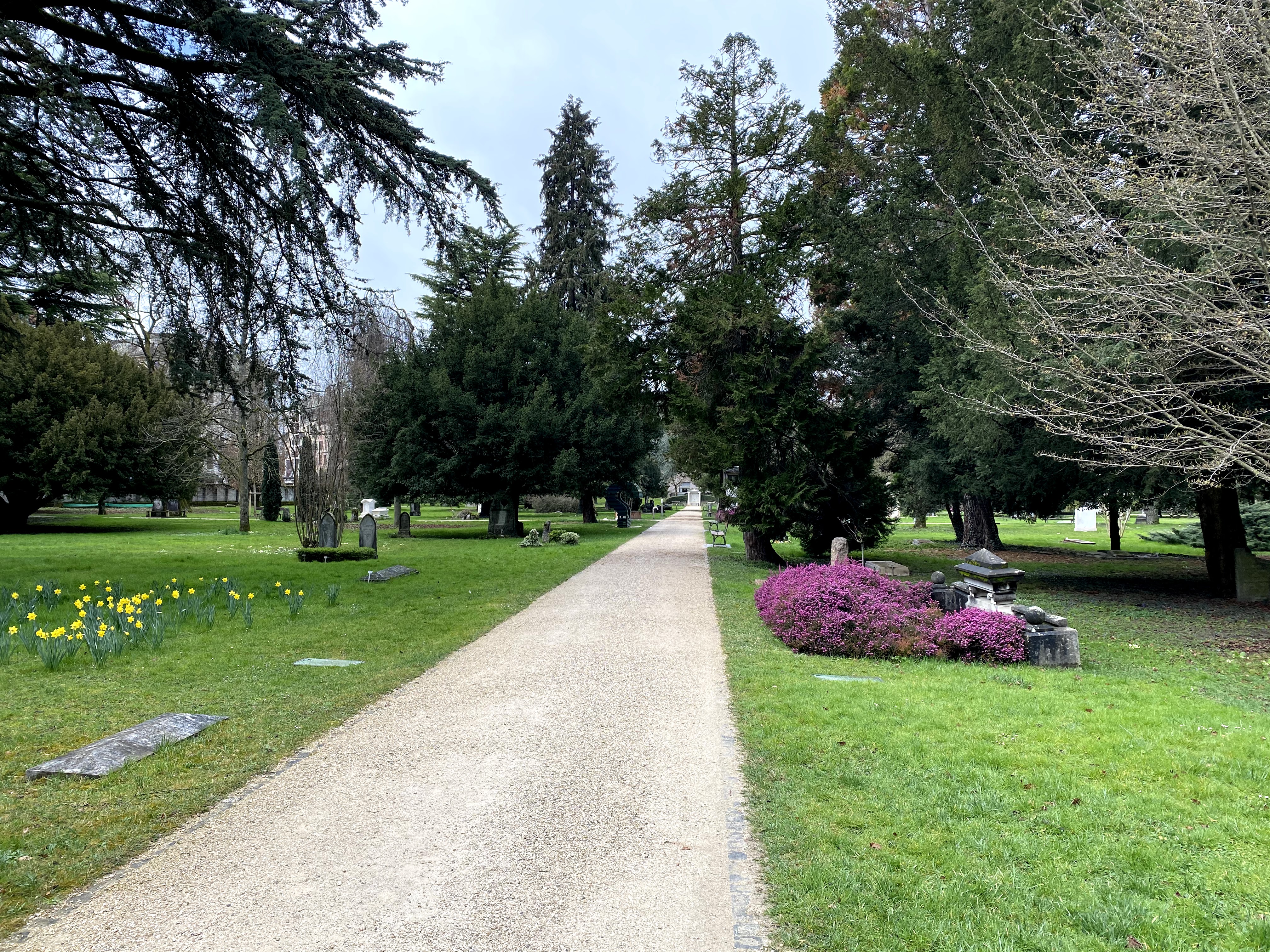
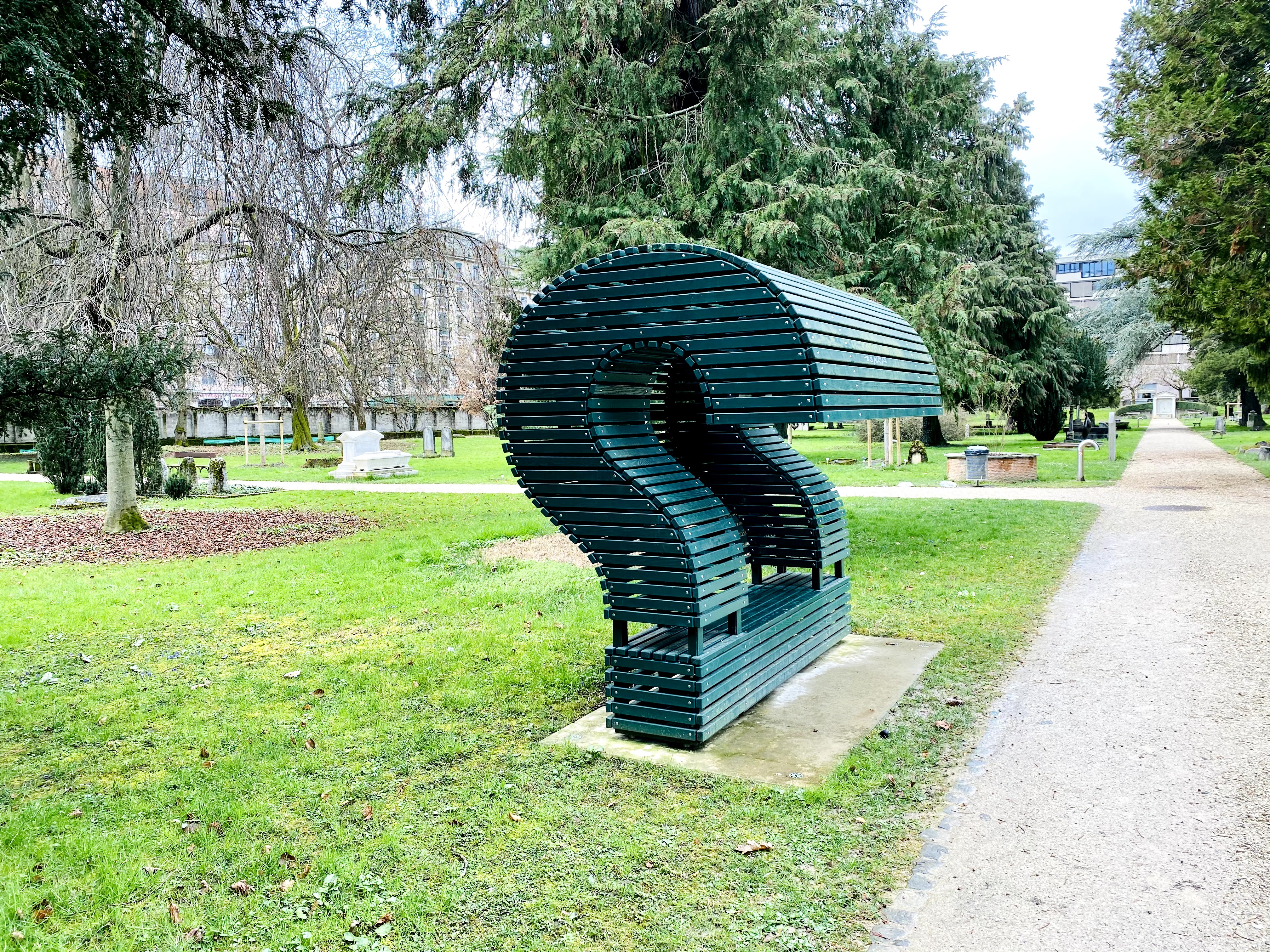
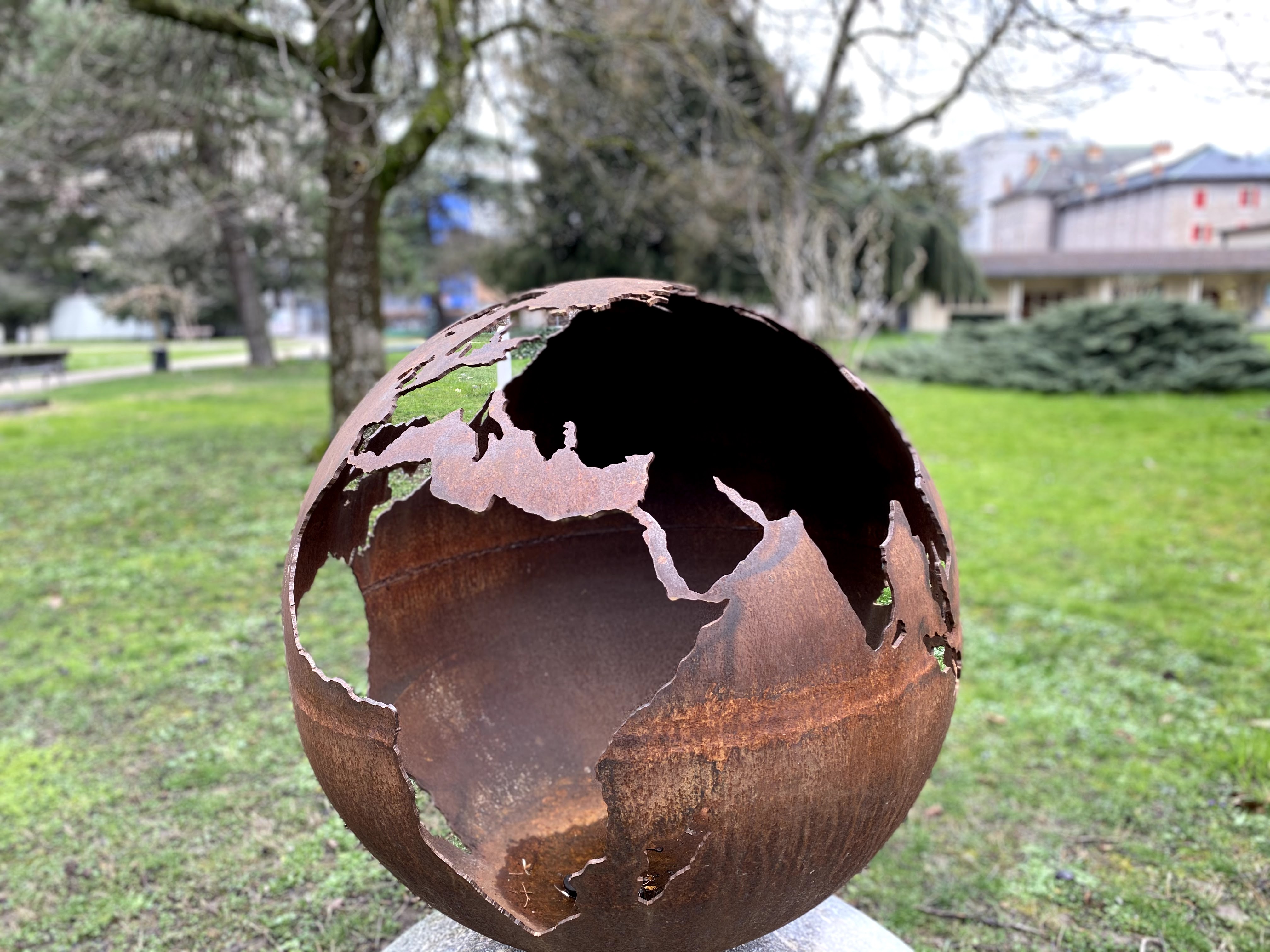
The walks also take you to some of the more hidden parts of Geneva – or at least they were for me. As an example, I did not know about Cimentiere des Rois, which is Genevas answer to the famous burial place Pantheon in Paris. Contrary to Pantheon, the Cimentiere des Rois is outdoors, which make each visit special depending on the weather, season and light. I had to ask my son who has been exploring Geneva with his friends for years if he knew and had visited this extraordinary place. He had not, so I assume this is a hidden treasure a little outside of the more known tourist areas.

Along the way was a museum I had no idea existed, The Museum of the Fire and Rescue Service. I wish I had known about this when my son was younger. Along with the Natural History Museum, I’m sure this would have been a favourite.  My son is a young adult know, but as a good mum I will take him with me to explore this Museum next time he comes home. It is never too late to bring your kids to a museum!
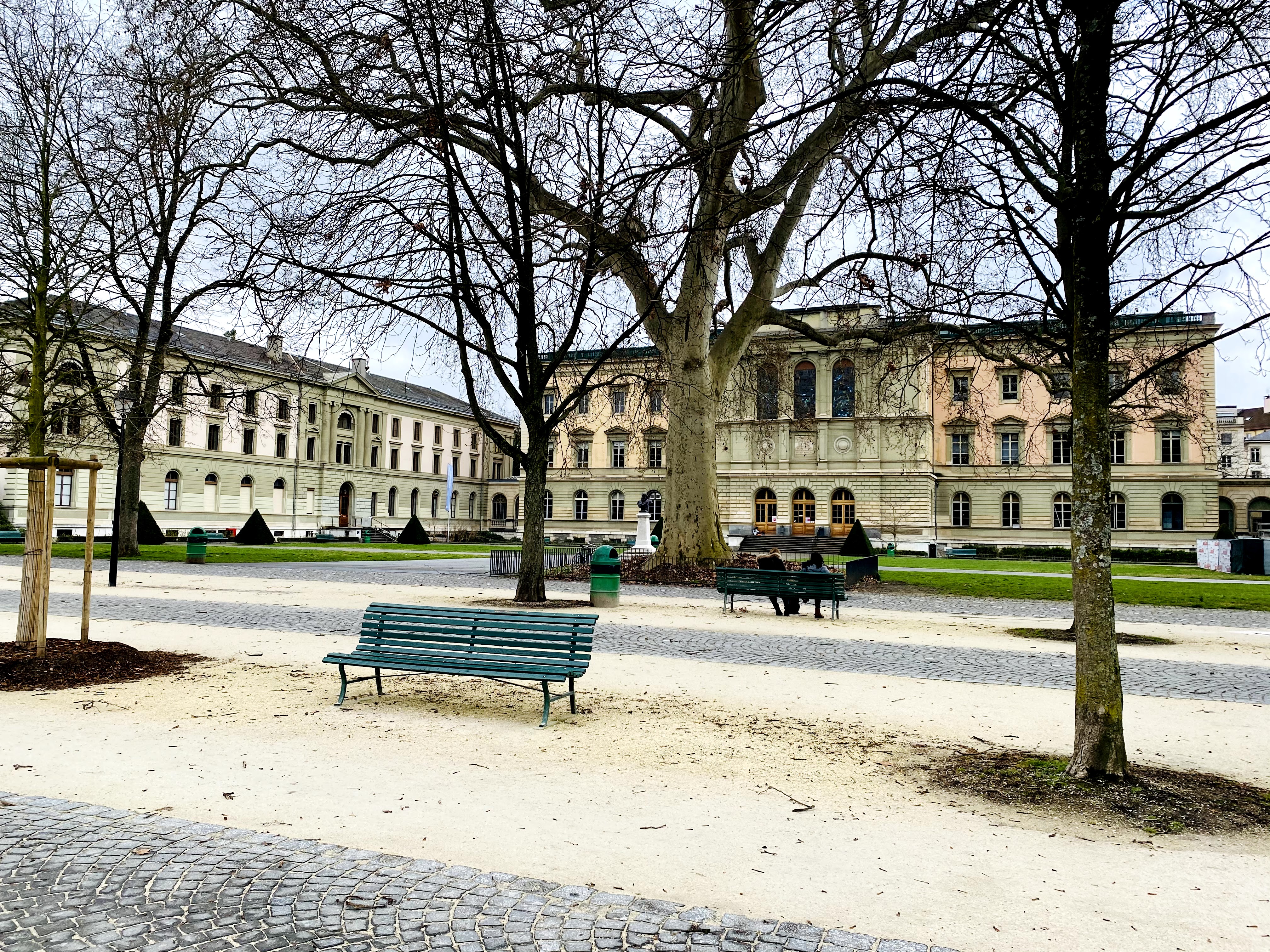
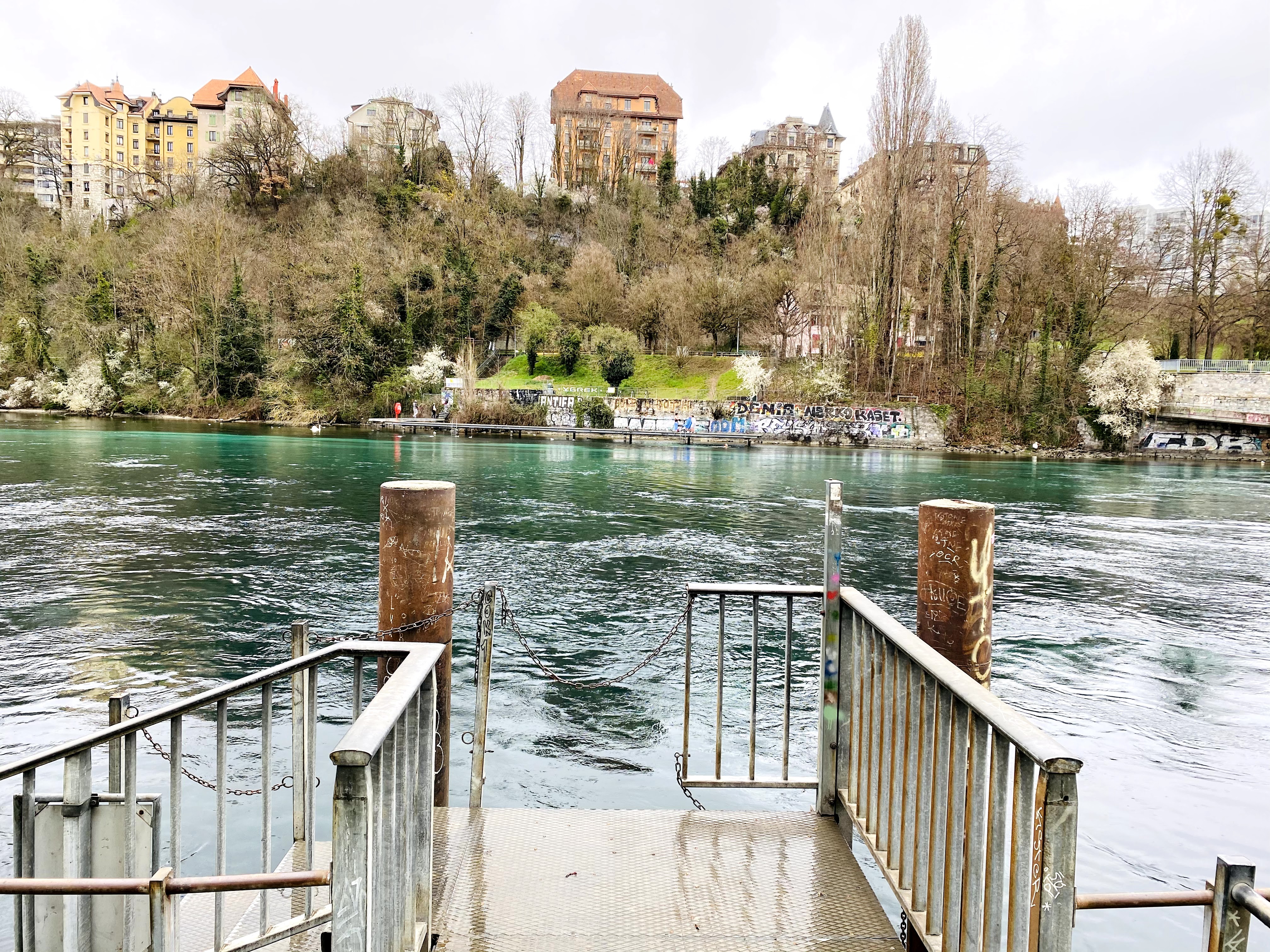
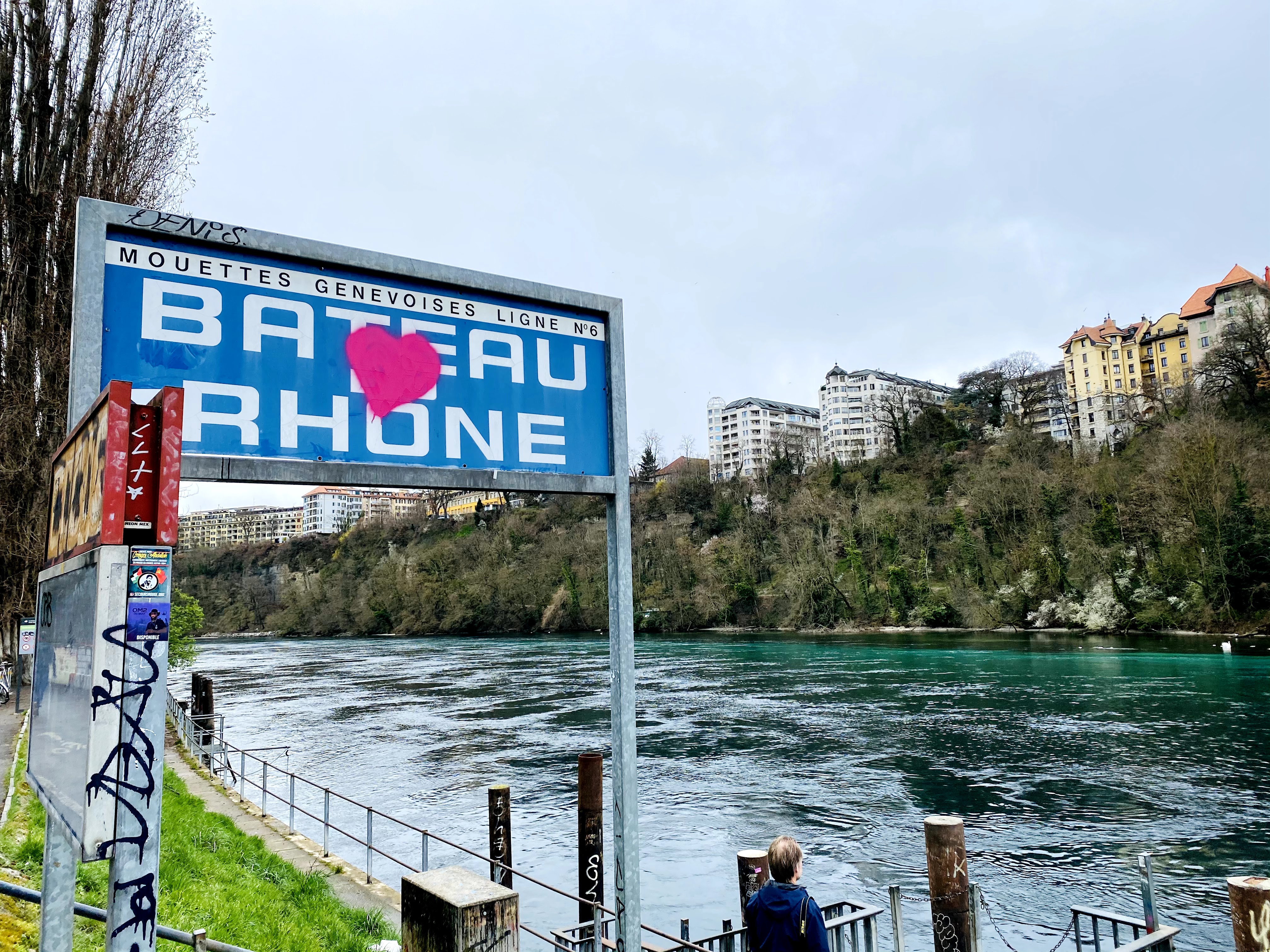
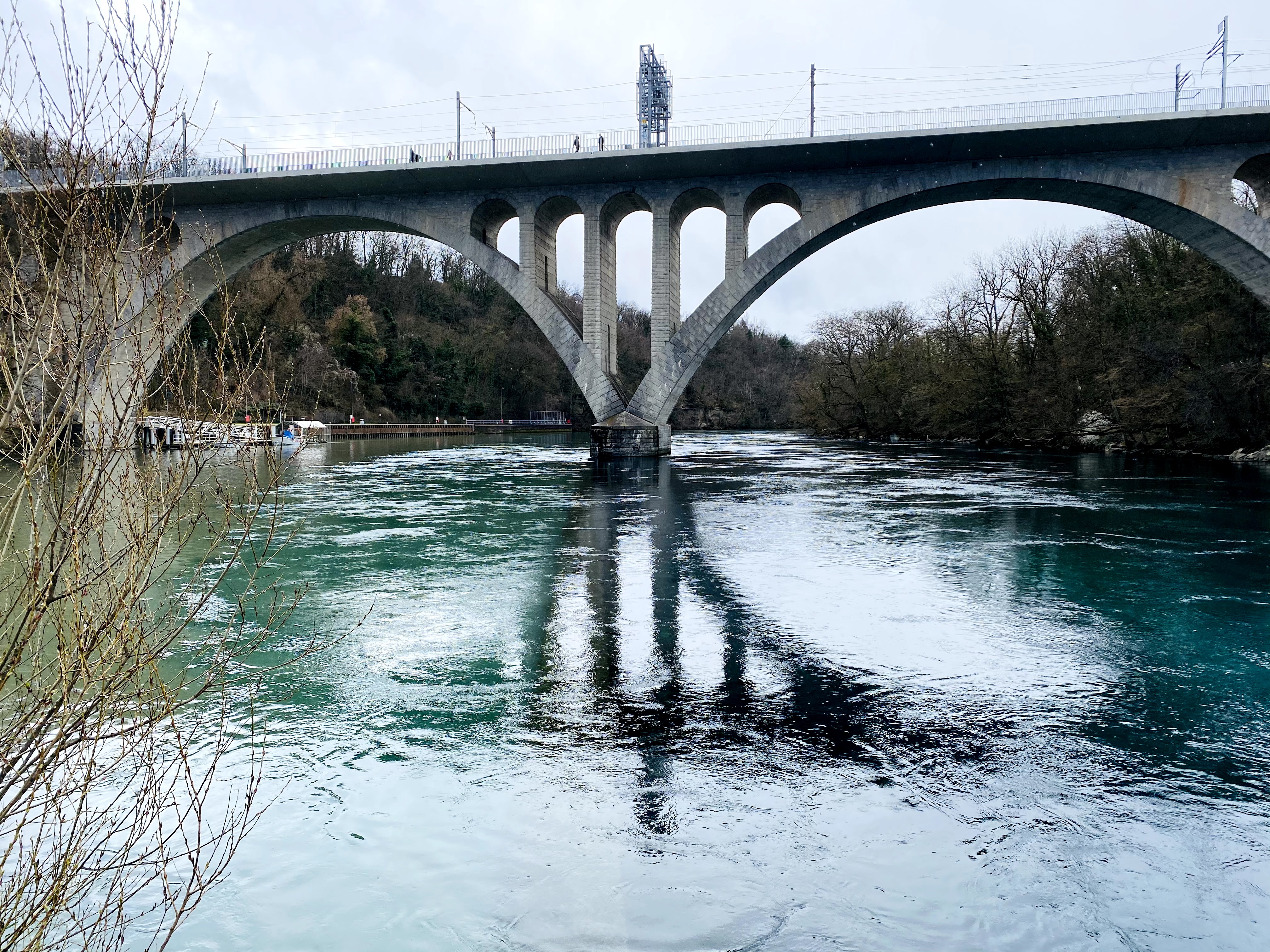
The walk along the Rhone was so nice on this sunny Sunday, so I deviated from the marked trail on the map. I walked all the way to La Pointe de la Jonction. Seeing the different colours of the River Rhone and the River Arve is extraordinary. The best spot for seeing the colour differences in the rivers merging at Jonction is the big bridge that you see in front of you.

For those old and young with an interest in trams and buses, you will find the Transport de Geneve (TPG) depot interesting. You won’t be allowed to enter, but you can walk past the huge garages they have for trams and buses and peek at them through the windows.

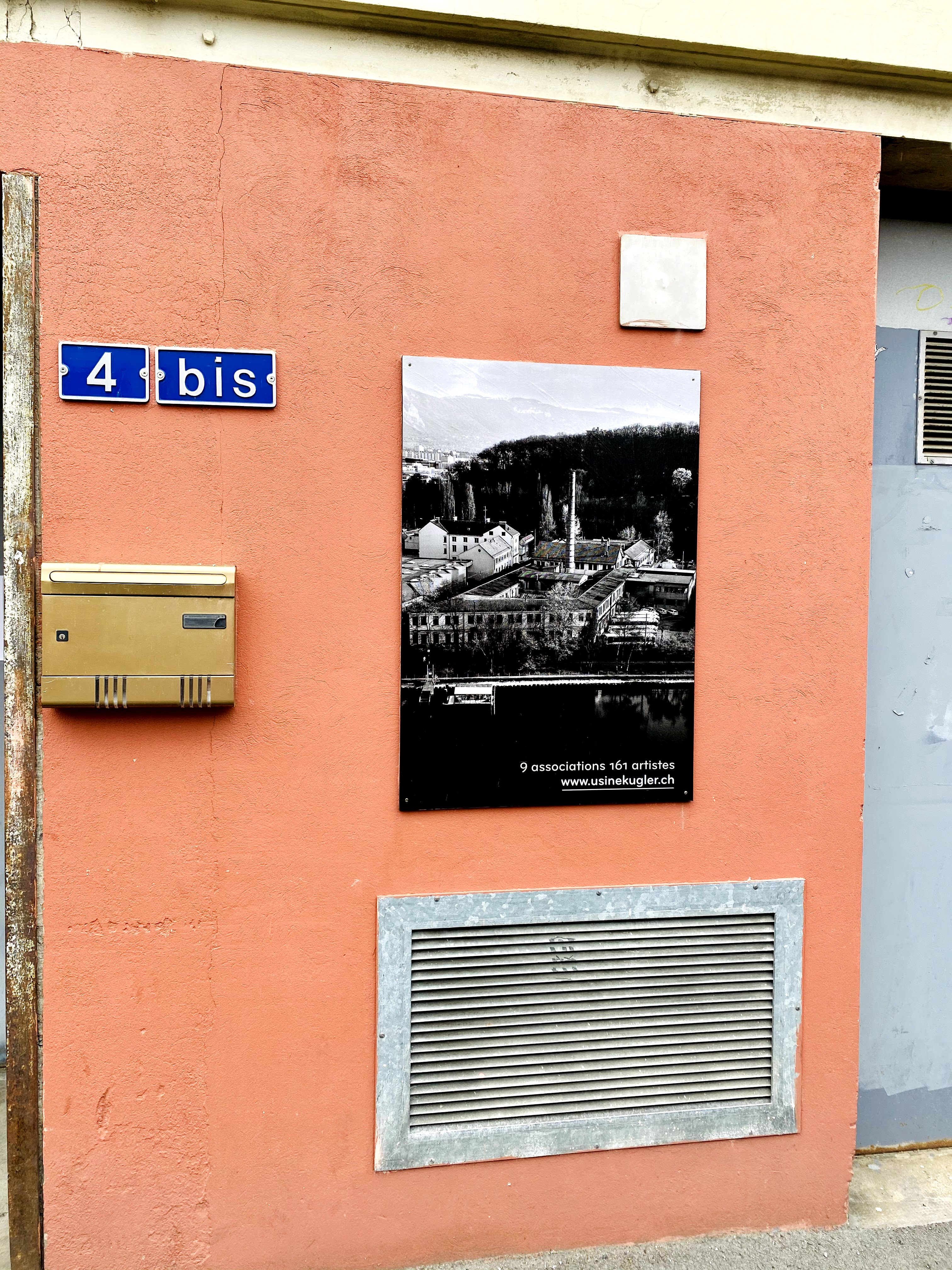
Just around the corner is the Usine Kugler, which is an old faucet foundry turned into a Gallery for visual arts. Since the opening in 2011 over 400 artists have had this old faucet foundry as their workplace. Usine Kugler is the place to look for art exhibitions, festivals and workshops for both children and adults, especially when Covid is over, and we get back to a normal way of life.

Back on the marked trail all museums are open, but there is a limit on the number of people allowed inside, so for the moment be prepared to line up, be patient, and keep your distance to people that are not part of your cohort.

The market stalls selling food and clothes on Sundays were still in action at Planpalais, but maybe not in the same numbers as would be normally.

Enjoy exploring Geneva!