Tag Archives: pays de gex

France: Walking from Gex to Creux de l’Envers

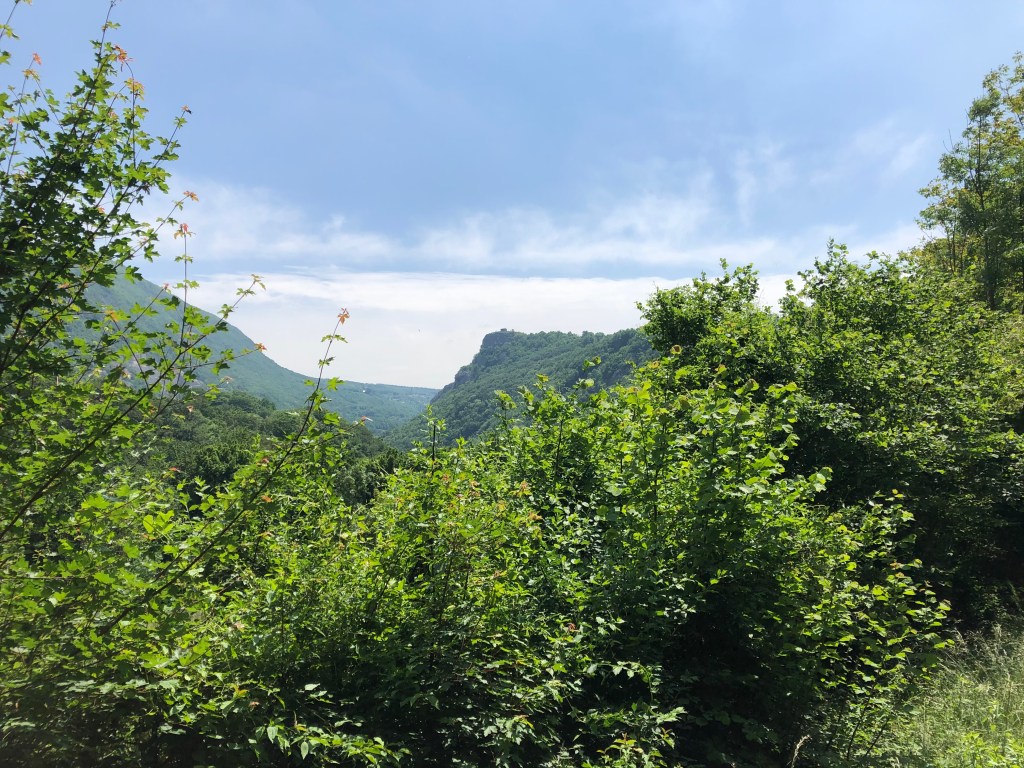
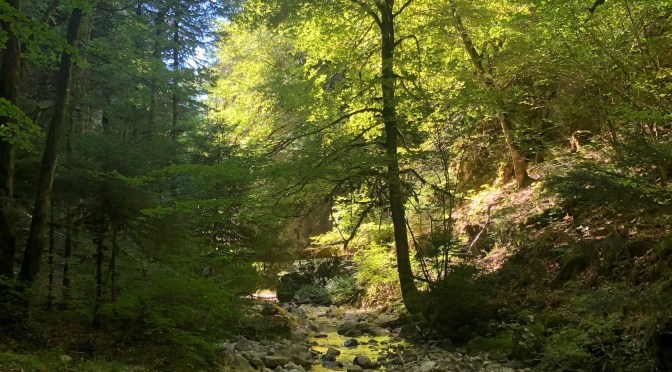
This is a walk that can be done almost the whole year around. In the springtime it is impressive to watch the quantity and speed of the water. In the summer it is nice to have a walk in the shadow of the threes, and in the autumn the colors are impressive. You will find the map at the bottom of this post.
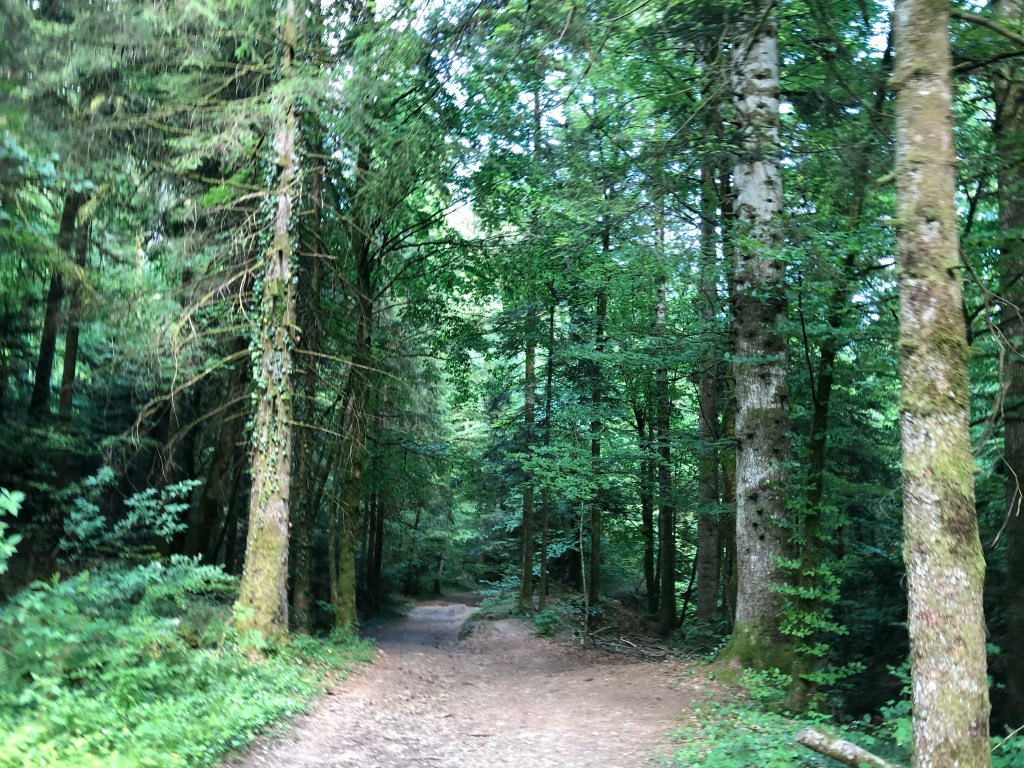
Creux de l’Envers translates into English as a V-shaped north-facing riverine valley.

Did you know that Gex has the largest community forest in the Ain department with 1770 hectares?

Most of the forest, 1640 hectares, is a productive forest, and a small part is protected.

We depend on forests for our survival, from the air we breathe to the wood we use. Besides providing habitats for animals and livelihoods for humans, forests also mitigate or prevent the impacts of natural hazards. The protected forest is usually kept that way for preventing such things as rockfalls, avalanches, erosion or landslides, that otherwise might affect people or assets.

In recent years the climate has become much dryer and significant lack of water can cause stress on the trees. The lack of water can cause the trees to weaken, which will make them much more vulnerable for insect attacks, diseases and death. The forest workers are constantly working on increasing their knowledge on how to best protect and maintain the forest against these changes cause by increased temperatures.

Creux de l’Envers is the source of the river Journans that flows through Gex and other communes in Pays de Gex before it ends up in the Rhone and eventually the Mediterranean Sea.

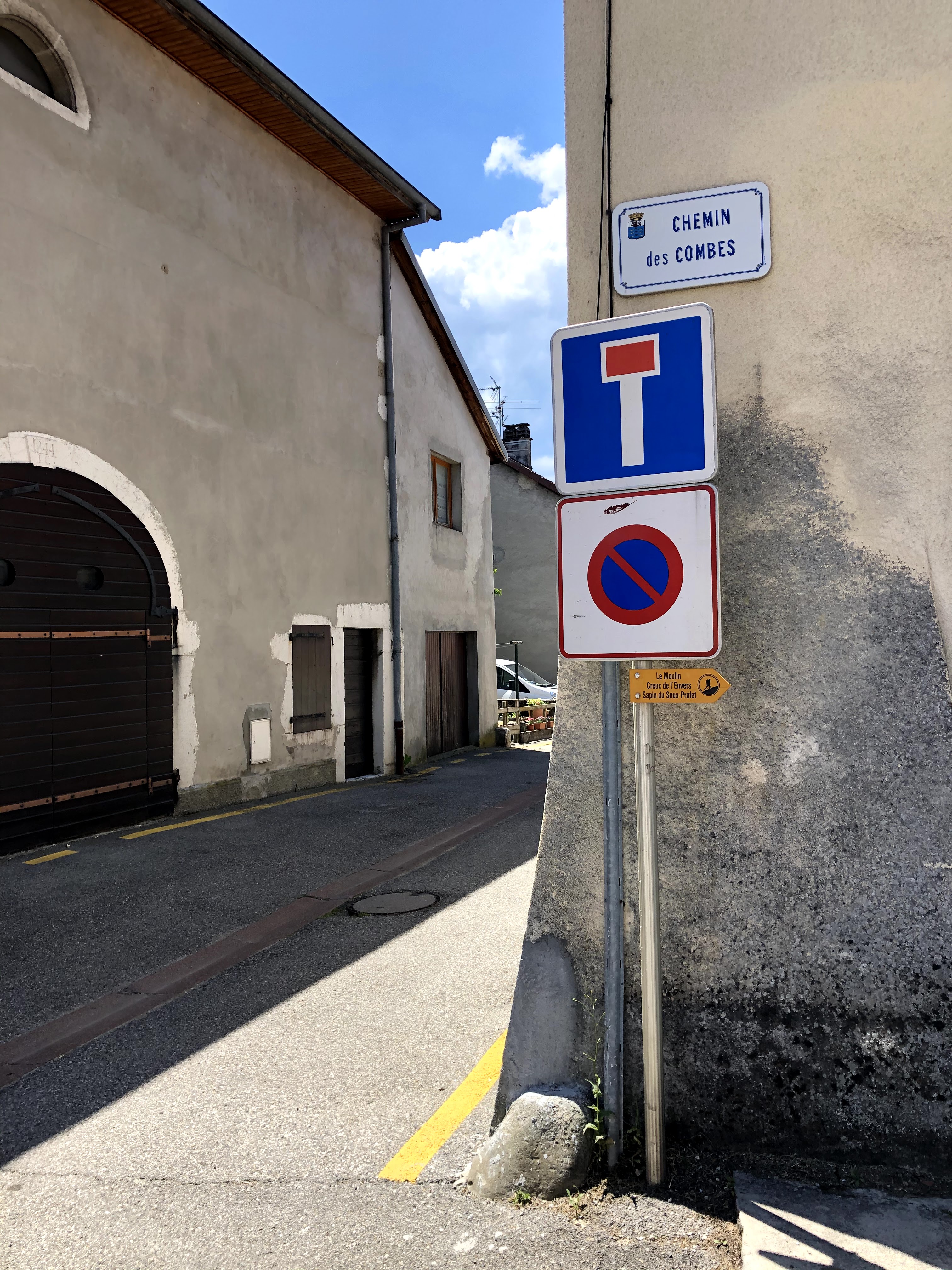
I started my walk from the Place Perdtemps in Gex where it is easy to find a parking spot for the car. If you want to go even further by car you should drive up Chemin des Galas or Chemin de la Noyelle.

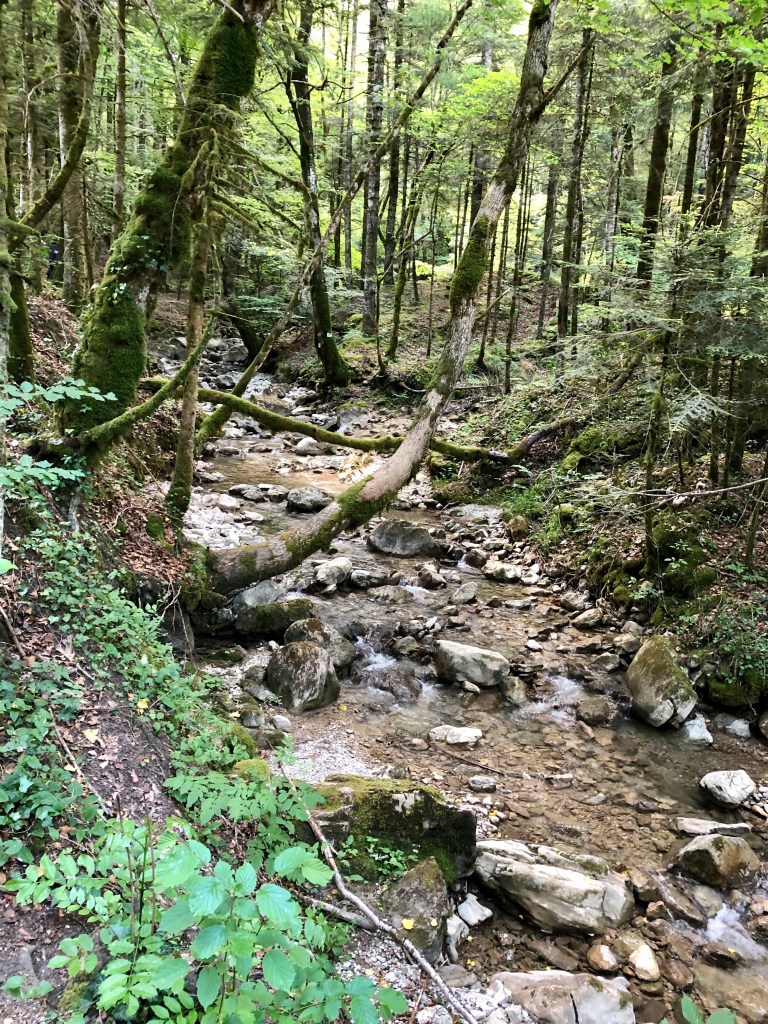
From Place Perdtemps the walk is well marked with yellow signposts. The path is large and even if it goes up it is not hard or difficult to walk.
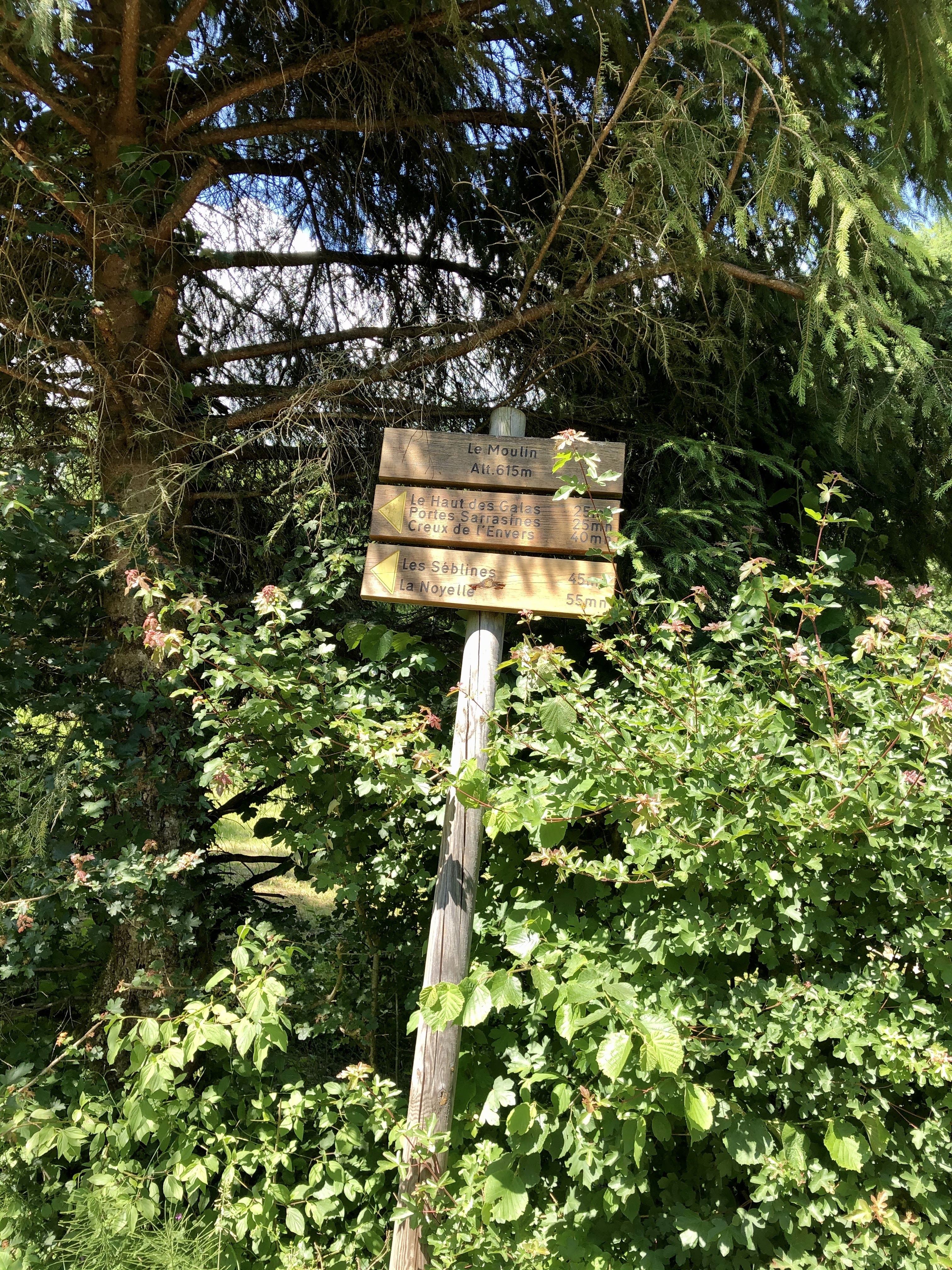
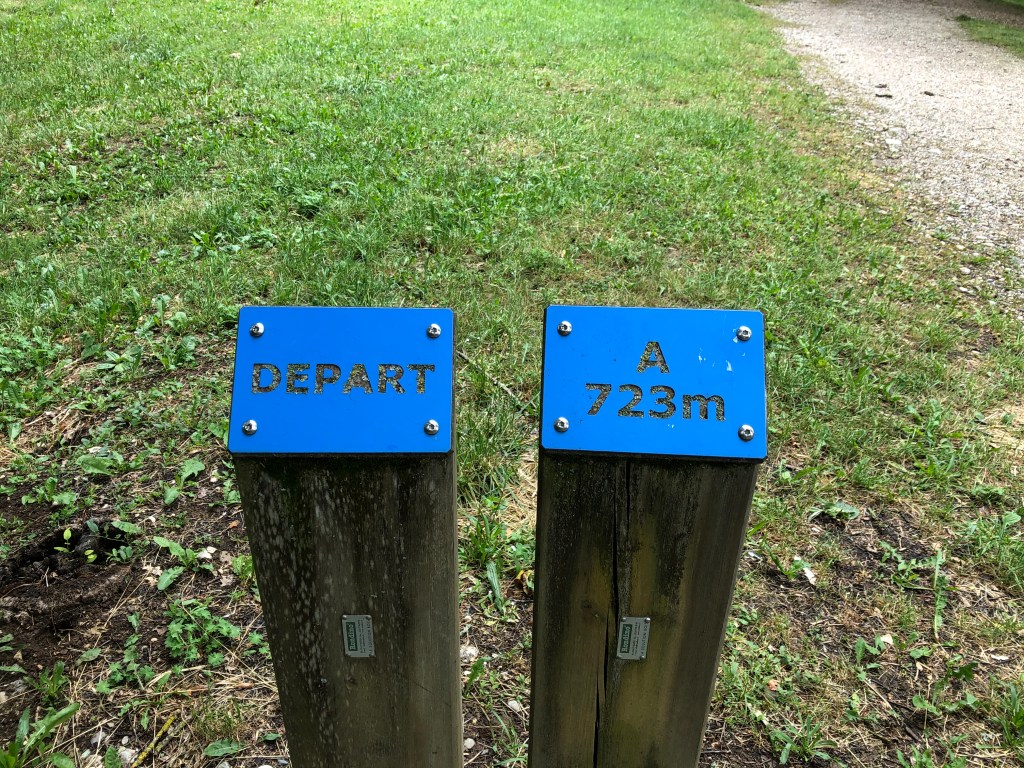
When you reach this signpost:

you can walk up directly or add a little bit to your walk and go past Portes Sarrasines and La Noyelle.

The legend says that the population of Gex came to take shelter behind this narrow gorge during attempted invasions by the Saracens (which was the term used in the middle ages to refer to Arab Muslims) in the 8th and 9th centuries.
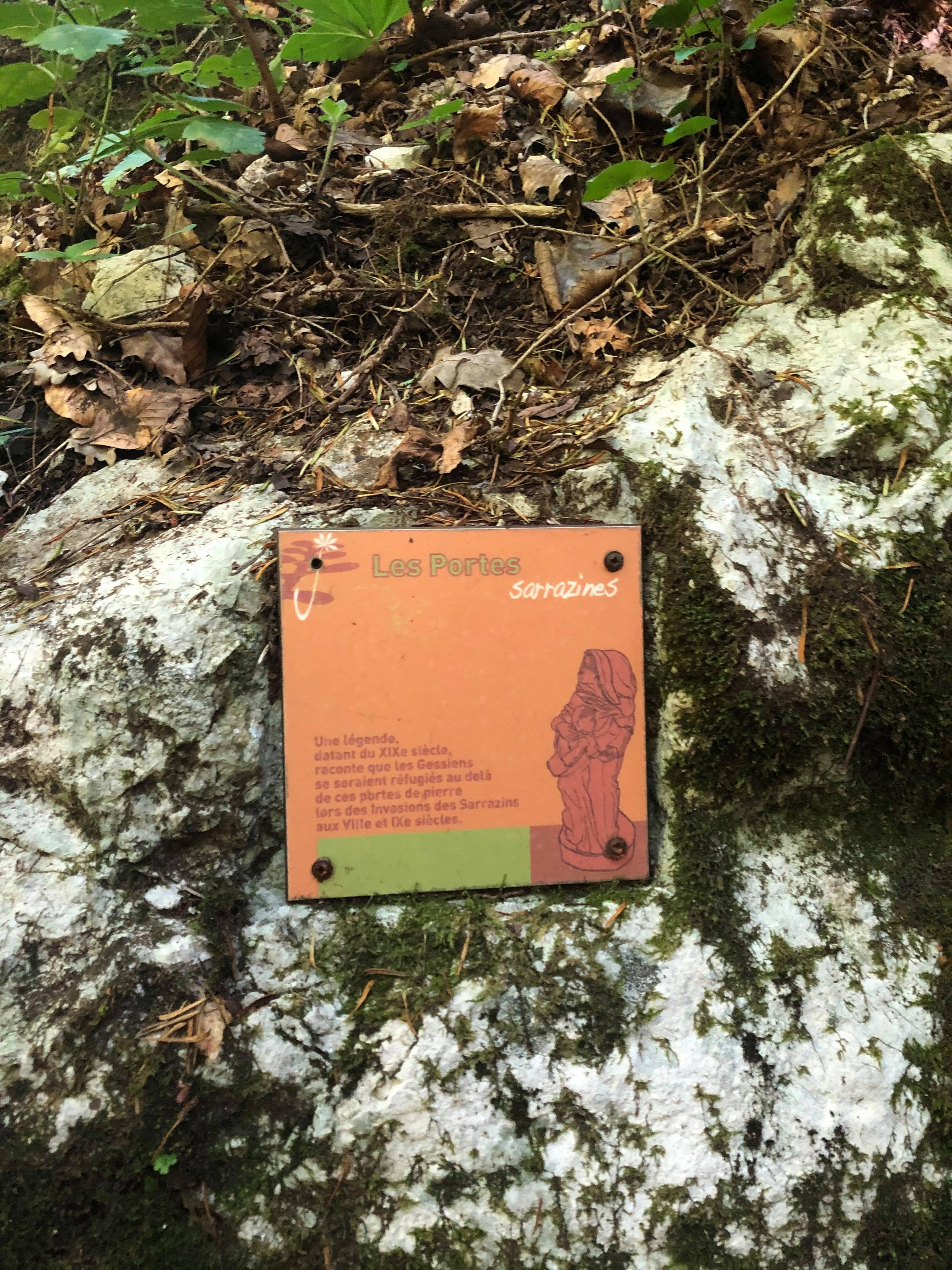
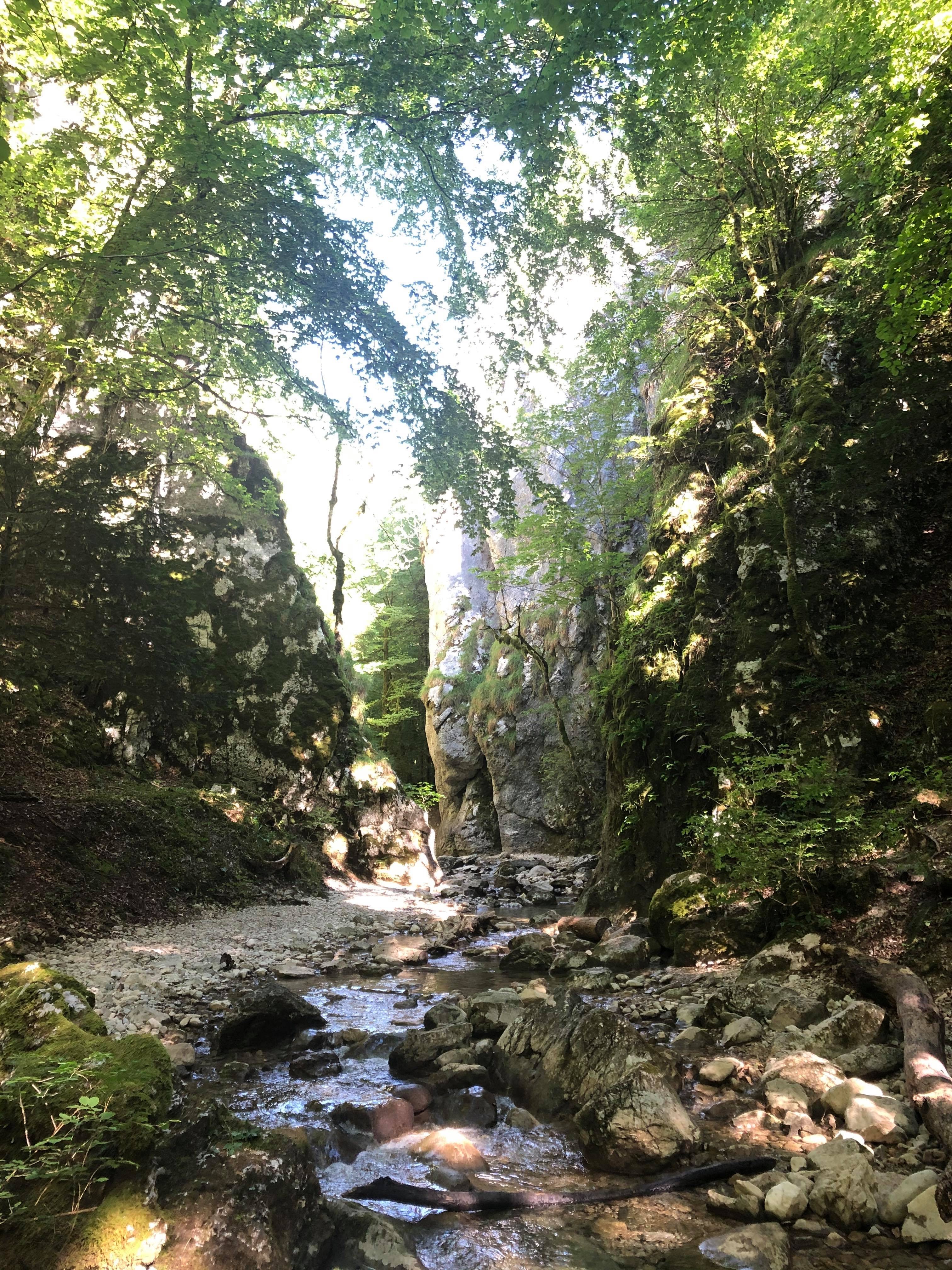
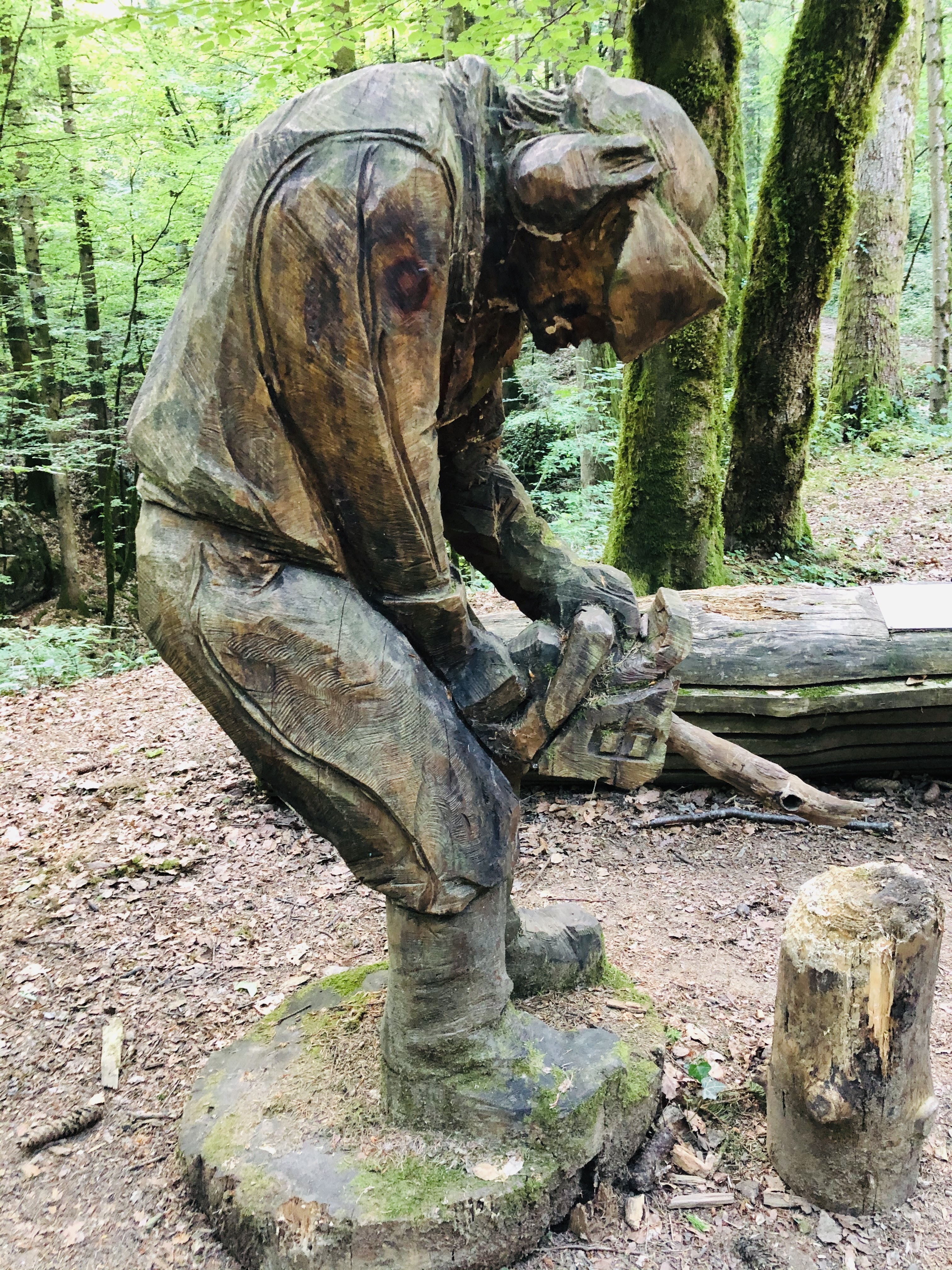
When you reach Creux de l’Envers it is a must to walk down the narrow path to look at the impressive nature and also the wooden sculpture the artist Adrien Meneau has cut out with a chainsaw.

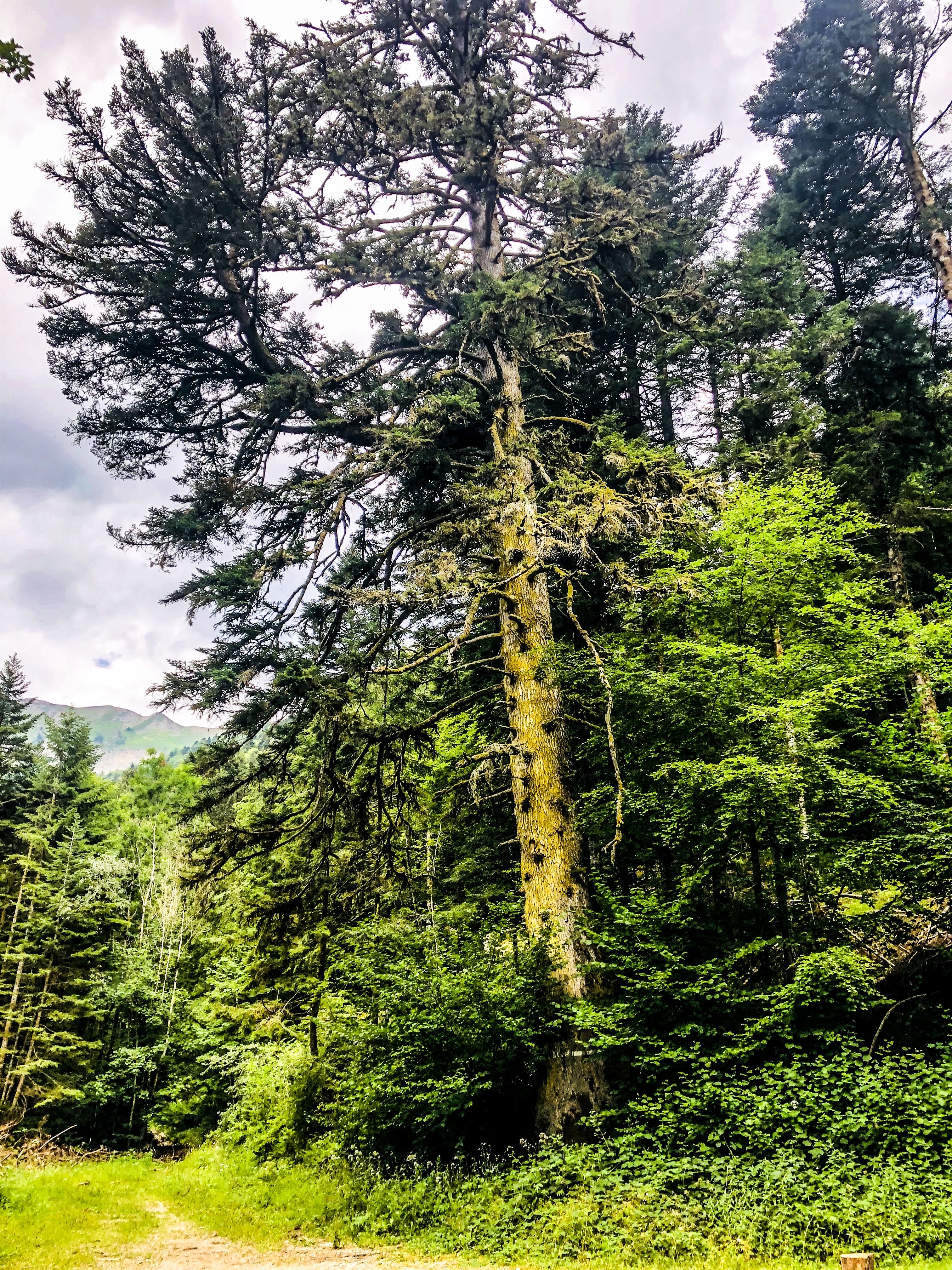
From Creux de l’Envers you can choose to continue walking up to Le Sapin du Sous Préfet. This remarkable tree was measured in 2019 to be 46 meters high and has a diameter of 5,80 meters.
Depending on which way you chose walking up to Creux de l’Envers, you can make it a circular walk, or you can walk back the same way you came up.

Happy walking, and feel free to share!

France: Etang de Cessy – Lake Cessy

Espace de Loisire de Tutegny

Accessible for all and open all year round

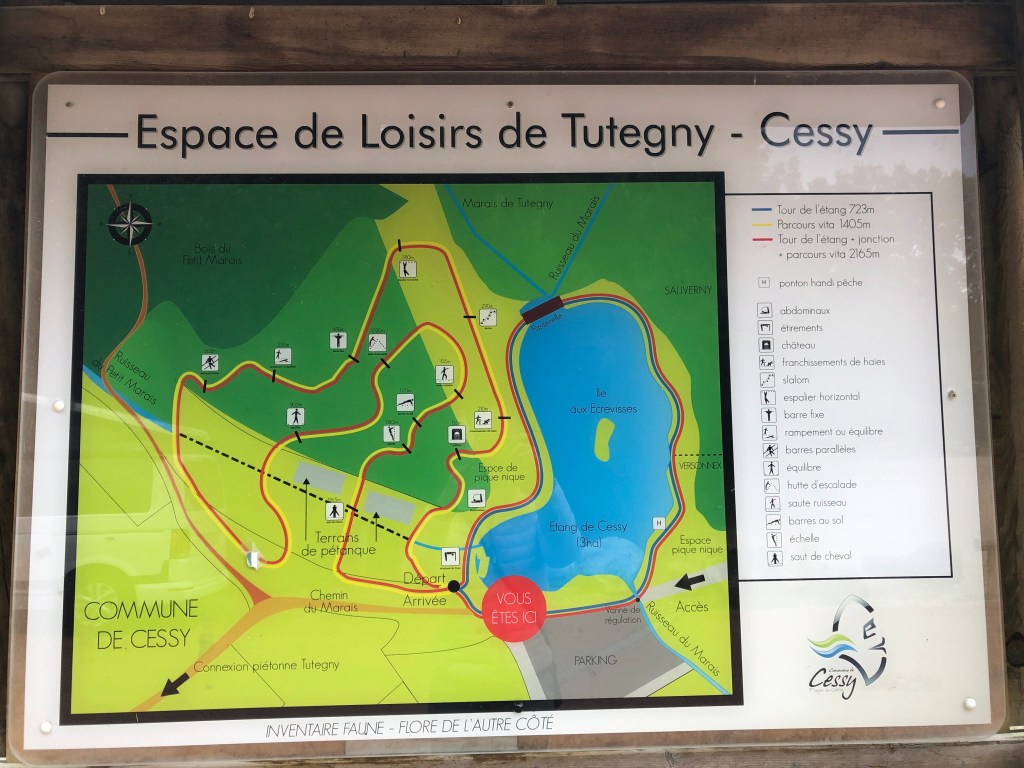
You will find the map on the bottom of this post.

Distance: from 700 m to 2,165 m

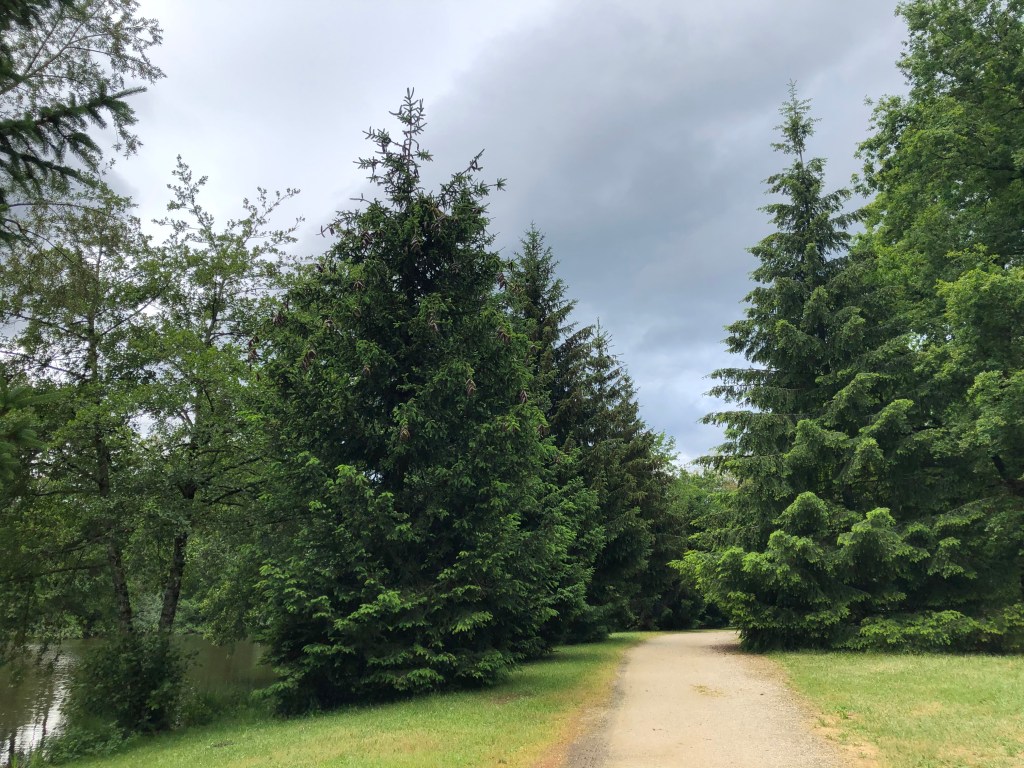
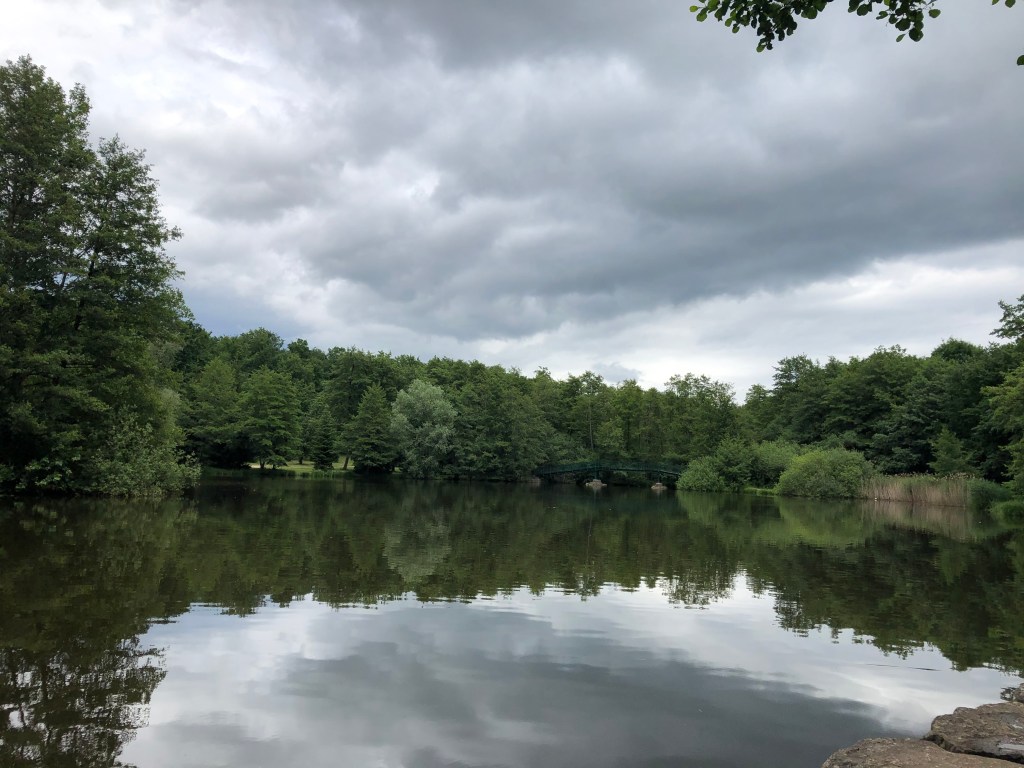
Every time I come here, I’m stunned by how beautiful and well maintained this little lake is. It’s clear that many people treasure this little hidden gem of our region.

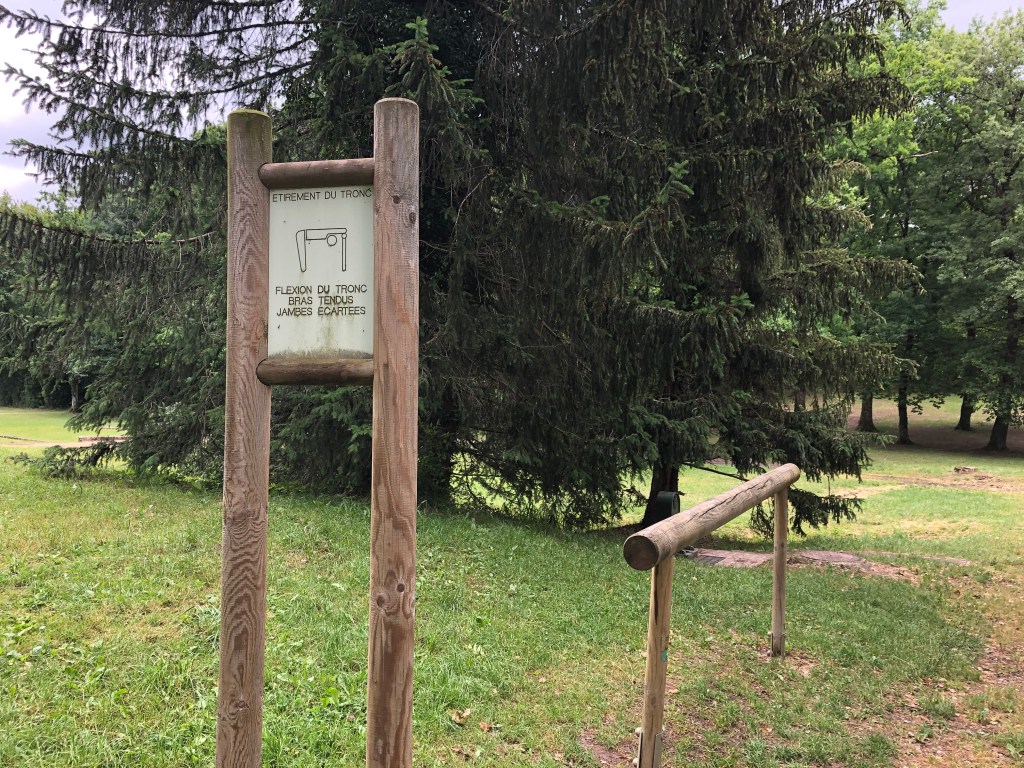
On the little hill behind the lake you will also find paths lined with wooden gym equipment, available for free for everyone.

The commune of Cessy has created a rather big car park and you will find benches, picnic tables and barbeques, making this an ideal outing on a nice summer day. Being in France you will of course also be able to play Petanque on the two lanes created especially for this activity.

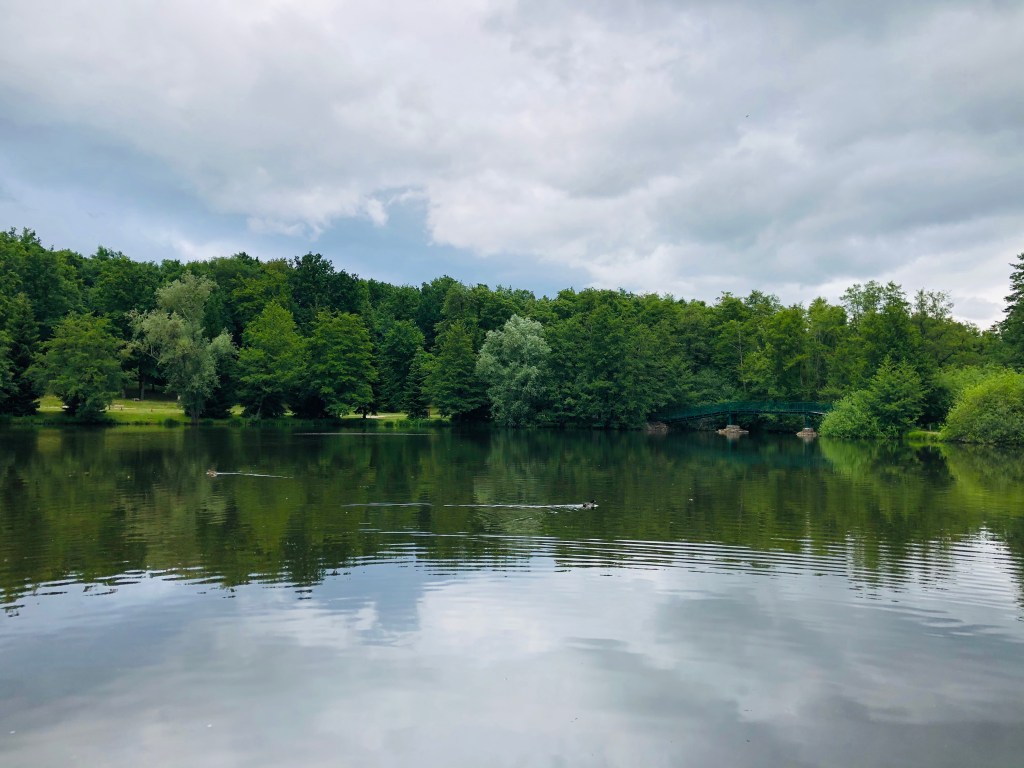
The walk around the small lake is only 700 meters but feels much longer because you will be busy looking at the flowers and bird life.  Being surrounded by the Jura mountains on one side and the Alps on the other is also adding to the beauty of this site.

For small children this is a true paradise with so much to see and do. They will quickly forget complaining about being tired.

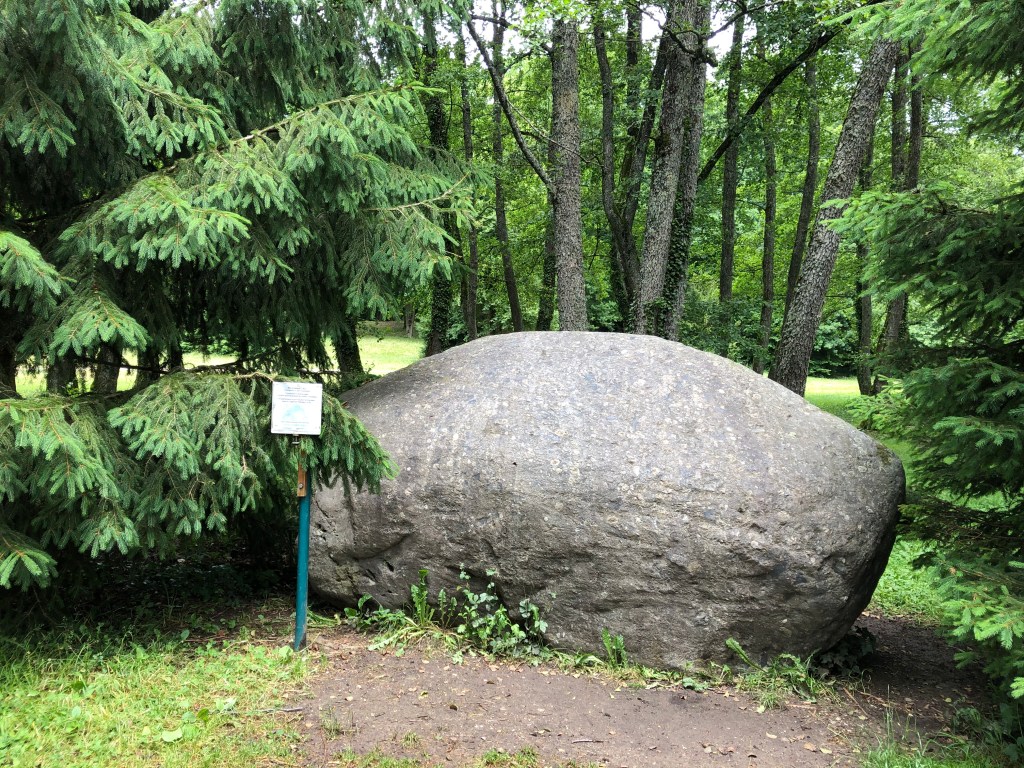
If you look closely you will see several big rocks. These were probably transported here all the way from Martigny in Switzerland by the ice thousands of years ago, when glaciers ruled this part of Europe.

If you think walking 700 meters is not enough, you should stroll up the little hill and make use of the sports equipment you find along the route.

Finally, if you have purchased a fishing licence (www.cartedepeche.fr), you could try catching a carpe, pike or any of the other species found in the lake.

Happy walking, and feel free to share!
France: Walking from Fort l’Ecluse to Leaz – La vierge de Leaz

Features: Forest – river – ruins – history – panorama view

Overview: Accessible for all, but be prepared for a couple of steep uphill climbs

Time: around 2,5-3 hours               Km: 8,5

You will find the map for this walk at the end of this post.

Description: This walk starts from the parking atFort l’Ecluse. The exit for the parking is right after the tunnel if you are coming from the Pays the Gex region; make sure to start braking before you exit the tunnel as it is very easy to miss (speaking from my own experience here).

The walk is marked with yellow signposts, but I think there must have been a lot of water flowing down the river Rhone lately because for the stretch along the river’s edge it’s not so obvious where to walk. Hopefully the commune of Leaz will fix this, because it is a very beautiful walk that more people should discover.

Follow the signpost that takes you along the Chemin du Lavoux and past a very cute collection of houses and gardens.

When you come to the railway lines, you cross over, turn right and walk through a small underpass. Follow the path until you come to the Moulin the Condière crossing, then follow the small path on your left side that will take you to Leaz-village.

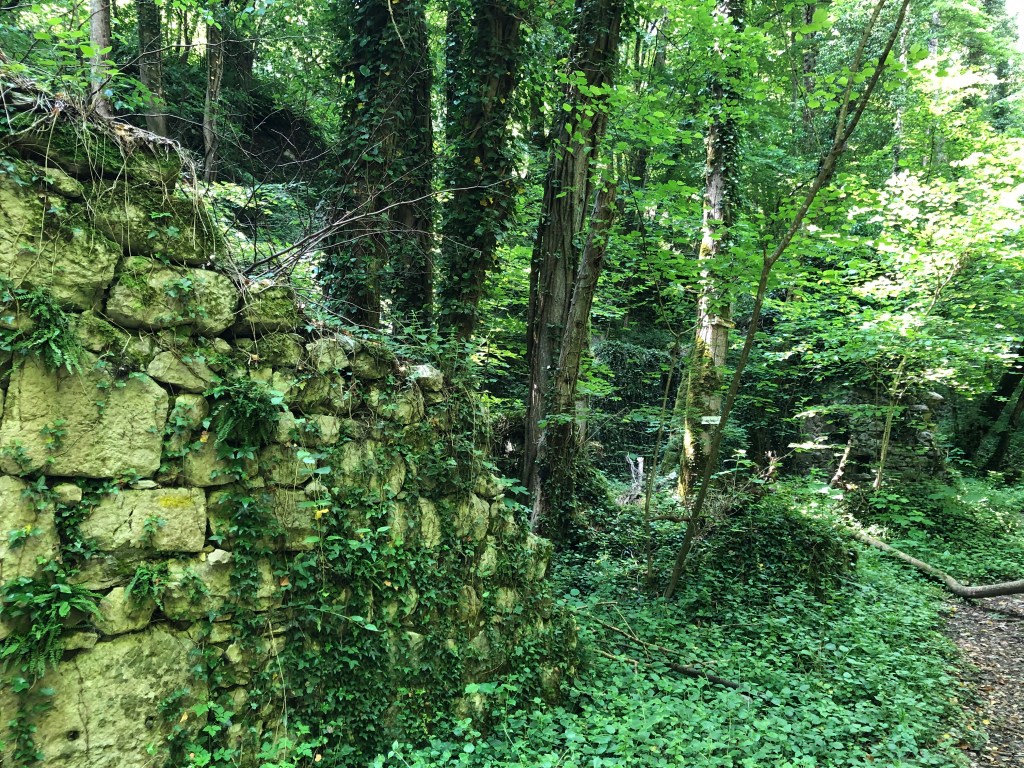
As you walk down along the old stream, you’ll notice something interesting on the right side of the path: you’re passing lots of old ruined houses, some of them barely visible in the overgrowth of bushes and trees. This is a clear sign of milling activity from way back. Try to imagine this as a very lively place back in the days, when many families would have been working and living here.

Les Moulins de Condrière:

The first mills were built in the 14th century, so around 700 years ago. These mills were the main component of a lucrative commercial and economic activity in the region. At the time, the local activities also included of gold panning. The Lord of Leaz built a sawmill and established a ferry service on the Rhone to transport the goods. This being along the travel route from Geneva to Lyon, the Lord of Leaz also built an inn to provide travellers a bed and time to rest their feet.

Follow the path until you come to the stream named le Rochefort. Normally there should be a small bridge to take you across. However, as mentioned, there must have been a lot of water in the area this year, because the bridge is gone. Hopefully, the commune will replace it soon. For now you’ll have to jump across on the rocks, which is luckily not too difficult.

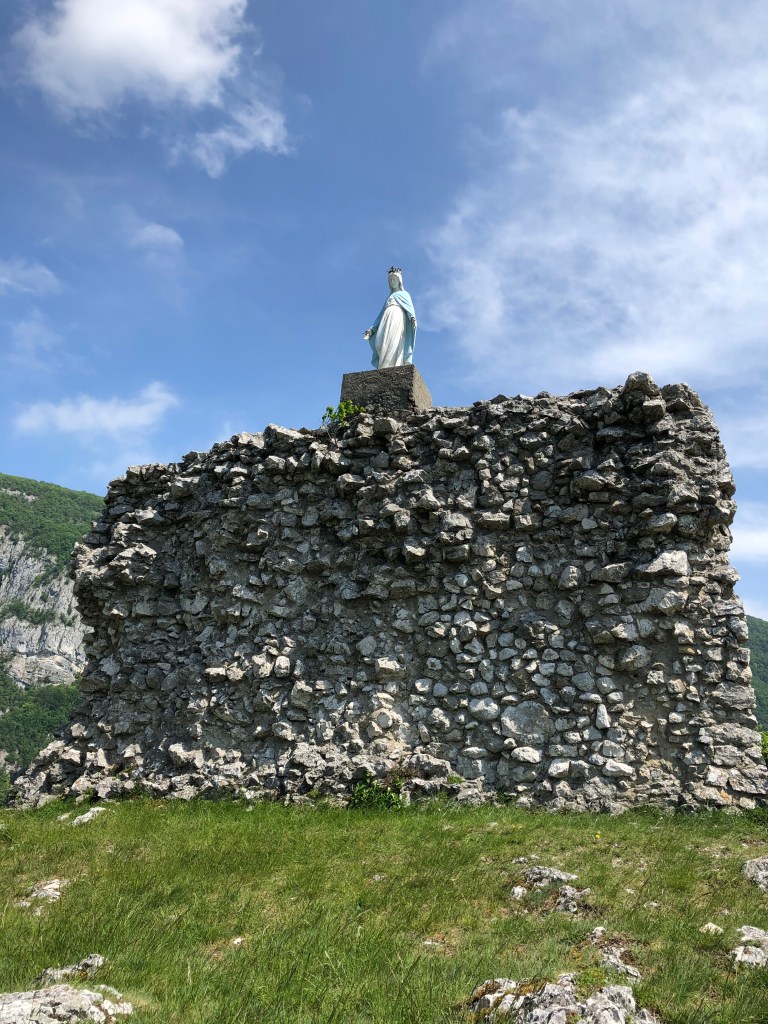
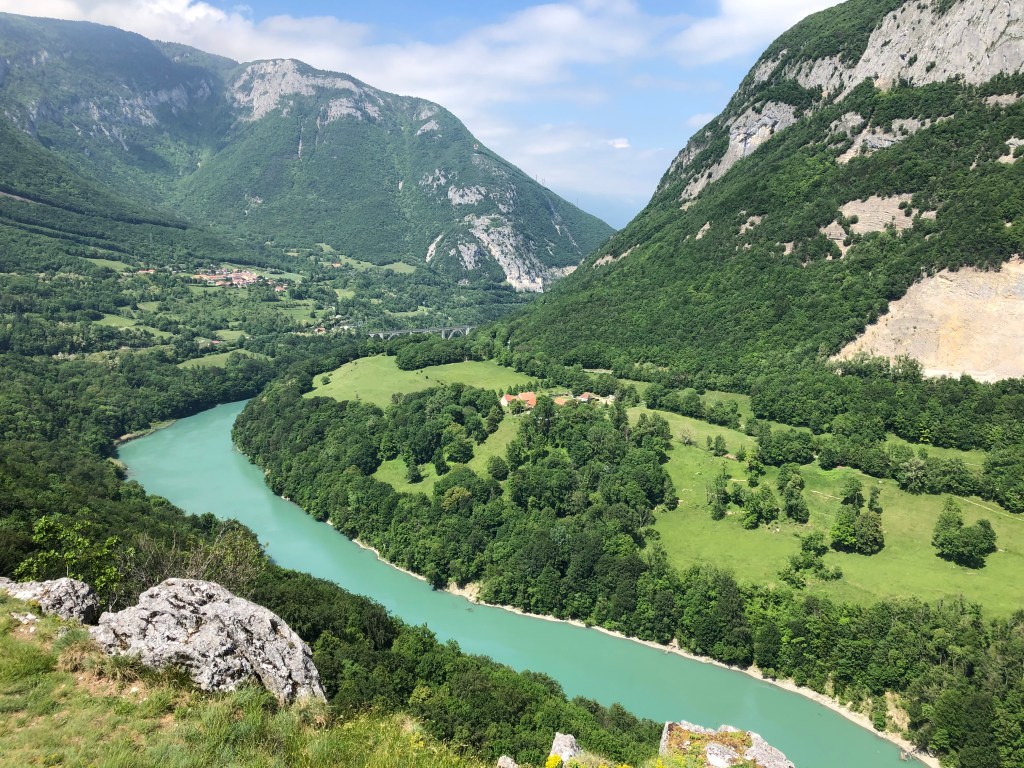
Once over the stream, walk up until you find two paths. Both will take you to Leaz. I chose the one on the left which took me along the Rhone and below the belvedere. Stay on this path until you meet a road and walk up to the village of Leaz. The village is very charming, so take some minutes to explore before you follow the signposts towards the belvedere and the Vierge de Leaz.

Castle ruin:

In the 19th century, an inscription found in the ruins show that the site on the hill has been occupied since Roman times.

In the 12th century it was property of the Priory of Payerne (Vaud, Switzerland).

In the 13th century, Leaz, thanks to the Baron of Gex Simon de Joinville and his wife became a market town. This basically meant that the Baron of Gex could legally claim half of the profits made by the hard-working millers and any other prosperous activity.

This economic prosperity continued into the 14th century.

The religious wars in the 16th century and the annexation of Pays de Gex by France in 1601 destroyed the castle and must have changed the life for everyone living in the houses just below the belvedere summit. If you look closely you can see traces of the ancient houses on the slopes of the hill.

Legend of saint Victoire:

Victoire was a teenage girl who looked after a herd of goats on the peaks of the Vuache mountain. One day she heard a voice telling her to build a chapel (this apparently happened a lot back in those days). She then erected a chapel on the western tip of the Vuache and founded a small religious community.

The years passed in peace and meditation until groups of Saracens (which was the term used in the middle ages to refer to Arab Muslims) went up the Rhone valley to raid and plunder the villages near the river (another popular activity back in those days).

Hoping to find valuables, the plunderers climbed the mountain. Victoire, who had been able to shelter her nuns, suddenly finds herself surrounded by the Saracens. When cornered at the edge of a cliff overlooking the Rhone, she prefers to throw herself into the void rather than to fall into the hands of the invading Saracens. But, according to legend, God could not ignore such a faithful servant, and an invisible hand seized Victoire as she was about to crash to the ground and carried her across the river to the rock in Leaz. Victoire was then sheltered by the residents of Leaz and would later return back to the other side of the Rhone to rebuild her chapel.

After taking in the history and the beautiful view of the Rhone, you continue the circuit. Keep to your right after the parking when coming down from the belvedere and take the first path you see on your righthand side. This will take you back to the stream Rochefort.  After the stream you also have the option between two paths. You can choose to pass the Moulins de Condrière again or take the upper path. They will both take you back to your starting point and the parking at Fort l’Ecluse.

Happy walking, and feel free to share!
France: Discovering Bois Chatton

Features: Forest – horses – 1970’s architecture

Overview: Accessible for all

Time: around 1 hours    Km: 3,5 km

Description: This is the perfect walk to do with small children, because it is not too long and there is enough to see and explore to keep them entertained.

I parked my car at the entrance of the quartier near the school. See map below if you do not know the area very well.

The residential area of Bois Chatton was built in 1973 and it consist of 225 houses.  If you look closely, all the houses must have looked more or less identical when new, but the residents have individualized them over the years.  It is actually a very charming residential area built like a labyrinth with a communal area/playground in the middle.

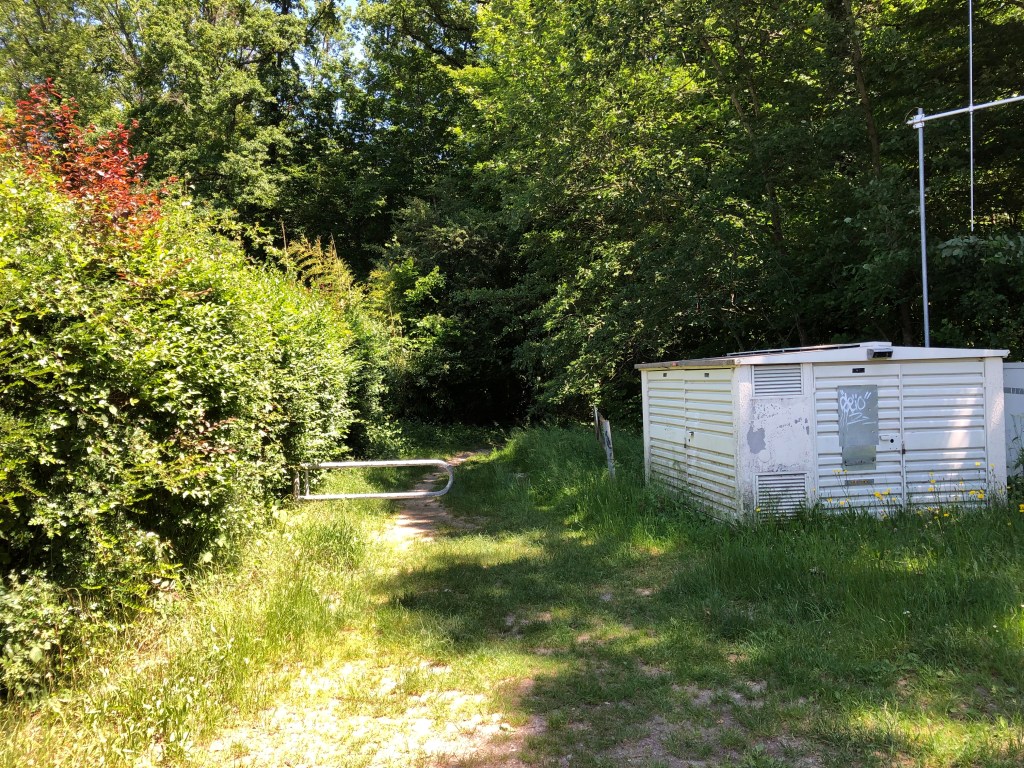
The entrance to the forest is where Rue Turet and rue Versoix meet.

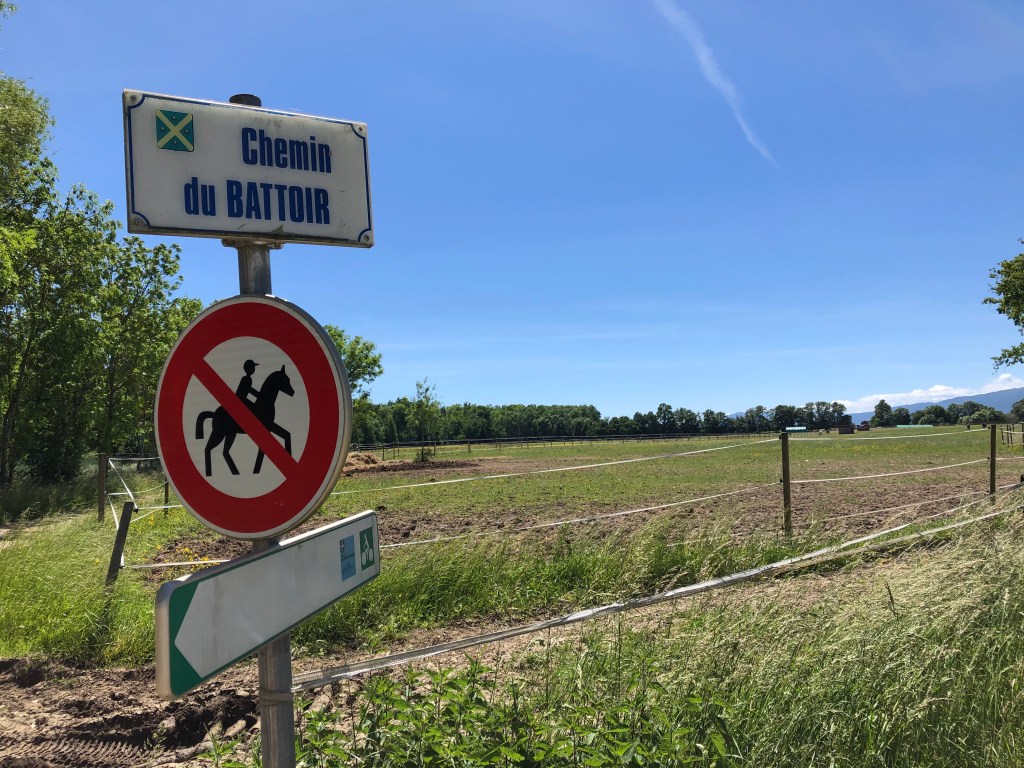
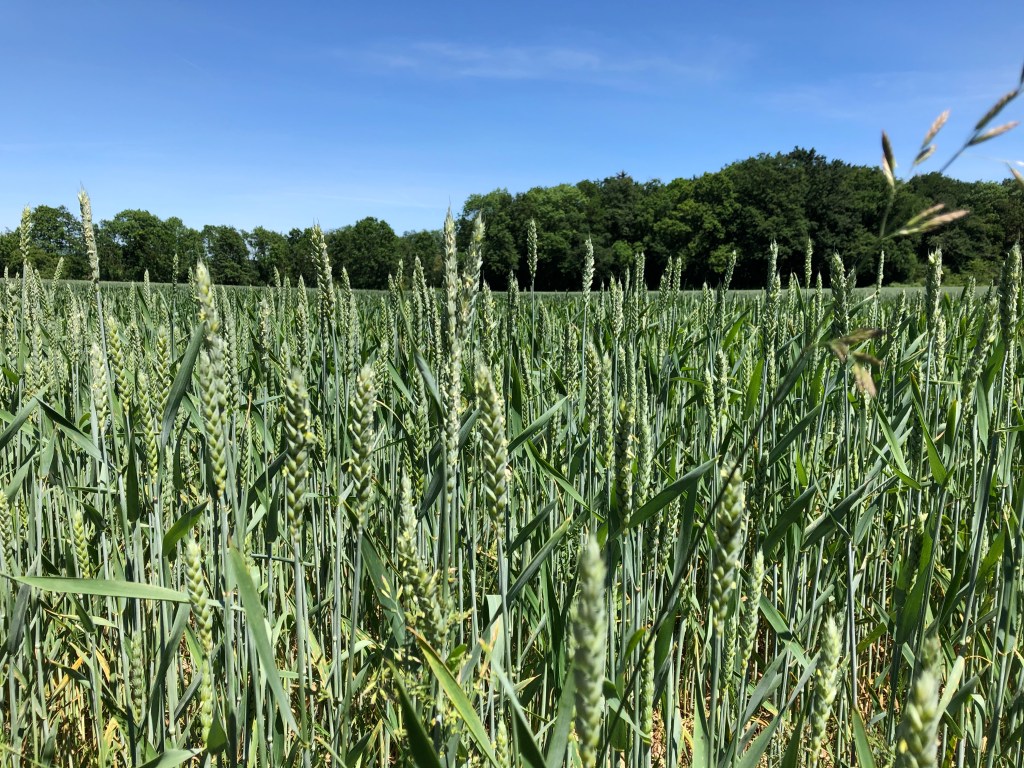
Follow the trail into the forest until you come to a crossing with a wide path, then take left.  Follow this path across the fields until you come to a new crossing and spot the sign that says Chemin Battoir.

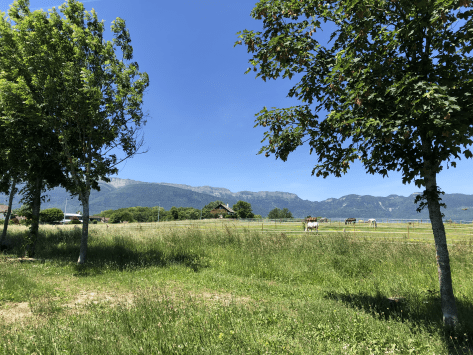
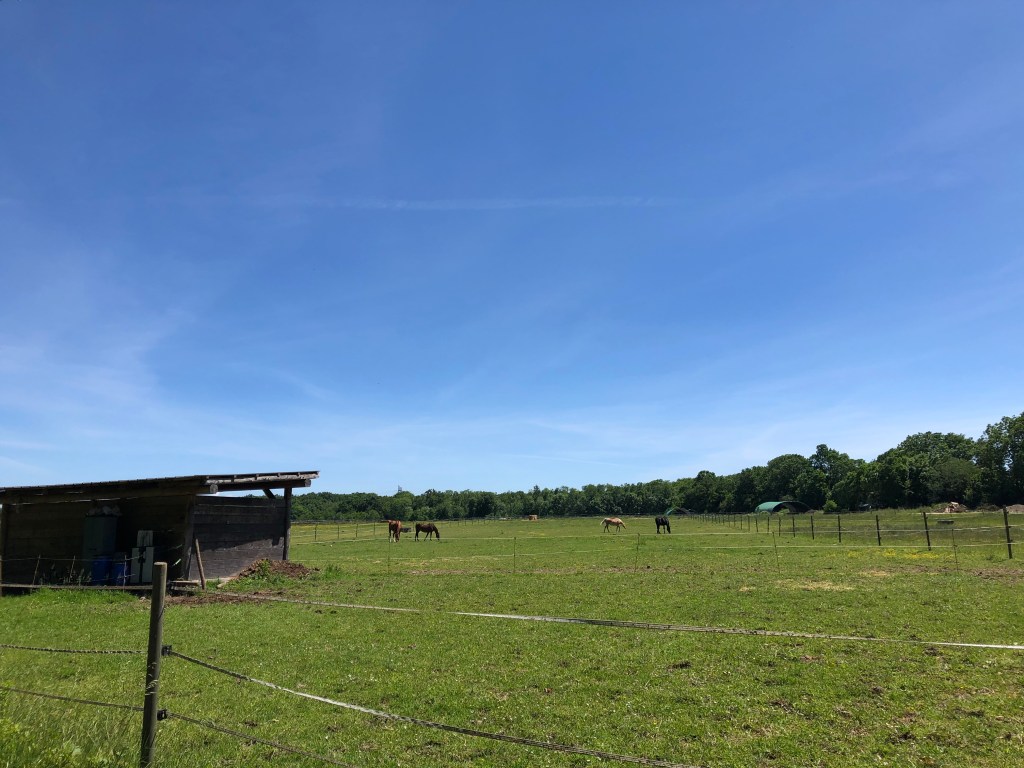
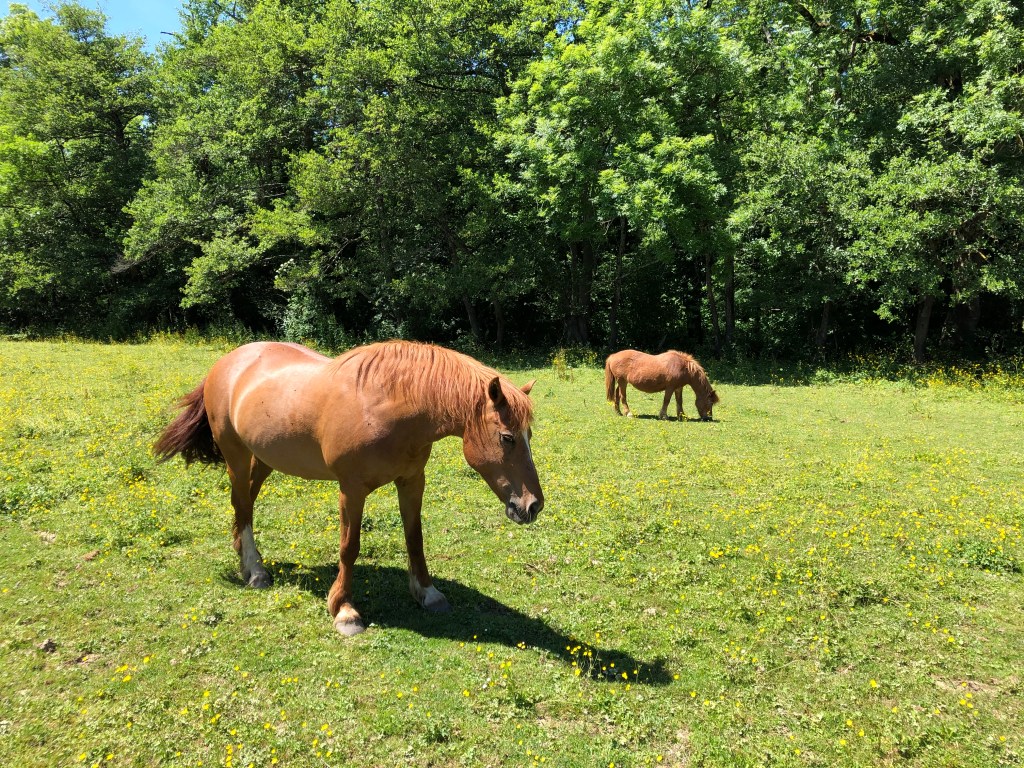
You will now walk along a small stream, La Lillette, where you can see the horses from Bellevue stables. There are benches and picnic tables along this path, so why not bring your lunch or snack and enjoy an outdoors meal?

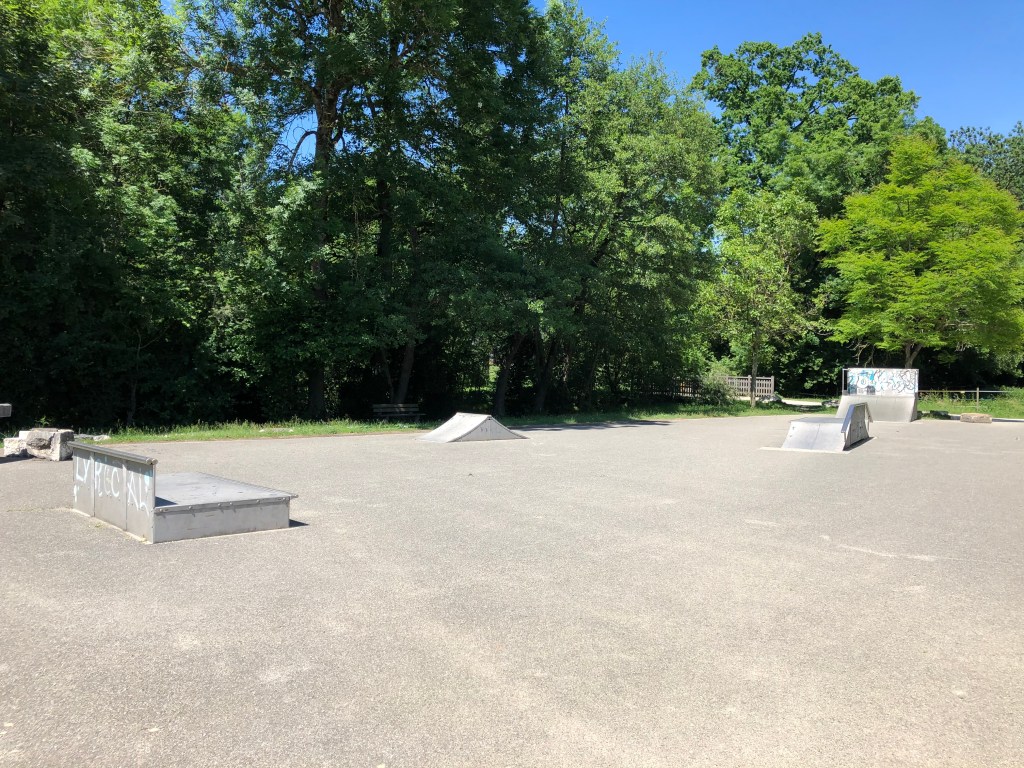
Next to the stable, there’s even a skate park.

Follow the path back to the entrance to the residence, where you started the walk.

Happy walking, and feel free to share!